Super clone watch quality is best judged through consistency: the specifications should match the exact model, the exterior should be clean and well aligned, the movement should operate as described, and the individual watch should pass a practical inspection before regular use.
This guide turns those ideas into a 100-point evaluation system. It is designed for comparing two versions of the same watch, reviewing product information before ordering and checking the delivered piece without relying on price, factory name or close-up photographs alone.
Model, Version and Individual Watch
The size, shape, dial layout and functions you actually want to wear.
The movement, materials, dimensions and construction belonging to that listing.
The alignment, condition, operation and fit of the exact watch prepared for delivery.
A strong factory reputation cannot correct the wrong model choice, and an impressive model description cannot replace inspection of the individual piece. Evaluate all three layers in that order.
The 100-Point Super Clone Watch Quality Scorecard
The weighting below reflects ownership value rather than visual resemblance alone. A beautiful dial cannot compensate for unreliable operation, while a dependable movement does not excuse a loose clasp or visibly misaligned exterior. Use the same scoring method when comparing two versions.
| Quality area | Points | What earns the score |
|---|---|---|
| Specification accuracy | 10 | Received model, size, color, material and movement agree with the written order. |
| Case and finishing | 12 | Balanced geometry, clean transitions, controlled brushing and polishing, no sharp unfinished edges. |
| Dial and hands | 12 | Clear printing, aligned markers, clean hands, balanced date window and consistent luminous application where listed. |
| Movement and operation | 18 | Stable running, normal crown feel and correct operation of the functions promised for the exact movement. |
| Bracelet, strap and clasp | 10 | Secure attachment, comfortable articulation, clean edges and a clasp that closes consistently. |
| Bezel, crown and pushers | 8 | Controls align, engage and return without sticking, scraping or excessive play. |
| Crystal and alignment | 8 | Clear viewing, clean installation and correct visual relationship among crystal, bezel, dial and date magnification where applicable. |
| Comfort and proportions | 7 | Case sits securely, crown does not dig into the wrist and weight is appropriate for the intended style. |
| Water-resistance evidence | 5 | The individual watch has an appropriate current test when water use is part of the buyer’s requirements. |
| Individual-piece QC | 10 | Identity, visible condition and basic listed functions are reviewed on the actual piece. |
| Total | 100 | Use the score for consistent comparison, not as official certification. |
1. Confirm the Product Identity First
Quality evaluation begins with receiving what was described. Match the model, case finish, dial color, bracelet or strap, dimensions, movement and functions against the written product page or order confirmation. A different version may still look attractive, but it cannot receive full marks if it is not the version selected.
Factory labels and phrases such as “Swiss movement,” “904L steel” or “1:1” are not complete specifications by themselves. The super clone factory guide explains how market labels should be connected to an exact model and version rather than treated as universal quality grades.
2. Evaluate Case Shape and Surface Finishing
Hold the watch at normal viewing distance before using magnification. The overall silhouette should appear balanced from the front, side and lug ends. Look for a centered caseback, consistent gaps around the bezel and a crown that sits correctly relative to the case.
Brushed areas should follow one controlled direction. Polished surfaces should appear even without obvious waves, cloudy patches or compound trapped around edges. Where brushing meets polishing, the transition should be deliberate. Extremely sharp bracelet or clasp edges reduce comfort even when the photographs look impressive.
Weight is not proof of material quality. A well-proportioned steel watch may feel reassuringly solid, while titanium and composite designs are intentionally lighter. Use the watch materials guide to compare steel, titanium, ceramic and composite directions without treating heaviness as a quality shortcut.
3. Inspect the Dial, Hands and Date Display
The dial contains many small alignment points, so inconsistency becomes visible quickly. Examine the watch straight on under soft neutral light. Check hour-marker spacing, logo and text alignment, the relationship among hands and indices, and whether the date sits comfortably inside its window.
Printing should remain legible and consistent at ordinary viewing distance. Magnification is helpful for identifying dust, fibers or damaged paint, but extreme macro photography can make harmless surface texture look more serious than it appears on the wrist. Score defects according to visibility and ownership impact.
For luminous models, compare the markers and hands in similar lighting after equal exposure. Color and brightness may vary by design, but major missing areas or one obviously weak marker can indicate inconsistent application.
4. Judge Movement Quality by Operation
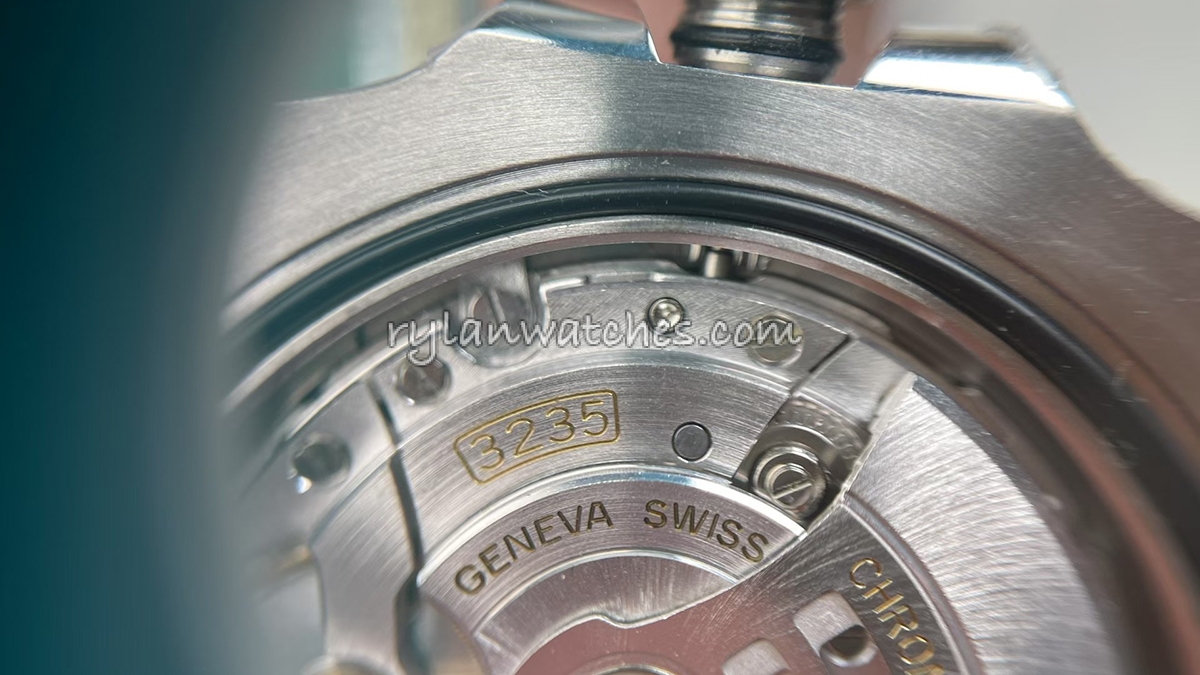
A decorated rotor or bridge can improve visual resemblance through a display back, but movement quality is demonstrated by operation. Check how the watch starts, winds, sets and changes date; confirm the promised chronograph, GMT or calendar behavior; and observe timekeeping over several days under normal use.
The crown should move through its positions clearly without requiring excessive force. Hands should set predictably, and a date display should complete its change without becoming trapped between dates. Rotor sound alone does not diagnose a problem: movement construction, case acoustics and wrist motion all affect what the owner hears.
Movement choice also affects future service. A complex visual copy may prioritize appearance, while a more conventional caliber may be easier for an independent watchmaker to understand. Review the replica watch movement comparison and the super clone service guide for the ownership trade-offs.
5. Check Bracelet, Strap and Clasp Quality
These components determine daily comfort and also keep the watch attached to the wrist. Move the bracelet slowly and compare the articulation of adjacent links. Check screws or pins, end-link fit, spring-bar seating and whether the clasp closes with consistent engagement.
A small amount of construction-dependent movement is normal, but one loose link, a partially seated spring bar or a clasp that opens unexpectedly is a functional issue. On rubber or leather, examine the connection at the case, buckle alignment, hole condition and whether the strap length matches the wrist.
Integrated-bracelet models deserve extra attention at the first links because their fit controls how the whole watch follows the wrist. A beautiful case that sits above the wrist due to rigid end links may be less satisfying than a slightly simpler design that fits correctly.
6. Test the Crystal, Bezel, Crown and Pushers
View the crystal from several angles and look for distortion that belongs to the design rather than accidental installation. Check that a cyclops or other magnifying element is positioned correctly where present. The crystal should be cleanly seated without visible debris at the edge.
A rotating bezel should have behavior appropriate to the watch: a dive-style bezel normally differs from a bidirectional GMT-style bezel. Judge alignment, action and play against the listed model, not one universal click count. Crowns and pushers should sit evenly and operate without scraping the case.
7. Treat Water Resistance as a Tested Feature
Dive-watch appearance, a screw-down crown and a printed depth rating do not prove the current resistance of an individual assembled watch. If swimming or regular water exposure is required, an appropriate pressure test on that piece is the meaningful evidence.
Without a current test, keep the watch away from immersion, showers, steam and hot water. Water-resistance testing also becomes relevant after the case has been opened or a hard impact changes the crown, crystal or caseback. The maintenance article on cleaning and water precautions gives a cautious routine for untested watches.
Quality Priorities Change with the Watch Type
Prioritize bezel alignment and action, crown behavior, bracelet security, legibility and individual water testing when required.
Prioritize case thickness, pusher feel, subdial alignment and the correct start-stop-reset sequence of the installed movement.
Prioritize bezel type, additional-hand alignment, date behavior and how the local or GMT hand adjusts.
Prioritize case-to-bracelet transition, first-link articulation, taper, clasp position and wrist fit.
Prioritize proportion, dial cleanliness, thinness, quiet operation and strap quality.
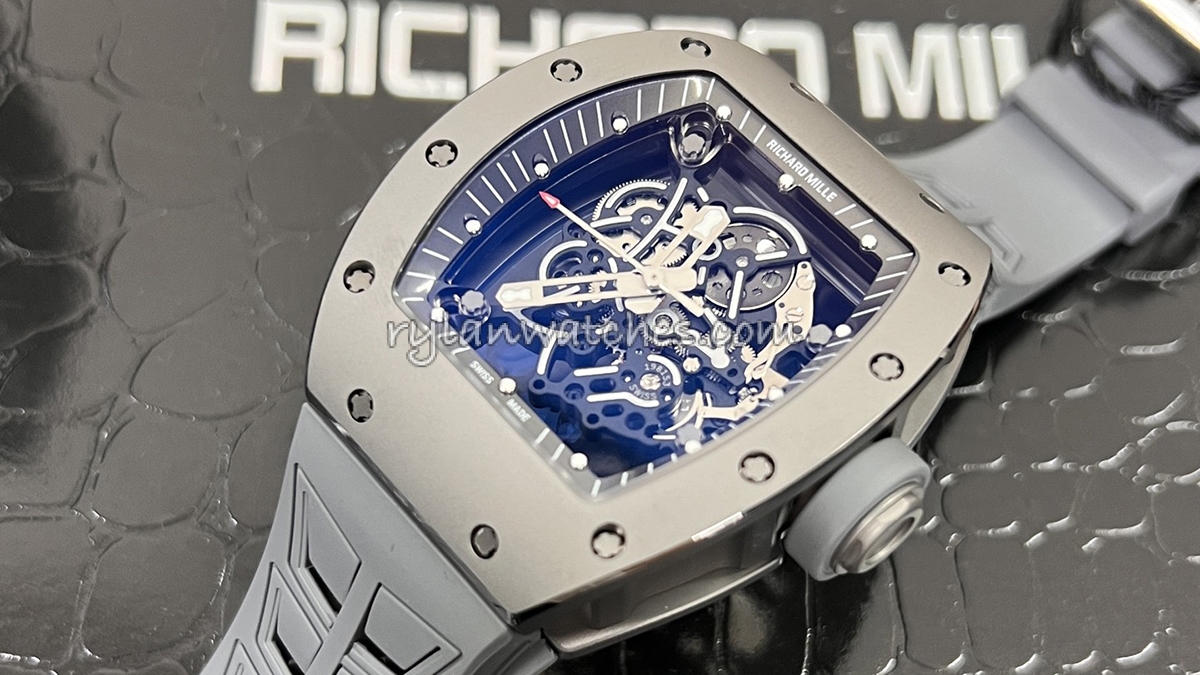
Prioritize visual depth, bridge and screw finishing, crystal clarity, case layering and the distinction between decorative and working components.
This model-specific approach prevents one popular factory or movement from being labeled “best” for unrelated designs. It also helps the buyer spend attention on the details that affect the actual ownership experience.
Pre-Purchase Review vs After-Delivery Inspection
Before ordering, compare the exact model, version, movement, dimensions, materials, functions, price and terms. Product photographs show design and finish direction, but they cannot confirm every aspect of the piece that will be delivered.
When individual-piece inspection evidence is available, use it to confirm identity, visible alignment, external condition and basic operation. The replica watch QC guide provides the detailed pre-shipping sequence. QC is not a factory ranking; it is the final check on one watch.
After delivery, inspect the package and watch within the applicable return period. Confirm the order first, then check exterior condition, bracelet security, winding and setting, date or complication behavior and several days of normal timekeeping. Avoid water testing at home unless you have appropriate equipment and training.
Super Clone Watch Quality Red Flags
- The factory name replaces the specification: the listing does not identify movement, dimensions, materials or working functions.
- Only extreme close-ups are shown: there is no clear front, side, caseback or wrist view to judge proportion.
- Weight is used as proof: heaviness is presented as a substitute for material or construction information.
- Every visible function is assumed to work: decorative displays are not distinguished from operational complications.
- Waterproof is promised without a test: the rating is treated as permanent evidence for every individual watch.
- One version is “perfect”: no differences, trade-offs or model-specific priorities are acknowledged.
- Packaging is treated as authentication: cards, stickers or boxes replace evaluation of the watch itself.
- No written product identity: important specifications disappear once the order has been placed.
How to Compare Two Watches Objectively
- Confirm that both listings represent the same reference-inspired model and configuration.
- Record movement, dimensions, materials, functions, bracelet or strap and current version.
- Score both watches with the same 100-point categories.
- Give extra attention to the design-specific priorities for a diver, chronograph, GMT, dress, integrated-bracelet or skeleton watch.
- Separate observations from preferences: “the case is thinner” is measurable; “the dial is more attractive” is personal.
- Review the exact individual piece before dispatch when that evidence is available.
- Choose the version with the stronger complete ownership profile, not simply the highest visual resemblance in one photograph.
The super clone versus replica guide explains the market terminology, while the complete buying guide covers seller, payment, shipping and post-delivery steps.
Super Clone Watch Quality FAQ
What determines super clone watch quality?
Quality comes from accurate product identity, case and dial execution, movement operation, bracelet or strap security, controls, comfort, tested features and inspection of the individual watch. No single factory name or material claim can replace the complete evaluation.
Does a higher price always mean better quality?
No. Price can reflect movement complexity, material direction, seller service or market positioning, but it does not prove alignment, reliability or individual-piece condition. Compare the same model and specifications using consistent criteria.
Is a clone movement always better than a standard movement?
No. A visually similar movement may improve appearance through a display back, while a conventional movement may offer different service or reliability advantages. The better choice depends on the model and ownership priorities.
Can photographs prove watch quality?
Photographs can show design, alignment and visible condition, but they cannot fully establish timekeeping, power reserve, crown feel, water resistance or long-term reliability. Combine images with specifications, functional review and delivered-watch inspection.
Does 904L steel guarantee a high-quality watch?
No. Material choice is only one factor. Case geometry, machining, finishing, bracelet construction, movement installation and quality control still determine the result.
How should water resistance be evaluated?
Use an appropriate current pressure test on the individual watch when water use is required. Do not infer resistance from the model name, screw-down crown, factory label or printed depth rating alone.
Why can two watches from the same version differ?
Assembly, alignment, regulation and handling can vary between individual pieces. That is why version selection and individual-piece QC are separate stages.
Final Standard: Consistency Across the Whole Watch
The clearest sign of strong super clone watch quality is not one impressive feature. It is consistency across the model identity, case, dial, movement, bracelet or strap, controls, comfort and individual-piece condition. A balanced watch that performs well in every category is a stronger choice than one built around a single marketing claim.
Start with the super clone watch brand directory, select the design you want and then apply this scorecard to the current collection and product information.
Trademark notice: Replica products are independently produced and are not manufactured, authorized or endorsed by the original watch brands. Brand and model names belong to their respective owners.