Learning how to service a super clone watch begins with identifying the movement, diagnosing the symptom and finding an independent watchmaker who agrees to work on that specific calibre. A full mechanical overhaul is only one type of service. Regulation, gasket replacement, pressure testing, bracelet repair or a complete movement replacement may be more appropriate depending on the problem.
Replica watches do not share one standardized movement or parts system. Two watches with similar external designs may require different tools, components and repair strategies. Start with the exact product information and never assume that genuine-brand parts or service procedures are compatible.
BROWSE CURRENT WATCH COLLECTIONS
How to Service a Super Clone Watch: The Safe Process
| Step | What to do | Why it matters |
|---|---|---|
| 1. Record the symptom | Note when the issue began, how the watch was used and whether it experienced impact or moisture | Clear information helps separate regulation, damage and routine maintenance |
| 2. Identify the movement | Use the order record, product page or seller confirmation | Parts and serviceability depend on the exact calibre |
| 3. Contact an independent watchmaker | Disclose that it is a replica and ask whether the workshop accepts the movement | It prevents wasted appointments and mismatched expectations |
| 4. Authorize diagnosis first | Request findings, parts availability, repair options and an estimate | The best solution may be adjustment, repair or movement replacement |
| 5. Test after service | Check timekeeping, winding, date change, functions and water resistance when applicable | A completed repair should be verified before regular wear resumes |
Signs Your Watch Needs Attention
Mechanical watches can show small variations without requiring a full overhaul. Sudden or persistent changes are more useful indicators than one isolated observation. Stop using the watch and seek professional help when you notice any of the following:
- The watch stops despite normal winding or wrist movement.
- Power reserve becomes noticeably shorter than its previous behavior.
- Timekeeping changes sharply or varies widely between days.
- The crown becomes gritty, unusually tight or difficult to engage.
- The date, GMT hand, chronograph or another function fails to operate normally.
- The rotor becomes unusually loud or appears to scrape.
- Condensation or moisture appears beneath the crystal.
- The watch suffered a hard impact or the crown, crystal or caseback was damaged.
Moisture is urgent. Stop operating the crown and pushers, keep the watch away from heat and arrange professional inspection promptly. Rice, a hair dryer or direct sunlight can delay proper treatment and may cause additional damage.
What a Watch Service May Include
Diagnosis and Timing Check
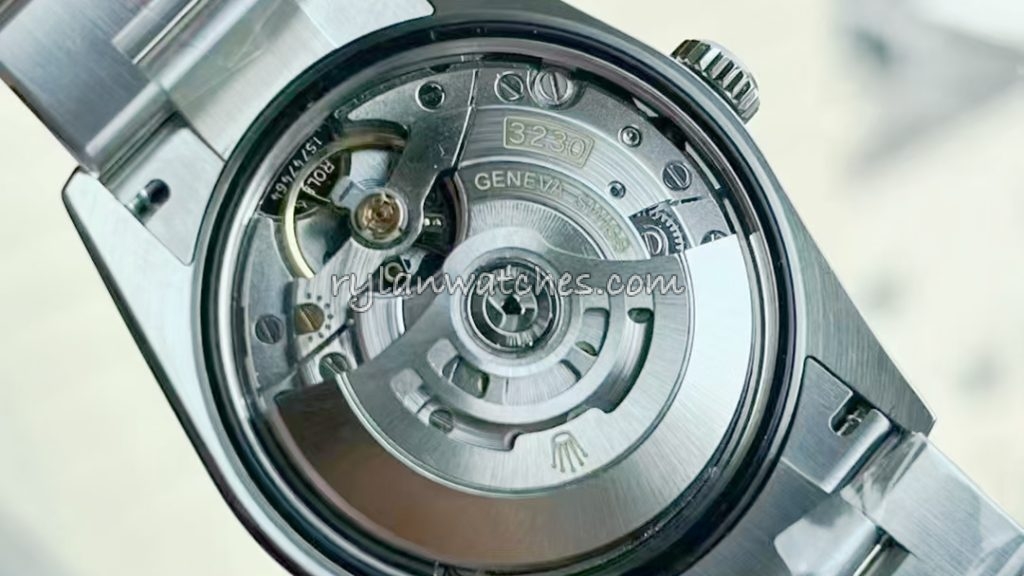
A watchmaker can inspect winding, amplitude, beat behavior and timekeeping in different positions. The result helps determine whether simple regulation is reasonable or whether dirt, damage, magnetism, lubrication or worn parts need further investigation.
Movement Service
A full mechanical service generally involves disassembly, cleaning, inspection, lubrication, reassembly and functional testing. The watchmaker must first confirm that the movement is suitable for service and that required parts can be sourced. Decorative clone movements and modified layouts may be less predictable than common independent calibres.
Gaskets and Water-Resistance Testing
Opening the case can disturb the existing seal. Gaskets may need inspection or replacement, followed by a pressure test appropriate to the case and workshop equipment. Never assume the watch is safe for swimming because of an engraving, product category or previous rating.
Case, Bracelet and Clasp Work
Loose screws, worn spring bars, damaged links and clasp problems can often be handled separately from the movement. Refinishing is optional and removes material, so discuss whether scratches should remain before polishing or brushing begins.
Choosing the Right Independent Watchmaker
Contact the workshop before visiting. Some independent watchmakers accept replicas and some do not. Honest disclosure allows the technician to decide whether they have the tools, experience and parts access required for the job.
Ask About Experience
Confirm that the watchmaker has worked with the stated movement or a genuinely compatible base calibre.
Request Written Scope
The estimate should separate diagnosis, labor, replacement parts, pressure testing and optional refinishing.
Set an Approval Limit
Ask the workshop to contact you before additional parts or a replacement movement are authorized.
Do not ask an authorized brand service center to treat the watch as genuine. Replica watches do not qualify for the original manufacturer’s service, parts, warranty or restoration standards.
What Owners Can Safely Do at Home
Home care should remain external and non-invasive unless you are trained and properly equipped. Safe routine actions include wiping the case with a clean microfiber cloth, keeping the crown fully closed, storing the watch dry and operating the winding and setting functions gently.
- Do not open the caseback simply to inspect the movement.
- Do not apply household oil or spray lubricant.
- Do not place the complete watch or bracelet in an ultrasonic cleaner unless components have been safely separated by a professional.
- Do not force a crown, date mechanism, pusher or bezel that resists movement.
- Do not polish plated, coated, carbon or stone-set surfaces without specialist advice.
The replica watch QC guide explains which visual and functional checks should be completed before a new watch enters regular use.
How Often Should a Super Clone Watch Be Serviced?
There is no reliable universal interval. Movement type, assembly, use, storage, moisture exposure and parts condition all affect service needs. A fixed schedule copied from an original luxury brand may not suit an independently produced movement.
Use condition-based care: monitor timekeeping and power reserve, respond to new noises or function changes, and arrange gasket or pressure checks before relying on the watch around water. If a watchmaker completes a service, follow the interval recommended for that exact movement and its measured condition.
Repair the Movement or Replace It?
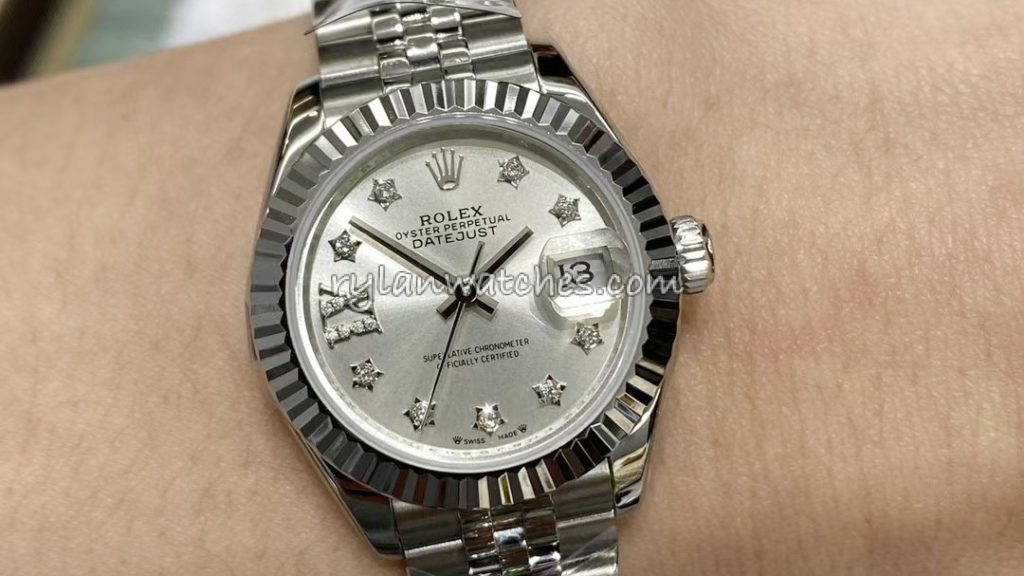
The answer depends on movement design, damage, parts access and the value the watch has to you. A common movement with available parts may justify a conventional service. A severely damaged or non-standard movement may be more practical to replace as a complete unit, provided a compatible replacement exists.
| Consider repair when | Consider movement replacement when |
|---|---|
| The movement is identifiable and parts are available | Multiple critical parts are damaged or unavailable |
| The problem is limited and the estimate is proportionate | A compatible complete movement offers a clearer result |
| The watch has sentimental value or an uncommon configuration | Repair labor would exceed the value you place on the original movement |
Ask for both options when possible. The cheapest immediate repair is not always the best long-term choice, and replacing an entire watch is not automatically necessary when a practical movement repair exists. The article are super clones worth the price? explains how serviceability fits into overall value.
Serviceability Starts Before Purchase
Buyers can reduce future uncertainty by choosing a product with a clearly stated movement, documented functions, written warranty terms and responsive support. Keep the product description, order confirmation and QC images so a future watchmaker can identify the configuration more easily.
For the complete selection process, read the super clone watches buying guide. When comparing quality tiers, use the super clone vs replica difference guide.
How to Service a Super Clone Watch FAQ
Can every super clone movement be serviced?
No. Serviceability depends on the movement, its condition, parts availability and the watchmaker’s experience. Some movements are better candidates for complete replacement.
Will an authorized brand service center repair a replica?
No. Original-brand service networks are intended for genuine watches. Contact an independent watchmaker and disclose the watch’s identity before arranging service.
Does regulation count as a full service?
No. Regulation adjusts timekeeping but does not replace movement disassembly, cleaning, inspection and lubrication when those tasks are required.
Is the watch water resistant after a service?
Only rely on the result of an appropriate pressure test completed after the case is closed. New gaskets alone do not prove a particular water-resistance level.
Can I oil the movement at home?
Do not apply household oil or lubricant. Watch movements require appropriate products, correct quantities and precise application after cleaning and inspection.
What information should I give the watchmaker?
Provide the movement name if known, product link, purchase date, symptoms, impact or moisture history and any previous repair details.
Final Service Checklist
To understand how to service a super clone watch, remember the sequence: document the symptom, identify the movement, disclose the watch to an independent professional, authorize diagnosis before major work and verify performance after completion.
A careful, transparent service decision can extend the useful life of a watch without relying on fixed schedules or unrealistic guarantees.
EXPLORE WATCHES BY BRAND AND STYLE
Trademark notice: Replica watches discussed in this guide are independently produced and are not manufactured, authorized or endorsed by the original watch brands. Brand and collection names remain trademarks of their respective owners.