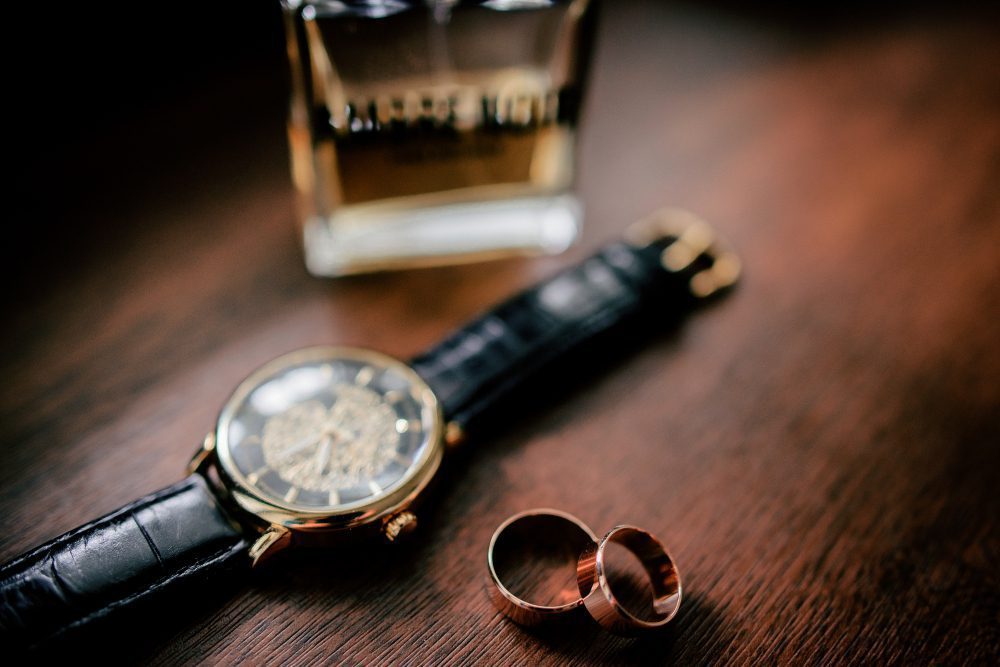
Materials of 1:1 super clone watches influence appearance, wrist feel, finishing and how a watch changes through regular use. Yet a material name by itself does not establish the quality of the complete watch. “Sapphire,” for example, may describe only the crystal; “ceramic” may refer only to a bezel insert; and “carbon-style” can cover several very different constructions.
This guide works like a material passport. For each common listing term, it explains what the term can mean, what it does not prove and which detail should be confirmed on the exact product page.
Case, bezel, insert, crystal, dial, bracelet, strap or clasp?
Steel, ceramic, sapphire, titanium, composite, rubber or leather-style?
Polished, brushed, plated, painted, coated, textured or stone-set?
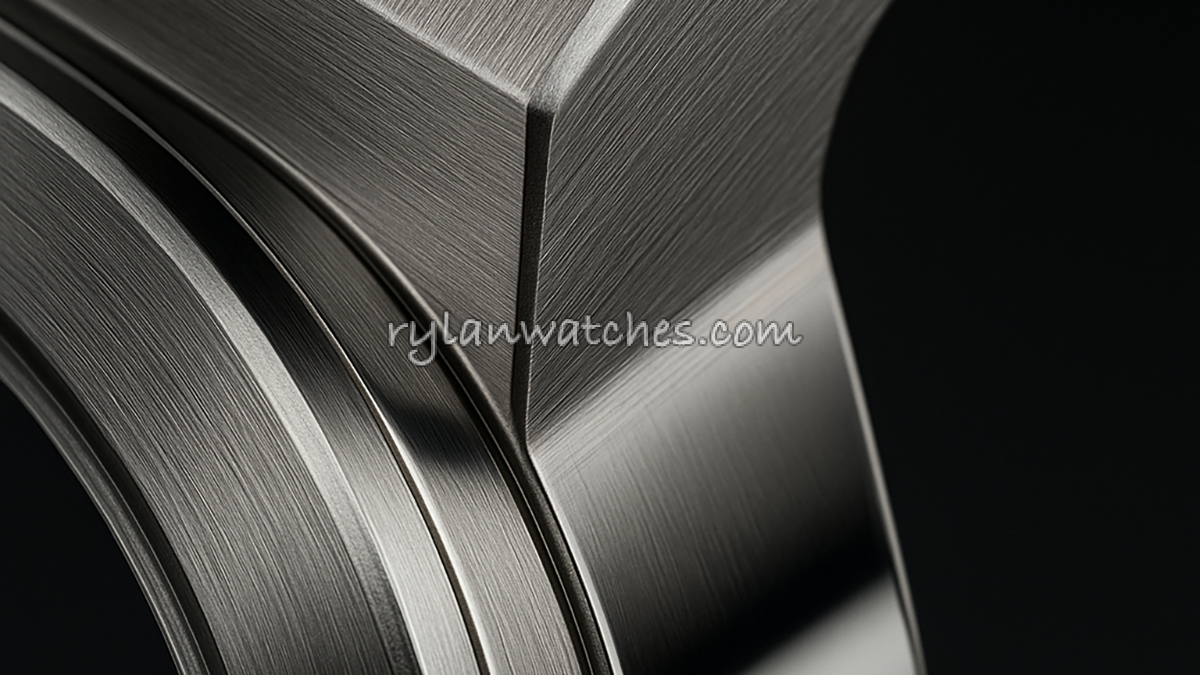
The Super Clone Watch Material Passport
316L, 904L and “904L-Style” Wording
316L and 904L are different stainless-steel grades. Both can be used to produce attractive watch cases, but the alloy name does not describe machining accuracy, surface finishing, bracelet tolerances or assembly. A poorly finished case does not become premium because its listing says 904L, and a carefully finished 316L case should not automatically be dismissed.
Confirm: which components use the stated steel, whether the term is “904L” or only “904L-style,” and whether independent material evidence exists. Use current photographs to judge brushing, polishing, edges and bracelet integration—not the alloy identity.
Ceramic, Aluminum and Metal
Ceramic inserts are valued for a glossy surface and resistance to everyday scratching, while aluminum offers a different color and aging character. Neither material is damage-proof: ceramic can chip or fracture under a hard impact, and aluminum can scratch or fade. Metal bezels may be brushed, polished, engraved or coated.
Confirm: whether “ceramic” describes the insert, the complete bezel or the whole case. Check numeral filling, color transitions, alignment, edge finish and bezel action on the individual watch.
Sapphire, Mineral Glass and AR Coating
Sapphire crystal is more resistant to ordinary scratches than mineral glass, but it can still chip or break under impact. Mineral glass is easier to scratch but remains a functional and widely used crystal material. Anti-reflective coating changes glare and dial visibility; an outer coating can also show surface marks separately from the crystal beneath it.
Confirm: the crystal material, shape, coating location and any date magnifier. “Sapphire crystal” describes the transparent cover over the dial—it does not mean the case is made from sapphire.
Carbon, Composite, Titanium and Transparent Cases
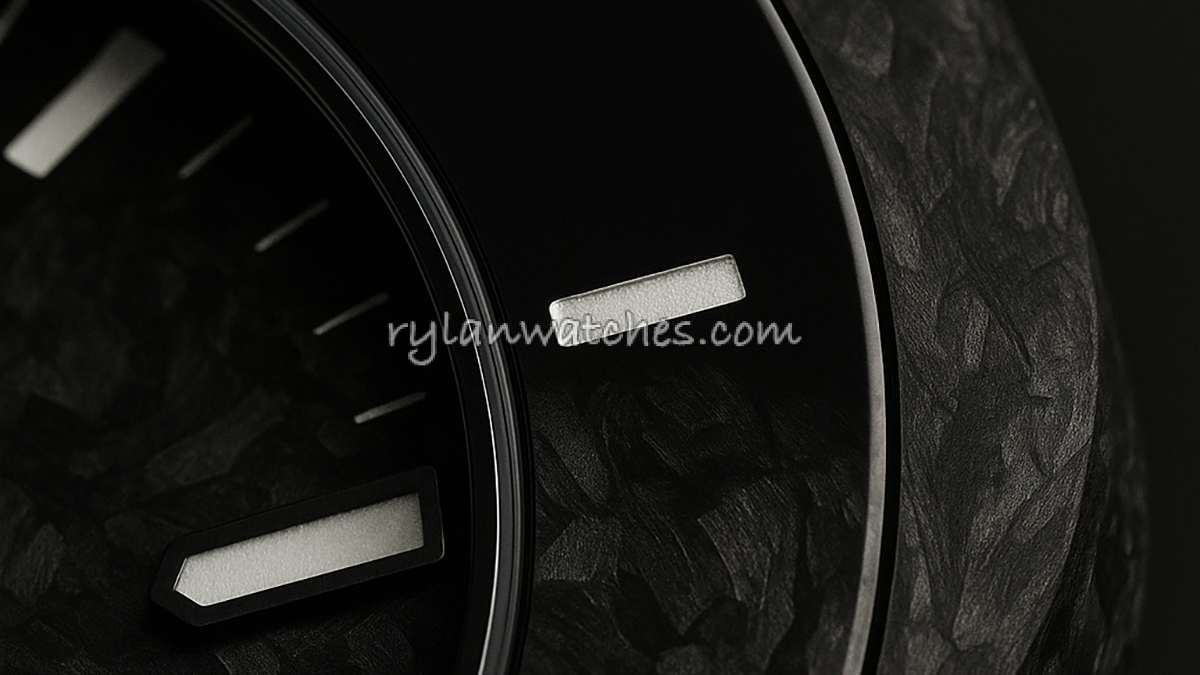
Carbon fiber, forged-carbon-style material, molded composite, coated metal and printed carbon patterns are not interchangeable. Titanium also creates a different weight and surface character from steel. Transparent watch descriptions may refer to a complete clear case, selected panels or only the front and rear crystals.
Confirm: which exact parts use the named material and which parts use metal, resin, glass or coating. Buyers interested in these designs can compare the Richard Mille collection and the DIW carbon-style guide.
Gold Tone, PVD, IP, Plating and Decorative Stones
Most gold-tone replica cases and bracelets use a surface treatment over a base material rather than solid precious metal. PVD, IP, electroplating, paint and other coatings can produce different color and wear patterns. Decorative stones may be crystal, cubic zirconia, moissanite or another material unless the listing states otherwise.
Confirm: the base material, coating method when stated, treated components and stone description. Inspect clasp edges, bracelet corners, crown and pushers because high-contact areas reveal how the finish has been applied.
Rubber, Leather-Style Material and Metal Links
Comfort depends on more than the named material. Rubber straps vary in flexibility, texture and odor; leather-style straps may use natural leather, synthetic layers or mixed construction; and metal bracelets depend on link articulation, edge finishing, clasp design and sizing range.
Confirm: strap composition, attachment width, replacement availability, clasp or buckle material and wrist-size range. On bracelets, review link gaps, screw or pin construction and clasp closure.
Printed, Applied, Painted and Luminous Details
Dial quality comes from execution rather than one premium-sounding material. Applied indices, printed text, plated hands, paint, lacquer, stone settings and luminous compound must work together. Lume brightness in a freshly charged photograph does not establish how evenly or how long it will glow.
Confirm: marker alignment, hand finish, text edges, surface texture, stone setting and lume consistency. Request photographs in neutral light as well as promotional lighting.
Translate Common Watch Material Claims
Use these translations to keep the materials of 1:1 super clone watches tied to the exact component being described. A listing can contain a correct material term while still leaving the rest of the construction unspecified.
The dial cover is described as sapphire; the case material still needs a separate answer.
Ask whether this means the insert, complete bezel assembly or entire case.
Ask which component uses carbon and whether it is laminate, composite, coating or pattern.
This describes a claimed look or category; it is not independent proof of the alloy.
Materials Do Not Establish Water Resistance
A steel case, sapphire crystal and screw-down crown can all be present without proving that the assembled watch is suitable for swimming. Water resistance depends on case tolerances, gaskets, crystal and caseback installation, crown construction and the condition of the individual unit. Use an appropriate pressure test before deliberate water exposure rather than inferring a rating from materials or the genuine model it resembles.
Use Materials to Choose a Style, Then Verify the Watch
The Rolex collection is a useful route for steel-and-bezel combinations, while the Hublot collection emphasizes mixed materials and bold case construction. Richard Mille and DIW-inspired styles provide more carbon, composite and transparent visual directions. These collection links help you discover an aesthetic; the individual listing remains the source for the exact construction.
Material names are also only one part of product quality. Read the super clone vs replica difference guide for broader construction context, then use the replica watch QC guide to inspect the individual watch.
Materials of 1:1 Super Clone Watches: Final Rule
The most useful lesson from the materials of 1:1 super clone watches is simple: always connect the claim to a specific component. Identify the component, material and finish; then judge photographs, specifications and unit-level condition together. No single steel grade, crystal or bezel material certifies the quality of the complete watch.
Browse the current luxury replica watch collection and compare models by design, size, listed construction and wearing style.
Trademark notice: Watches discussed in this article are independently produced replicas. They are not manufactured, authorized or endorsed by the named luxury brands. Brand and model names are trademarks of their respective owners.