The most important super clone vs replica difference is quality positioning, not a universal certification. “Replica” is the broad category for independently produced watches inspired by existing designs. “Super clone” is normally used for a higher-tier replica that aims to provide better proportions, finishing, movement presentation, functions and wrist feel.
Neither term guarantees a particular steel grade, crystal, movement, water resistance or level of accuracy. Two sellers can use the same label for very different products. A smart comparison therefore starts with the exact watch and its stated configuration rather than the label alone.
Super Clone vs Replica Difference at a Glance
| Comparison point | Standard replica | Higher-tier super clone |
|---|---|---|
| Main goal | Reproduce the recognizable overall style | Reproduce the design with closer proportions and more detail |
| Case and finishing | Simpler machining and surface transitions | More controlled brushing, polishing and component alignment |
| Dial and hands | General color and layout receive priority | More attention to printing, texture, marker placement and hand finish |
| Movement | Basic quartz or mechanical options may be used | Mechanical options may better support the displayed layout and functions |
| Functions | Some displays may be simplified or decorative | More functions are likely to operate as presented, depending on the model |
| Bracelet or strap | Basic fit and clasp construction | Improved articulation, end-link fit, edge finish and clasp feel |
| Best suited to | Style-led or occasional wear | Buyers who value closer detail and regular mechanical wear |
These are typical tendencies rather than guaranteed specifications. The same product can be described differently by different sellers, so always use the product page and current photographs as the purchasing baseline.
What Is a Standard Replica Watch?
A standard replica focuses on the most recognizable visual elements: case shape, dial color, bezel, bracelet or strap and overall brand-inspired style. It can be a practical option for buyers who want the appearance of a particular design without prioritizing close reference-level detail.
Standard replicas are not automatically quartz, low quality or made from one specific material. Some use mechanical movements and sapphire-style crystals, while others use simpler components. The term describes a broad market category, so the exact movement, functions and materials still need to be read from the selected listing.
A standard option makes the most sense when your decision is driven by color, silhouette and price. A simple time-and-date design can also be easier to own than a complex watch with multiple displays.
What Is a Super Clone Watch?
A super clone is generally positioned as a premium replica. The design target is not only to resemble the original model from a distance, but to improve the details buyers notice during handling: case geometry, dial depth, hand finishing, bezel action, crown feel, bracelet fit and movement presentation.
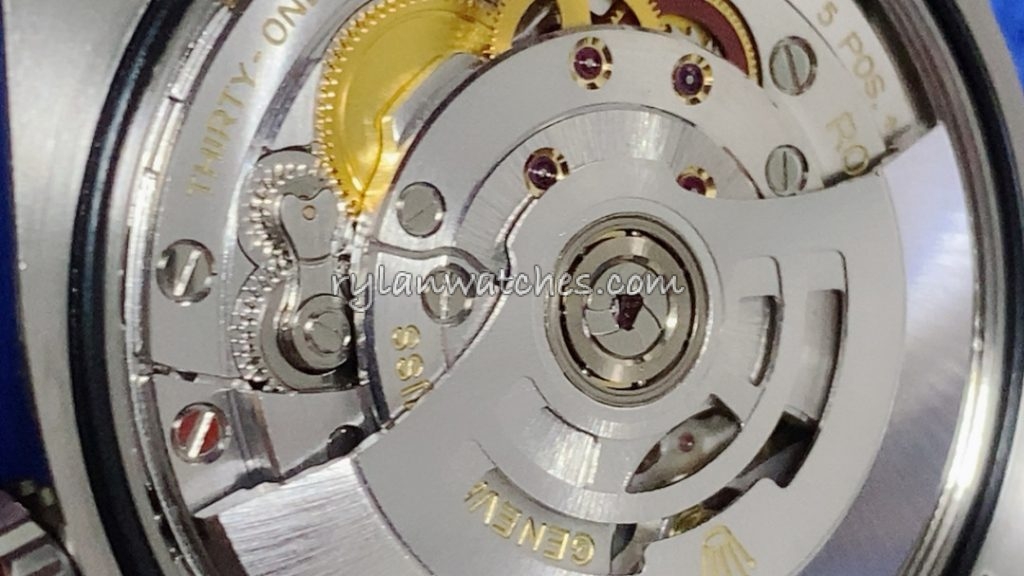
“Super clone” remains a commercial term. There is no independent organization that certifies every watch using it, and the label does not make the movement an original Swiss-brand calibre. An independently produced movement can imitate the layout or functions of another mechanism while remaining a different product.
The super clone vs replica difference is therefore best understood as a combination of execution and configuration. A well-made premium option should feel more cohesive across the whole watch, not simply include a longer list of marketing specifications.
Eight Differences That Matter Most
1. Case Proportions
Higher-tier watches usually pay closer attention to diameter, thickness, lug shape, crown guards and the way the bezel sits above the case. These proportions determine whether the watch looks balanced on the wrist.
2. Surface Finishing
Compare the direction and consistency of brushing, the clarity of polished sections and the transitions between them. A premium watch should avoid soft edges, wavy reflections and rough surfaces around the crown, pushers or caseback.
3. Dial Construction
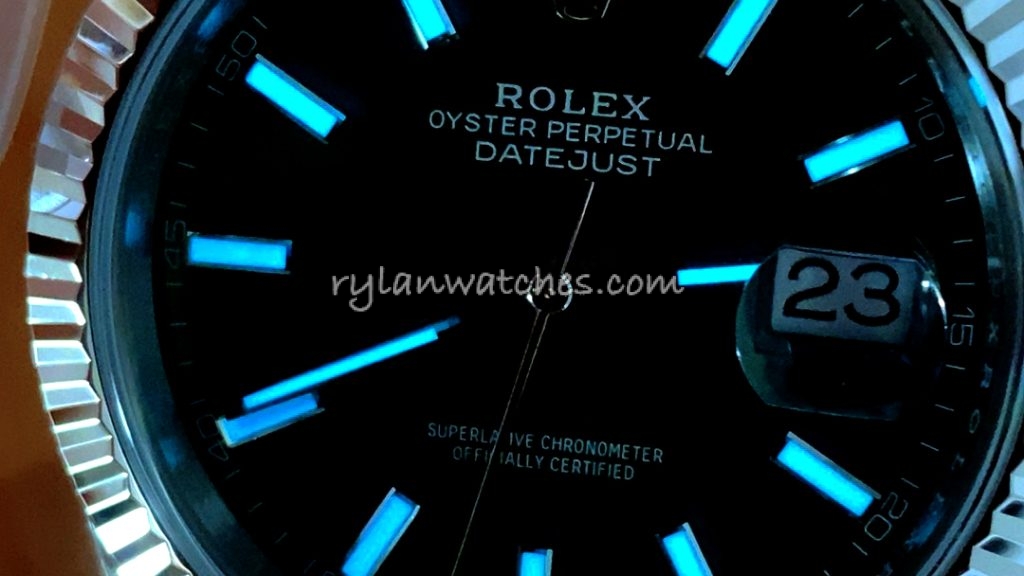
Dial quality includes more than the logo. Texture, printing, date-window position, marker alignment, hand length and luminous material all contribute to the result. Skeleton and chronograph dials also need depth and visual hierarchy.
4. Crystal and Bezel
A clearer crystal can improve legibility and reduce distracting reflections. On dive and GMT styles, compare bezel alignment, numeral clarity and rotation. On dress watches, the height and curvature of the crystal influence the profile.
5. Movement Choice
A movement should support the displayed time, date, chronograph, GMT or open-worked layout. A more expensive movement is useful only when it improves the functions or ownership experience you value.
6. Functional Displays
Some basic replicas use decorative subdials or simplified calendars. Higher-tier configurations are more likely to provide functional displays, but this must still be confirmed model by model. Determine what each pusher, crown position, hand and subdial actually does.
7. Bracelet, Strap and Clasp
Bracelet articulation and clasp construction strongly affect daily comfort. Look for smoother links, clean edges, secure closure and an even connection with the case. On rubber and leather-style straps, compare flexibility, stitching and buckle fit.
8. Quality Control and Support
The final super clone vs replica difference often appears in the buying process. Clear photographs, accurate specifications, function checks, delivery terms and after-sales support can be more valuable than a factory nickname. Use the replica watch QC guide to evaluate the exact item.
What the Labels Do Not Guarantee
Marketing language can simplify a complicated product. Avoid assuming that every “super clone” automatically includes:
- 904L stainless steel throughout the case and bracelet;
- a Swiss-made movement or original-brand calibre;
- fully functional chronograph, GMT, moonphase or tourbillon displays;
- a sapphire crystal or solid ceramic case;
- a fixed accuracy, power reserve or water-resistance result;
- identical measurements to the genuine reference;
- official brand warranty, service or resale identity.
The product page should state the configuration that is actually being sold. If two quality options are offered, compare what changes between them—movement, materials, functions or finishing—instead of treating the option name as the specification.
Which Quality Level Should You Choose?
Choose a Standard Replica If:
- the general design and dial color are your main priorities;
- you want an occasional-wear watch at the lower available price;
- you prefer a simple time-only or time-and-date configuration;
- you do not require close movement decoration or complex functions.
Choose a Super Clone If:
- you will notice case proportions, finishing and dial details;
- bracelet comfort and clasp action matter for regular wear;
- you want a mechanical movement and more complete function layout;
- you prefer the highest available execution of a specific style.
For a complete purchase sequence, movement explanation and care guidance, read the super clone watches buying guide.
How to Compare Two Listings
- Confirm the same target model: Reference, size, date layout, dial and bracelet must match before price comparison is useful.
- Compare stated materials: Separate the case, bezel, crystal, bracelet, coating and stones rather than using one material claim for the entire watch.
- Compare movements: Identify automatic, manual-wind or quartz operation and the functions supported.
- Compare photographs: Look at alignment, finishing, dial depth, bracelet connection and clasp.
- Compare service terms: Shipping, inspection, warranty and exchange conditions affect the complete value.
Browse current Rolex-inspired watches, Audemars Piguet-inspired watches and Patek Philippe-inspired watches to compare how different designs use these quality factors.
Super Clone vs Replica FAQ
Is a super clone still a replica watch?
Yes. “Replica” is the broad category, while “super clone” is a market term generally used for a higher-tier replica with closer detail, finishing or movement presentation.
Are all super clones made from 904L steel?
No. Materials vary by product and component. The exact case and bracelet construction should be stated on the selected product page.
Do all super clone complications work?
No. Functionality depends on the movement and model. Confirm the operation of every displayed subdial, hand, pusher and calendar.
Does “Swiss movement” mean an original brand movement?
No. An original-brand calibre, a Swiss-made third-party movement and an independently produced clone movement are different products.
Can a super clone be serviced?
Many mechanical replica movements can receive maintenance, but parts and technician availability depend on the exact calibre. Confirm service options before a repair is needed.
Is buying a super clone legal?
Laws and customs treatment vary by country and activity. Personal ownership, international importation and resale can be treated differently; read the super clone watch legal guide.
Final Comparison
The practical super clone vs replica difference comes from the complete watch: proportions, finishing, dial, movement, functions, bracelet and support. A standard replica prioritizes the recognizable style, while a higher-tier super clone usually invests more in the details and mechanical experience.
Use the label as a starting point, not proof of specifications. Compare the exact product, choose the features you value and keep expectations connected to the configuration shown in the listing.
Trademark notice: Replica watches discussed in this guide are independently produced and are not manufactured, authorized or endorsed by the original watch brands. Brand and collection names remain trademarks of their respective owners.