Super Clone Watch Factories Explained
Super clone watch factories explained is an important topic for buyers who want to understand why two watches with the same model name can still differ in case shape, dial detail, movement feel, bracelet construction, and overall finishing. In the replica watch market, factory names such as Clean, VSF, 3K, PPF, BBR, MKS, BLS, ZF, and APS are often used to describe different production sources or version families. These names help buyers compare quality levels, but they can also create confusion when they are treated as simple ranking labels.
Many buyers search for the best super clone watch factories, but the better question is which factory version is strongest for the exact model you want. A Rolex Submariner, Patek Philippe Nautilus, Richard Mille RM 011, and Vacheron Constantin Overseas each require different strengths.
The first thing to understand is that these factories are not official brand factories and they are not authorized by Rolex, Patek Philippe, Richard Mille, Vacheron Constantin, Breitling, Audemars Piguet, IWC, or any other original luxury watchmaker. In this industry, the word “factory” is a market term used to separate different replica versions. A Clean Rolex-style watch, a VSF Submariner-style watch, a 3K Patek Philippe-style watch, or a BBR Richard Mille-style watch refers to a specific replica production version, not an official connection to the genuine brand.
Factory choice matters because different production teams often focus on different strengths. One factory may be known for Rolex sports models, another for Patek Philippe Nautilus or Aquanaut styles, another for Richard Mille skeleton construction, and another for Vacheron Constantin-inspired dress or sport-luxury designs. This is why experienced buyers rarely ask only, “Which factory is best?” A better question is, “Which factory version is strongest for this exact model?”
For example, Clean and VSF are often discussed when buyers compare Rolex-inspired super clone watches. 3K and PPF are frequently mentioned for Patek Philippe-inspired Nautilus and Aquanaut models. BBR is commonly associated with Richard Mille-style skeleton and tonneau-case designs. MKS is often discussed for Vacheron Constantin-inspired models, while BLS is known in conversations around Breitling-style watches. ZF, APS, and similar version names are often mentioned for Audemars Piguet, IWC, and other detailed case or bracelet-focused models.
However, factory name alone should never be the only deciding factor. The same factory can perform well on one reference and less impressively on another. A newer version is not always better than an older version, and a popular factory name does not remove the need for inspection. Case thickness, dial printing, bezel color, date font, bracelet fit, movement choice, and final QC all matter. This guide explains how different super clone watch factories are usually discussed, what buyers should compare, and why factory selection should always be combined with realistic expectations and a proper replica watch QC guide process before shipping.
What Does “Factory” Mean in Super Clone Watches?
In the super clone watch market, the word “factory” is used differently from how it would be used in the official watch industry. It does not mean an authorized manufacturer, a licensed supplier, or a facility connected to the original luxury brand. Instead, it is a common market label used to identify a particular production source, version family, or replica maker known for producing certain models.
This distinction is important because many new buyers misunderstand factory names. When someone says “Clean Factory Rolex,” “VSF Submariner,” “3K Nautilus,” “PPF Aquanaut,” “BBR Richard Mille,” “MKS Vacheron,” or “BLS Breitling,” they are not describing an official product. They are describing a replica version that has become recognized within the market for certain design characteristics, materials, movement choices, or model accuracy.
Factory names help buyers compare different options, but they are not universal quality guarantees. One factory may be strong in case shape but less convincing in bracelet feel. Another may offer better movement decoration but slightly different dial color. Some factories focus on sport models, while others are more commonly discussed for dress watches, skeleton models, or complicated case construction. This is why a factory name should be treated as a starting point for research, not the final answer.
It is also common for the same watch model to have multiple factory versions. A buyer looking for a Submariner-style watch may compare Clean and VSF. A buyer looking for a Nautilus-style watch may compare 3K and PPF. A buyer interested in Royal Oak-inspired models may see ZF, APS, or other versions discussed. Each version may differ in thickness, dial texture, bracelet construction, movement layout, bezel finishing, or overall wearing feel.
For serious buyers, understanding factory names helps reduce confusion. Instead of choosing only by price or product photos, you can ask better questions: Which factory version is this? What model is it strongest for? What movement does it use? How close is the case thickness? How good is the bracelet? Has the individual watch been checked before shipping? These questions are more useful than assuming one factory is automatically best for every watch.
Why Different Factories Produce Different Results
Different super clone watch factories produce different results because each model has its own technical challenges. A Rolex Submariner-style watch is not difficult in the same way as a Patek Philippe Nautilus-style watch, a Richard Mille skeleton watch, or a Vacheron Constantin dress model. Some watches depend heavily on case shape and bezel alignment, while others depend more on slimness, bracelet integration, dial texture, movement decoration, or open-worked structure.
Case construction is one of the biggest reasons factory versions differ. A watch may look accurate from the front but feel too thick from the side. Another version may have a better case profile but weaker bracelet finishing. For integrated bracelet watches such as Royal Oak, Nautilus, Overseas, or similar sport-luxury models, the transition between case and bracelet is especially important. If the bracelet does not sit naturally with the case, the whole watch can feel less convincing.
Dial execution also varies between factories. Small differences in logo placement, font weight, marker shape, lume color, sub-dial spacing, date window position, and dial texture can change the overall impression. A Daytona-style chronograph needs balanced sub-dials and clean tachymeter details. A Nautilus-style watch needs the correct horizontal dial feel. A Navitimer-style watch requires more complicated printing and spacing because the dial is visually dense. A dress watch needs restraint, symmetry, and clean finishing rather than heavy visual impact.
Movement choice is another major difference. Some versions use simple automatic movements, while others use clone-style movements designed to imitate the appearance or function of the original calibre more closely. Chronograph, GMT, moonphase, annual calendar, and tourbillon-style models all require different approaches. A factory that performs well on a three-hand watch may not automatically perform equally well on a complicated chronograph or skeleton design.
Material feel and finishing also separate factory versions. Bracelet tolerance, clasp action, rubber strap fit, crystal height, bezel printing, case brushing, polished bevels, screw alignment, and engraving depth all affect the final result. This is why experienced buyers compare the full watch rather than only looking at the factory name. A strong version should combine acceptable appearance, practical function, comfortable wear, and proper QC before shipping.

Clean and VSF for Rolex Super Clone Watches
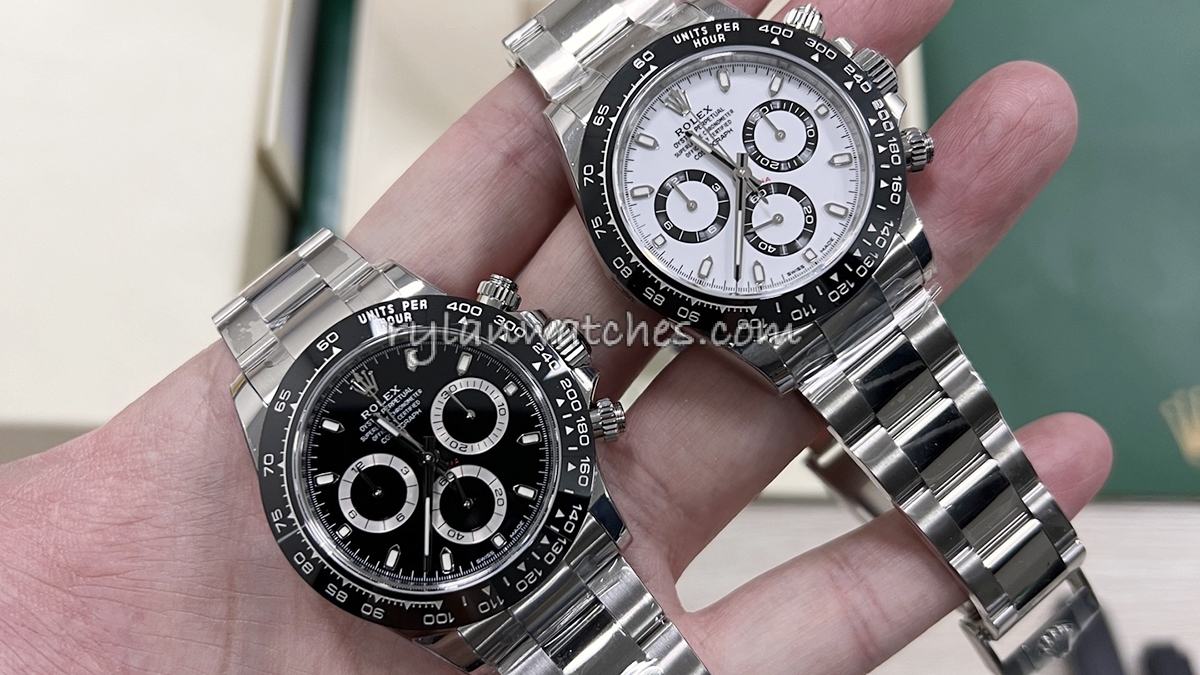
Clean and VSF are two of the most recognized factory names for Rolex super clone watches. Both are widely discussed for popular Rolex-inspired models such as Submariner, Daytona, GMT-Master II, Datejust, and other everyday sport or dress-sport styles. In terms of overall quality, finishing, and visual execution, Clean and VSF are both considered top-level choices in the current super clone market.
It is not accurate to describe one as clearly better and the other as clearly worse. For many Rolex-style models, Clean and VSF can be very close in case shape, dial layout, bracelet feel, bezel execution, and overall wrist presence. The more useful comparison is not “which factory is better,” but “which version is stronger for this exact model at this moment?”
Clean is often discussed for its stable execution on many Rolex sports models, especially where buyers care about bezel color, case profile, dial balance, bracelet construction, and overall appearance. VSF is also highly regarded, and in some models or periods, VSF may update versions faster or offer a newer movement or detail adjustment earlier than other versions. This can make VSF especially attractive when a buyer is looking for the latest available update on a specific Rolex-inspired model.
For example, a buyer comparing a Submariner-style watch may care about bezel alignment, case thickness, date magnification, bracelet fit, and movement feel. A buyer comparing a Daytona-style chronograph may focus more on sub-dial layout, bezel printing, chronograph hand behavior, and overall dial symmetry. In both cases, Clean and VSF should be judged by the specific reference and version rather than by a broad ranking.
For Rolex-style super clones, the practical advice is simple: both Clean and VSF can be excellent choices, but the best option depends on the exact model, current version, movement used, available batch, and buyer priority. A top factory name is useful, but it does not remove the need for QC. Dial alignment, bezel position, bracelet fit, clasp action, movement operation, and surface condition should still be checked before shipping.
3K and PPF for Patek Philippe Super Clone Watches
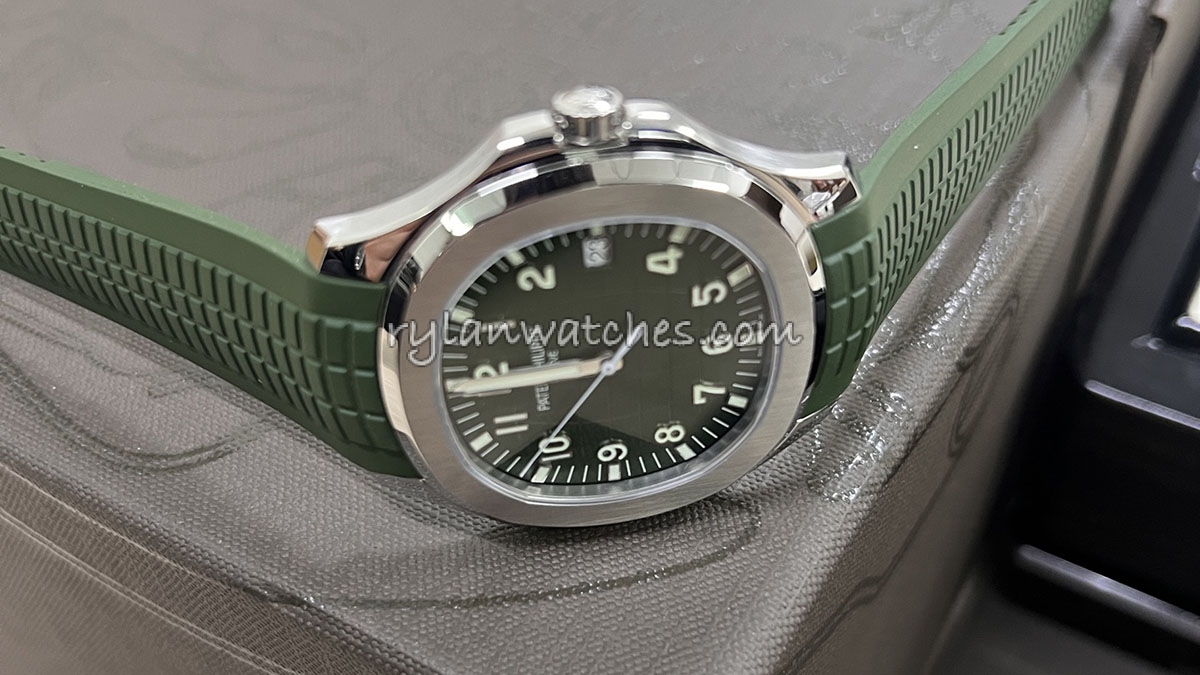
For Patek Philippe super clone watches, 3K and PPF are two factory names that buyers often compare, especially around Nautilus, Aquanaut, and selected complication-inspired models. Patek Philippe-style watches are different from many Rolex or Breitling-style models because they usually rely on restraint, thinness, dial balance, and subtle finishing rather than bold bezel design or oversized case presence.
3K is often discussed for Patek Philippe-inspired models where slim case profile, movement appearance, and overall proportion matter. Buyers frequently connect 3K with Nautilus and Aquanaut styles, especially when the goal is a cleaner case shape, refined wrist feel, and movement execution that visually follows the spirit of the original calibre layout. On models inspired by the 5711 or Aquanaut 5167, details such as dial texture, case thickness, bracelet fit, and date window placement become especially important.
PPF is also commonly mentioned for Patek Philippe-style watches, particularly where buyers care about case finishing, dial texture, bracelet construction, and balanced overall appearance. PPF versions are often discussed in relation to Nautilus-style and complication-inspired models because these watches require a more refined visual approach. A Patek-style replica cannot depend on loud design to hide imperfections; small differences in dial printing, marker shape, bezel edge, bracelet transition, or case curve can become noticeable.
The difference between 3K and PPF should not be reduced to a simple “which one is best” answer. One version may be preferred for a specific Nautilus reference, while another may be more suitable for a different dial color, case material, or complication layout. Buyers should compare the exact model, movement type, case thickness, bracelet or strap fit, and available version before making a decision. A factory name gives useful direction, but it does not automatically settle the choice.
For Patek Philippe-inspired super clones, the most important question is whether the watch keeps the refined character of the design. The case should not feel too bulky, the dial should remain clean, the bracelet or rubber strap should integrate naturally, and the finishing should support a quiet sport-luxury feel. Whether the model comes from 3K, PPF, or another version, final QC remains necessary to confirm dial alignment, surface condition, date display, movement operation, and overall consistency before shipping.
BBR for Richard Mille Super Clone Watches
For Richard Mille super clone watches, BBR is one of the factory names frequently discussed by buyers who are interested in skeletonized RM-style designs, tonneau case construction, and bold modern sport watches. Richard Mille-inspired models are more difficult to judge than many traditional watches because the design exposes much more structure. Instead of a simple dial and closed caseback, buyers are looking at case layers, visible bridges, screws, rubber strap integration, color contrast, and overall architectural depth.
BBR is often associated with popular RM-style references such as RM 011, RM 035, RM 055, RM 061, and more expressive skeleton designs such as RM 052. These watches depend heavily on how convincing the case shape, dial depth, bridge layout, and rubber strap fit appear together. A small weakness in one area can affect the entire visual structure.
Unlike a classic Rolex or Patek Philippe-style watch, an RM-inspired model is not mainly about quiet symmetry or traditional dial finishing. It is about technical presence. The curved tonneau case should sit naturally on the wrist, the skeleton dial should look layered rather than flat, and the case construction should feel intentional instead of bulky. Carbon-style textures, ceramic-style bezels, titanium-tone finishes, colored accents, and screw placement all play a role in how strong the final watch feels.
For this reason, BBR is usually discussed in relation to overall structure rather than one isolated detail. Buyers may compare how the case thickness looks from the side, whether the skeleton bridges have enough depth, how the strap connects to the case, whether the crown and pushers feel proportionate, and how well the color contrast matches the reference style. These details matter because Richard Mille-style watches are often chosen as statement pieces, not subtle daily watches.
Even when choosing a well-known RM factory version, QC is still important. Skeleton watches expose more visual elements than closed-dial watches, so bridge alignment, dial cleanliness, case screws, strap fit, crystal clarity, and movement operation should be checked before shipping. A strong factory name can help guide the selection, but the actual watch still needs to be reviewed as an individual piece.

MKS for Vacheron Constantin Super Clone Watches
For Vacheron Constantin super clone watches, MKS is often discussed by buyers who care about refined case proportions, clean dial layouts, and understated Geneva-inspired design. Vacheron Constantin-style watches are very different from brands that rely on bold bezels, oversized cases, or heavy skeleton construction. Their appeal usually comes from restraint, slimness, dial spacing, bracelet balance, and quiet finishing.
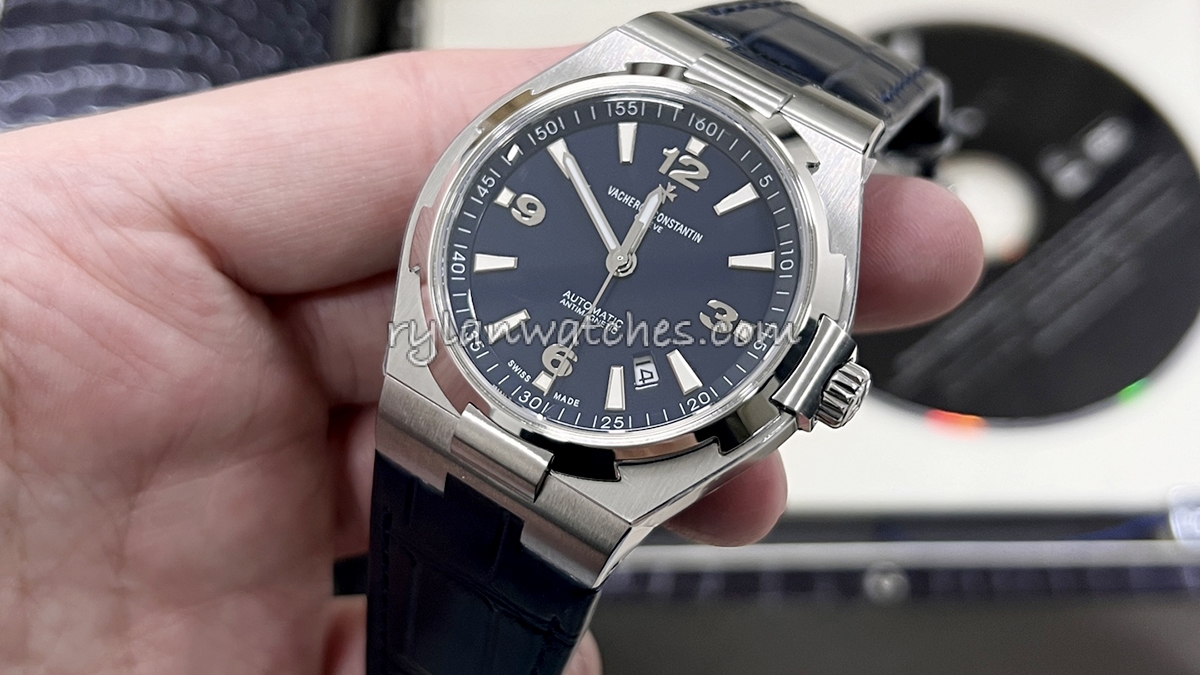
MKS is commonly mentioned in relation to Vacheron-inspired models such as Overseas, Patrimony, Traditionnelle, Malte, and Fiftysix styles. These watches require a more delicate approach than many sport watches because the design leaves less room to hide poor proportions or rough finishing. A slightly thick case, uneven dial spacing, or awkward bracelet fit can make the watch feel less refined.
For Overseas-style models, bracelet integration and case finishing are especially important. The watch should feel balanced as a sport-luxury design, with clean transitions between the case and bracelet. For Patrimony and Traditionnelle-inspired watches, the challenge is different: the dial must remain calm, the markers should feel evenly placed, and the case should preserve a thinner dress-watch impression. Malte-style models add another difficulty because tonneau-shaped cases depend heavily on case curve and proportion.
MKS is often valued in this category because Vacheron-style watches are not mainly about loud visual impact. They are about wearing balance. Buyers usually choose these models because they want something more subtle than a Rolex sports model, less aggressive than an Audemars Piguet Royal Oak, and more traditional than a Richard Mille or Hublot skeleton watch. This means the factory version should support elegance rather than overstate the design.
When comparing MKS or any Vacheron-inspired version, buyers should pay attention to case thickness, dial cleanliness, marker alignment, bracelet or strap fit, date placement, and overall wrist feel. Because these watches rely on refinement, small flaws can feel more noticeable. A proper QC process remains important before shipping, especially for dress-oriented models where visual balance is the main reason buyers choose the watch.
BLS for Breitling Super Clone Watches
For Breitling super clone watches, BLS is often mentioned by buyers who are comparing aviation-inspired chronographs, dive-style sport watches, and bold tool-watch designs. Breitling-style watches are different from minimalist dress watches because many of their models include larger cases, detailed dials, strong bezels, luminous markers, and chronograph layouts. This makes dial clarity, printing accuracy, sub-dial spacing, and case finishing especially important.
BLS is commonly discussed in connection with Breitling-inspired models such as the Navitimer, Chronomat, Superocean, and Avenger-style watches. Each line has a different challenge. Navitimer models require careful dial printing and balanced sub-dial layout because the watch face is visually complex. Chronomat models need strong case proportions and bracelet presence. Superocean and Avenger-style models rely more on sport durability, bezel clarity, and bold marker design.
For Breitling-style chronographs, buyers usually pay close attention to how clean the dial looks. The Navitimer, for example, has a busier aviation-inspired layout, so spacing, printing sharpness, and sub-dial placement can strongly affect the final impression. On Chronomat-style models, the bezel, bracelet, crown guards, pushers, and dial balance all work together to create the watch’s sport-luxury character. A small issue in alignment or finishing can be more noticeable because the design itself is so technical.
For dive and tool-watch styles such as Superocean and Avenger-inspired models, the focus shifts toward bezel alignment, lume marker consistency, crystal clarity, case shape, strap or bracelet comfort, and overall wrist presence. These watches are usually chosen by buyers who want something practical, sporty, and visually strong, so the factory version needs to feel solid rather than delicate.
BLS can be a strong direction for Breitling-inspired watches, but buyers should still compare the exact model and version. A factory name does not automatically guarantee that every Navitimer, Chronomat, Superocean, or Avenger-style watch will be equally strong. The best choice depends on dial complexity, movement type, case size, bracelet or strap construction, and final QC before shipping.
ZF, APS and Other Factories for AP and IWC Models
ZF, APS, and several other factory names are often discussed when buyers compare Audemars Piguet, IWC, and other watches where case finishing, bracelet integration, dial texture, and thickness are especially important. These brands are not judged in the same way as Rolex or Breitling. For AP-inspired models, the bracelet and case geometry often matter as much as the dial. For IWC-inspired models, clean readability, case proportion, and functional layout are usually more important than decorative complexity.
For Audemars Piguet super clone watches, ZF and APS are frequently mentioned in discussions around Royal Oak, Royal Oak Offshore, and CODE 11.59-style models. The Royal Oak is difficult to replicate convincingly because its identity depends on many connected details: octagonal bezel shape, exposed screws, tapisserie-style dial texture, integrated bracelet flow, brushed surfaces, polished bevels, and overall case thickness. If one of these areas feels wrong, the watch can lose much of its AP character.
APS is often discussed in relation to Royal Oak-style models where bracelet structure, dial texture, and case finishing are key comparison points. ZF is also widely known for AP-inspired watches and other refined sport-luxury or dress models. The better choice depends on the exact reference, version update, dial color, movement configuration, and how closely the buyer wants to match the original wearing profile. A Royal Oak Jumbo-style watch, a Royal Oak chronograph, and a Royal Oak Offshore-style model do not have the same priorities.
For IWC super clone watches, factories such as ZF are often discussed because IWC-inspired models depend heavily on clean proportions and dial clarity. Pilot’s Watch, Portugieser, Portofino, and related styles do not need loud case construction to stand out. Instead, they need readable numerals, balanced sub-dials, clean printing, smooth case finishing, and comfortable straps. A good IWC-style replica should feel practical, restrained, and easy to wear.
The key lesson is that AP and IWC models require different factory strengths. AP-inspired watches demand strong visual finishing and bracelet architecture, while IWC-inspired watches rely more on layout accuracy, case balance, and simplicity. Factory names such as ZF and APS are useful when comparing versions, but the final decision should still be based on the specific model, current version, movement type, and QC results before shipping.
Why One Factory Is Not Best for Every Watch
One of the most common misunderstandings in the super clone watch market is the idea that one factory is always the best choice. In reality, factory strength is usually model-specific. A factory that performs very well on one Rolex-inspired model may not be the strongest choice for a Patek Philippe Nautilus, Richard Mille skeleton watch, Vacheron Constantin dress model, or Breitling chronograph. Different watches require different production strengths.
For example, Clean and VSF are both top-level choices for many Rolex-style watches, but the better option depends on the exact reference, current version, movement configuration, and buyer preference. Some buyers may prefer one version for bezel color or case feel, while another version may be attractive because it receives updates faster on a specific model. This is not a simple good-versus-bad comparison; it is a version-by-version decision.
The same idea applies across other brands. For Patek Philippe-inspired models, 3K and PPF may be discussed more often because Nautilus and Aquanaut-style watches need slim case profiles, refined dial texture, and clean bracelet or rubber strap integration. For Richard Mille-inspired watches, BBR becomes more relevant because RM-style designs require skeleton depth, tonneau case structure, rubber strap fit, and carbon-style visual texture. For Vacheron Constantin-inspired watches, MKS may be discussed because subtle case proportions and dial balance matter more than bold visual impact.
This is why buyers should avoid choosing only by factory reputation. A famous factory name can help narrow the options, but it does not automatically mean every watch from that factory is the best available version. Each model has its own weaknesses and strengths. Some versions may have better dial printing but slightly thicker cases. Others may have better movement appearance but weaker bracelet feel. A newer version may improve one detail while changing another.
The best factory depends on the specific model, the current version, the movement used, and the buyer’s priorities. If you care most about movement feel, your choice may be different from someone who cares most about case thickness or bracelet comfort. If you want a skeleton watch, your priorities will be different from someone choosing a simple dress watch. The goal is not to find a single best factory for everything, but to choose the most suitable version for the watch you actually want.

Movement Differences Between Factory Versions
Movement choice is one of the most important differences between super clone watch factory versions. Two watches may look similar from the outside, but they can feel very different in daily use if they use different movements. The movement affects winding feel, hand setting, date change behavior, chronograph operation, power reserve, case thickness, and long-term maintenance expectations.
Some factory versions use standard automatic movements that are adjusted or decorated to fit the model. Others use clone-style movements designed to more closely follow the appearance, layout, or function of the original calibre. For simple three-hand watches, the difference may be less obvious to a casual wearer. For chronographs, GMT watches, moonphase models, annual calendars, and skeleton watches, the movement choice can have a much stronger effect on both appearance and usability.
For Rolex-style watches, movement differences are often part of the Clean and VSF discussion. A buyer comparing Submariner, GMT-Master II, Datejust, or Daytona-style models may care about winding feel, date change, hand setting direction, rotor noise, chronograph behavior, or power reserve. Since Clean and VSF are both top-level Rolex super clone factory options, the decision often depends less on broad quality difference and more on the current version, available movement, and model-specific update cycle.
For Patek Philippe-inspired watches, movement appearance and case thickness become especially important. A Nautilus or Aquanaut-style model should feel slim and refined, so the movement must fit the case profile without making the watch feel too bulky. This is one reason buyers often compare 3K and PPF versions carefully. The goal is not only whether the movement runs, but whether the watch preserves the elegant proportions that make Patek-style designs appealing.
For Richard Mille, Roger Dubuis, Hublot, and other skeleton-style watches, the movement area is part of the visual design. The bridges, plates, visible wheels, rotor decoration, tourbillon-style layout, and open-worked structure affect the entire identity of the watch. In these cases, a movement that looks flat, poorly aligned, or visually empty can weaken the final impression, even if the watch runs normally.
Buyers should also be careful with broad “Swiss movement” claims. A Swiss movement can be valuable when genuine and properly installed, but the label alone does not automatically make a watch better. Assembly quality, regulation, case fit, movement compatibility, and QC still matter. A well-prepared Asian automatic or clone-style movement may be more suitable for a specific model than a poorly matched movement used mainly for marketing.
The best approach is to compare movement choice based on the actual model. Ask whether the movement supports the correct functions, whether it affects case thickness, whether it feels stable in daily use, and whether it has been checked before shipping. A factory name helps identify the version, but movement execution is one of the details that determines how the watch feels after purchase.
Case, Dial, Bracelet and Finishing Differences
Case, dial, bracelet, and finishing differences are often more important than buyers expect. Many people focus first on the factory name or movement, but the exterior details are what most owners see and feel every day. A watch can use a respected factory version and still feel less convincing if the case is too thick, the dial printing looks soft, the bracelet feels loose, or the clasp does not close with confidence.
Case shape is one of the most difficult details to judge from product photos alone. A Submariner-style watch needs the right balance between case thickness, lug shape, crown guard profile, and bezel height. A Nautilus-style watch depends on slim case lines, soft curves, and clean bracelet transition. A Royal Oak-style model requires sharp geometry, brushed surfaces, polished bevels, and integrated bracelet flow. A Richard Mille-style watch needs layered tonneau construction and curved wrist fit. Each brand has a different case language, so a strong factory for one style may not automatically be strong for another.
Dial differences can also change the entire impression of a super clone watch. Font weight, marker shape, logo placement, date window position, sub-dial spacing, lume color, hand length, and dial texture all matter. For Patek Philippe-style watches, the dial should feel refined and balanced. For Breitling Navitimer-style models, printing clarity is critical because the dial is visually dense. For AP Royal Oak-style watches, tapisserie-style texture and marker alignment are major comparison points.
Bracelet and strap quality should not be ignored. Rolex Oyster, Jubilee, and President-style bracelets each create a different wearing experience. AP Royal Oak and Patek Nautilus-inspired integrated bracelets must connect smoothly to the case. Rubber strap models such as Richard Mille, Hublot, Panerai, and Aquanaut-style watches need good strap fit because comfort depends heavily on how the strap sits against the case and wrist.
Finishing is where many version differences become visible. Brushed surfaces should look even, polished edges should not feel rough, bezel printing should be clean, screw alignment should look consistent, and clasp engraving should appear properly placed. These details may seem small individually, but together they decide whether the watch feels like a higher-grade super clone or a lower-grade replica. This is why factory comparison should always include the complete watch, not only the movement or brand name.
Why QC Still Matters After Choosing a Factory
Choosing a strong factory version is important, but it does not remove the need for QC. Even if a watch comes from a well-known factory such as Clean, VSF, 3K, PPF, BBR, MKS, BLS, ZF, or APS, the individual watch still needs to be checked before shipping. Factory reputation helps identify a promising version, but QC confirms whether the actual piece prepared for the buyer is suitable for dispatch.
The reason is simple: watches are physical products, and small differences can exist between batches or individual units. A dial marker may sit slightly off, a clasp may feel tighter than usual, a date wheel may need checking, or a bezel may require closer review. These are not always factory-wide problems; sometimes they are individual-piece issues that can only be noticed during inspection.
QC is especially important for detailed models. A Daytona-style chronograph has more hands and sub-dials to check. A GMT-Master II-style watch needs the GMT hand and bezel alignment reviewed. A Nautilus-style watch depends on case slimness and bracelet transition. A Royal Oak-style model needs bezel screws, dial texture, and integrated bracelet feel checked carefully. A Richard Mille-style skeleton watch exposes many internal-style details, so case screws, bridge layout, crystal clarity, and strap fit become part of the inspection.
This is why buyers should not rely only on factory names when making a decision. A strong factory version may reduce risk, but it does not guarantee that every individual watch is free from visible marks, alignment concerns, or handling issues before shipment. A proper replica watch QC guide process helps connect factory selection with the final watch that is actually sent to the buyer.
For the best ownership experience, factory choice and QC should work together. The factory determines the version and general quality direction, while QC checks the individual watch before it leaves. This is the most practical way to reduce avoidable problems and set realistic expectations before international shipping begins.
How Buyers Should Compare Factory Versions
Buyers should compare factory versions by looking at the specific watch they want, not by chasing a factory name alone. A factory that is highly respected for one model may not be the best match for another. Before choosing, it helps to identify the exact brand, collection, reference style, movement type, and wearing purpose. A Submariner-style daily watch, a Daytona-style chronograph, a Nautilus-style sport-luxury watch, and a Richard Mille-style skeleton watch should not be judged by the same checklist.
The first question is what matters most to you. Some buyers care most about movement feel and technical operation. Others care more about case thickness, dial accuracy, bracelet comfort, bezel color, or how convincing the watch looks from normal viewing distance. For Rolex-style watches, Clean and VSF may both be excellent options, so the better choice often depends on the current version and the exact reference. For Patek Philippe-inspired models, buyers may compare 3K and PPF based on slimness, dial texture, bracelet fit, and movement appearance.
The second question is whether the model is simple or complex. A three-hand dress watch may require excellent case proportion and dial finishing, while a chronograph needs sub-dial layout, reset behavior, and movement stability. A GMT watch needs correct hand behavior and bezel alignment. A skeleton watch needs visual depth, bridge alignment, and case layering. This is why Richard Mille, Roger Dubuis, and Hublot-style watches require a different comparison approach from Datejust, Submariner, or Portofino-style models.
The third question is whether the latest version is actually better for your needs. A newer factory version may improve the movement, dial color, date font, or case shape, but it may also change another detail that some buyers prefer in the older version. Newer does not always mean better for every buyer. The best version is the one that balances the details you care about most.
A practical comparison checklist should include case shape, case thickness, dial printing, marker alignment, bezel color, bracelet or strap fit, clasp feel, movement type, function testing, and QC availability before shipping. If you are comparing two factory versions and both are strong, choose based on the model-specific details that matter most rather than online reputation alone. This approach leads to better buying decisions and fewer unrealistic expectations.
Final Advice on Super Clone Watch Factories
Understanding factory names can make the buying process easier, but it should not turn into blind factory chasing. Clean, VSF, 3K, PPF, BBR, MKS, BLS, ZF, APS, and other well-known factory names can help buyers identify stronger version directions, but no factory is automatically the best for every model. The most reliable choice depends on the exact watch, current version, movement type, case construction, dial quality, bracelet or strap fit, and final QC before shipping.
For Rolex-inspired watches, Clean and VSF are both top-level options, with very close overall quality in many models. The difference is usually found in specific references, version updates, movement details, or buyer preference rather than a simple winner-and-loser comparison. For Patek Philippe-inspired watches, 3K and PPF are often more relevant because buyers usually care about slimness, dial texture, bracelet integration, and refined proportions. For Richard Mille-inspired watches, BBR is often discussed because RM-style designs require skeleton depth, tonneau case structure, rubber strap balance, and bold technical presentation.
For Vacheron Constantin-inspired models, MKS can be an important factory direction because these watches depend on understated proportions, clean dial layout, and refined case finishing. For Breitling-inspired models, BLS is often discussed because pilot chronographs, dive watches, and tool-watch styles require clear printing, strong bezels, readable markers, and functional sport presence. For Audemars Piguet and IWC-inspired models, ZF, APS, and related versions are often compared because bracelet integration, dial texture, case thickness, and layout accuracy matter heavily.
The best way to think about factory selection is simple: choose by model first, factory second, and QC last before shipping. Start with the watch style you actually want to wear. Then compare the strongest current factory versions for that specific model. Finally, make sure the individual watch is checked before dispatch. This approach is more practical than buying only because a product listing mentions a famous factory name.
If you are still comparing styles, you can browse our luxury replica watches shop, explore collections through our super clone watch brands page, or review common buyer questions in our super clone watches FAQ. Factory names matter, but the right watch is always the one that matches your model preference, wearing habits, and realistic expectations.
Super Clone Watch Factories FAQ
What are the best super clone watch factories?
The best super clone watch factories depend on the specific model. Clean and VSF are often discussed for Rolex-style watches, 3K and PPF for Patek Philippe-inspired models, BBR for Richard Mille-style watches, MKS for Vacheron Constantin, and BLS for Breitling. However, no single factory is best for every watch, so the final choice should depend on the model, version, movement, finishing, and QC.
What are super clone watch factories?
Super clone watch factories are market terms used to describe different replica production sources or version families. They are not official brand factories and are not authorized by the original luxury watch brands. Names such as Clean, VSF, 3K, PPF, BBR, MKS, BLS, ZF, and APS are used by buyers and sellers to compare different factory versions.
Is Clean Factory better than VSF for Rolex super clones?
Clean and VSF are both top-level choices for many Rolex super clone watches. In most cases, the difference is not simply that one is better and the other is worse. They are often very close in quality, finishing, and overall appearance. The better choice depends on the exact model, current version, movement, update cycle, and buyer preference.
Which factories are commonly discussed for Patek Philippe super clone watches?
3K and PPF are commonly discussed for Patek Philippe-inspired models, especially Nautilus and Aquanaut styles. Buyers often compare them based on case thickness, dial texture, bracelet or rubber strap fit, movement appearance, and overall refinement.
Which factory is known for Richard Mille super clone watches?
BBR is often discussed for Richard Mille-inspired super clone watches, especially RM skeleton models, tonneau case designs, and bold sport-style references. For RM-style watches, case layering, skeleton depth, carbon-style texture, rubber strap fit, and bridge layout are especially important.
Are MKS and BLS considered top factories?
MKS is often discussed for Vacheron Constantin-inspired watches, especially models where clean proportions, slim case design, and understated finishing matter. BLS is often mentioned for Breitling-inspired watches, including Navitimer, Chronomat, Superocean, and Avenger-style models. Their value depends on the specific model and version being compared.
Does choosing a top factory remove the need for QC?
No. Choosing a strong factory version helps reduce risk, but it does not replace QC. Each individual watch should still be checked for dial alignment, bezel position, bracelet or strap fit, case condition, movement operation, timing behavior, and overall readiness before shipping.