Swiss vs Japanese movement is often presented as a simple prestige-versus-value decision. For replica-watch buyers, that shortcut is not enough. A country label does not tell you whether the movement is quartz or mechanical, automatic or hand-wound, time-only or complicated, sourced from a named manufacturer or built to resemble another calibre.
The useful comparison begins with the exact movement and the ownership experience you want. This guide explains how to decode the label, compare functions and decide whether appearance, daily simplicity, complications or future service should lead your choice.
Find the exact calibre or movement architecture.
Confirm every display, hand and pusher you expect to use.
Choose between visual decoration, simplicity and complication.
Consider regulation, service access and parts before purchase.
Start With the Exact Movement, Not the Country Label
Before comparing origin, establish the basics. Is the watch quartz, automatic mechanical or manual-wind? Does it display only hours, minutes and seconds, or does it add a date, GMT hand, chronograph, moonphase, open-heart or tourbillon-style mechanism? What calibre name or architecture is stated?
These answers affect how the watch is set, what can be tested and what a future watchmaker may need. Two listings described as “Japanese movement” can use different calibres; two listings described as “Swiss movement” can also refer to very different constructions. Compare exact specifications rather than treating the label as a universal grade.
What “Swiss Movement” Can Mean in a Replica Listing
The listing identifies a specific sourced movement. Confirm the exact name and whether it is installed without modification.
The movement may follow the layout or functions of a Swiss design without being manufactured in Switzerland.
If no calibre or origin evidence is given, “Swiss” alone is not enough to establish manufacturer, accuracy or construction.
A Swiss-labelled option may be attractive when a named movement, specific function set or visible finish is part of the product’s value. It is not automatically more accurate, more complicated or easier to service. Those qualities belong to the specific movement and the individual watch.
What “Japanese Movement” Can Mean
Japanese movement listings may identify a named quartz or mechanical calibre, refer to a Japanese movement architecture, or use the term broadly without specifying the manufacturer. Japan produces movements across many price, function and finishing levels, so “Japanese” is not a synonym for basic or inferior.
A named Japanese movement can be a sensible choice when the buyer values a known operating layout, straightforward daily use or wider familiarity among independent watchmakers. The same rule still applies: confirm the calibre, functions and exact product configuration rather than assuming every Japanese-labelled watch shares one reliability or service profile.
What a Movement Photograph Can—and Cannot—Show
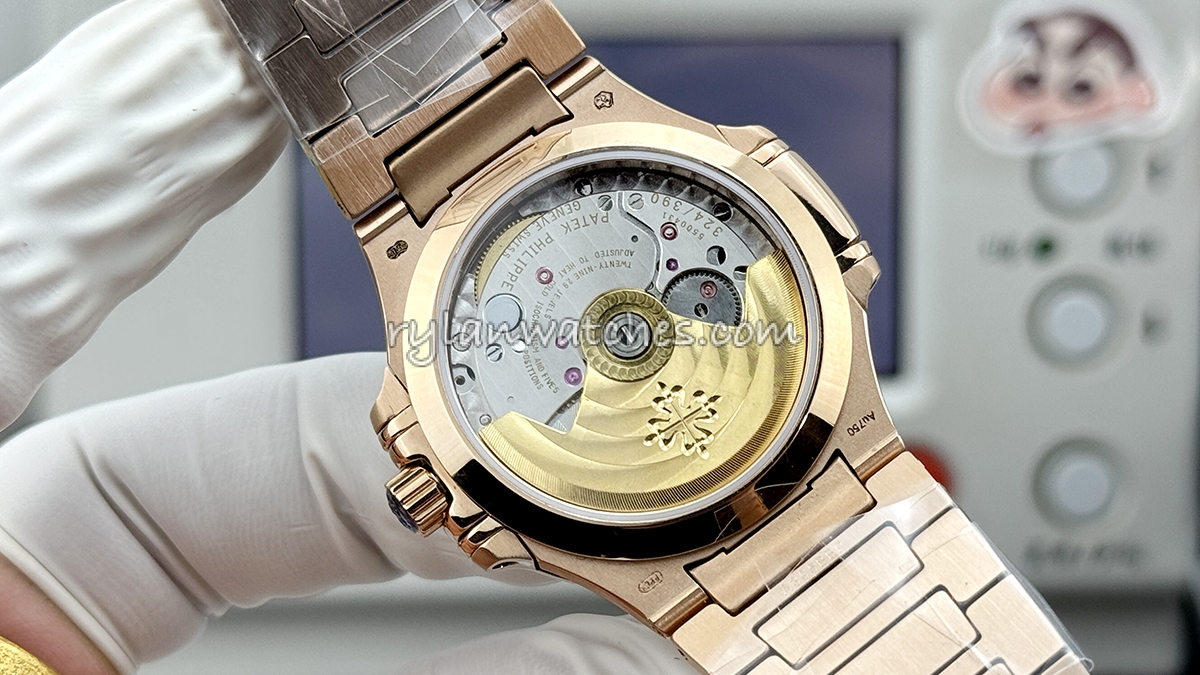
In a Swiss vs Japanese movement review, a clear caseback photograph can reveal the visible bridge layout, rotor shape, engraving, decorative finish and whether the photographed movement matches the listing. It can also expose obvious damage, loose parts or a configuration different from the advertised image.
A photograph cannot establish manufacturing origin, regulation, power reserve, winding feel or long-term condition. Those questions require documentation, functional video, timing evidence and—when important—inspection by a watchmaker. Treat the image as one layer of product evidence rather than a complete movement certificate.
Choose the Movement by Ownership Goal
For Straightforward Daily Wear
Prioritize a disclosed, serviceable time-only or time-and-date movement whose setting behavior is easy to understand. Country matters less than knowing what is installed and who can work on it.
For an Exhibition Caseback
Movement architecture and finishing become part of the visual purchase. Compare rotor shape, bridge layout, screw finish and decoration, while keeping appearance separate from origin and timing performance.
For GMT or Chronograph Functions
Confirm how the extra hand, pushers and subdials operate. A function video is more useful than assuming the layout works a particular way because of the movement’s claimed origin.
For Long-Term Service Planning
Ask an independent watchmaker whether the stated calibre is familiar and whether regulation, replacement parts or a complete movement replacement is realistic. The super clone watch service guide explains this ownership route.
Seven Questions That Matter More Than “Swiss or Japanese?”
- What is the exact calibre or movement architecture?
- Is it quartz, automatic mechanical or manual-wind?
- Which hands, subdials, pushers, date or GMT functions operate?
- Does the visible movement match the listing photographs?
- What timing and functional evidence is available for the individual watch?
- Can a local watchmaker regulate, repair or replace it if necessary?
- How do the warranty, exchange and return terms address a movement problem?
The replica watch QC guide explains which functions can be checked before shipment. A timing-machine result is a useful snapshot of the watch in one position and condition; it is not a lifetime guarantee or a substitute for testing every listed function.
Separate Movement Choice From the Rest of the Watch
A preferred calibre cannot compensate for the wrong case size, uncomfortable bracelet or a dial style you will not wear. Compare movement, fit, materials and appearance as separate decisions. The super clone watch materials guide covers case and surface terms, while the first-time buyer style guide helps narrow the model direction.
For the wider purchasing sequence, read the complete super clone watches buying guide and the explanation of what happens after an order is placed.
Swiss vs Japanese Movement: The Final Decision
In a Swiss vs Japanese movement comparison, choose the exact calibre and ownership experience—not the prestige of the label. A disclosed Japanese movement may suit buyers prioritizing familiar daily operation and service options. A disclosed Swiss-made or Swiss-architecture movement may suit buyers who want a particular mechanism, layout or visible finish. Neither origin label guarantees the performance of every watch carrying it.
Browse the current luxury replica watch collection and use the individual product page to compare the stated movement, functions, case design and available configuration.
Trademark notice: Watches discussed in this article are independently produced replicas. They are not manufactured, authorized or endorsed by the named luxury brands. Brand, calibre and model names are trademarks of their respective owners.