Replica Watch QC Guide: What We Check Before Shipping
Replica watch QC guide is one of the most important topics for buyers who want to understand what happens before a watch is shipped. When someone orders a high-grade replica or 1:1 super clone watch, the process should not be treated like sending out a simple accessory from a shelf. A mechanical watch has moving parts, small exterior details, bracelet connections, dial alignment, crown operation, and functional elements that should be reviewed before dispatch. Quality control helps reduce avoidable problems before the parcel leaves the supplier.
At Rylan Watches, QC is not presented as a claim that a replica watch becomes identical to the genuine model in every possible technical detail. Instead, it is a practical inspection process designed to check the actual watch being prepared for shipment. The goal is to review the visible condition, basic function, movement operation, bracelet or strap fit, and overall consistency before the order is packed. This matters because even well-known factory versions can show small differences between batches, and even a good watch still benefits from careful checking before it is sent internationally.
For buyers, QC also creates more realistic expectations. A super clone watch can offer a convincing wrist presence, refined finishing, and strong visual similarity to the original design, but it is still a replica product. It should be understood as a carefully made alternative, not an officially certified luxury watch. This distinction is important because buyers often compare watches based on close-up photos, online reviews, factory names, and model references, but the final ownership experience depends on whether the individual watch has been checked properly before shipping.
This guide explains what replica watch QC means, why it matters before shipping, what areas are usually checked, and what buyers should realistically expect. It covers dial alignment, bezel condition, case finishing, bracelet and clasp checks, movement functions, timing behavior, water-resistance limitations, QC photos, shipping after inspection, and what QC cannot guarantee. By understanding this process before ordering, buyers can make better decisions and avoid many common misunderstandings about high-grade replica watches.
What Does QC Mean for Replica Watches?
QC means quality control. In the replica watch industry, it refers to the inspection process carried out before a watch is packed and shipped. The purpose is not to certify the watch as genuine, and it is not the same as an official brand service inspection. Instead, QC is a practical review of the watch’s visible condition, basic mechanical operation, and overall consistency with the expected model.
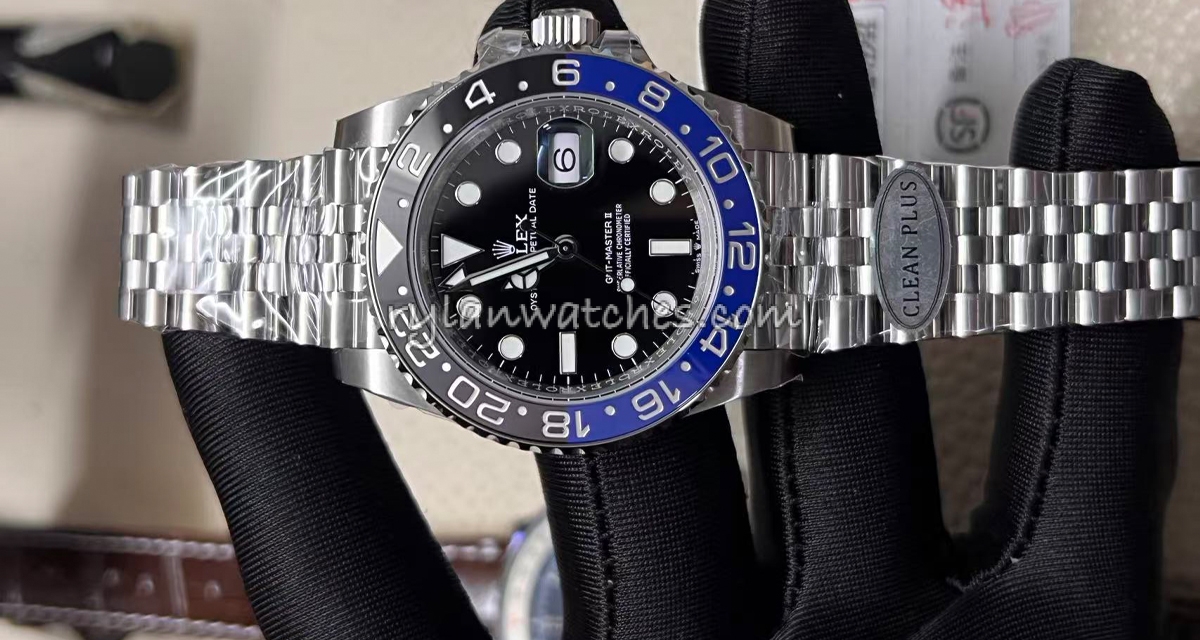
For high-grade replica watches, QC usually starts with a visual inspection. The dial should be clean, the markers should be reasonably aligned, the hands should sit properly, and the date window should appear centered enough for normal use. The case should not show obvious scratches before shipment, the bezel should sit correctly, and the crystal should be clear. On models with complicated layouts, such as chronographs, GMT watches, moonphase designs, or skeleton dials, these checks become even more important because there are more visible details that can affect the final impression.
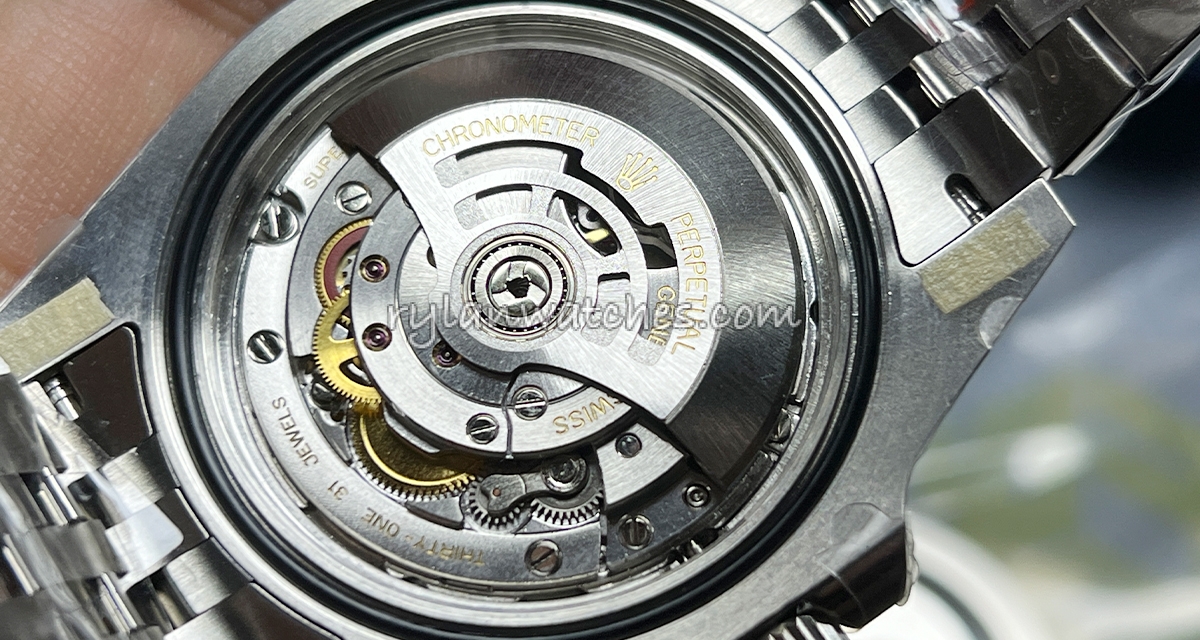
QC also includes basic functional checking. The crown should pull and push correctly. Time setting should feel smooth. Date adjustment should work when the model includes a date function. A chronograph should start, stop, and reset in a normal way. A GMT hand, moonphase display, or calendar feature should be reviewed according to the model’s design. For automatic watches, the movement should run before packing, and the watch should show basic mechanical stability during inspection.
Bracelet and strap condition is another important part of QC. A steel bracelet should connect properly to the case, the clasp should open and close securely, and the links should not feel unusually loose or sharp. Rubber straps should fit the case correctly, while leather straps should be checked for stitching, surface marks, and basic comfort. These details matter because a watch can look good in photos but still feel disappointing if the bracelet, clasp, or strap does not wear properly.
A proper replica watch QC process is therefore a combination of visual review, handling check, movement check, and final packing confirmation. It does not remove every possible risk, but it helps identify obvious problems before the watch leaves the supplier. For buyers, understanding QC helps set the right expectation: the goal is to receive a watch that has been inspected for practical quality, not a watch that should be treated as an official factory-certified product.
Why QC Matters Before Shipping
QC matters before shipping because a replica watch is not a simple product that can be packed without inspection. Even when a model comes from a well-known factory or a trusted production batch, small differences can still appear from one watch to another. Dial printing, bezel alignment, clasp tightness, bracelet finishing, date positioning, hand placement, and movement behavior may vary slightly between individual pieces. A careful pre-shipping check helps reduce the chance of sending a watch with an obvious issue.
This is especially important for 1:1 super clone watches because buyers usually expect a higher level of visual accuracy and finishing. Compared with lower-grade replicas, super clone models often include more complex case shapes, better bracelet construction, sapphire crystal, ceramic-style bezels, decorated movements, functional chronographs, GMT hands, moonphase displays, or skeletonized dials. The more detailed the watch is, the more important it becomes to check the visible and functional elements before shipment.
Pre-shipping QC also helps protect the buyer’s experience during international delivery. Once a parcel leaves the supplier, resolving a problem becomes slower and more complicated. International shipping may involve customs processing, local carrier handover, delayed tracking updates, and long-distance handling. If an obvious defect is found before packing, it is usually much easier to address it before the watch enters the shipping process. This is why QC should happen before dispatch, not only after a customer receives the item.
Another reason QC matters is that many replica watch buyers compare models through photos, reviews, factory names, and online discussions. These sources can help with research, but they cannot replace checking the actual watch being shipped. A model may have a good reputation overall, yet the individual piece still needs to be reviewed for alignment, surface condition, crown operation, bracelet fit, and basic movement behavior. QC connects the online expectation with the physical watch that is prepared for the buyer.
For buyers who are new to this category, QC also helps explain why order preparation may take time. A good order process is not only about receiving payment and creating a tracking number. The watch may need to be prepared, checked, photographed when applicable, packed carefully, and then handed to the carrier. This extra step can feel slower than a typical one-click retail order, but it is an important part of reducing avoidable problems and improving the final ownership experience.

Dial, Hands and Marker Alignment Check
The dial is one of the first areas checked during replica watch QC because it has the strongest effect on the buyer’s first impression. A watch can have a well-finished case and a stable movement, but if the dial printing, hour markers, hands, or date window look noticeably misaligned, the overall appearance will feel less convincing. This is especially true for high-recognition models where small visual details are easy to notice.
During dial inspection, the main focus is on balance and consistency. The logo should sit in the correct visual position, the hour markers should follow the dial layout evenly, and printed text should appear clean at normal viewing distance. On watches with applied markers, each marker should be checked for obvious tilt, uneven spacing, or visible glue marks. For models with date windows, the date should appear reasonably centered and readable, without sitting too high, too low, or too far to one side.
Hands are another important part of the QC process. The hour, minute, and seconds hands should be properly installed, move without obstruction, and align in a visually acceptable way. On chronograph watches such as Daytona-style models, the central chronograph hand and sub-dial hands should be reviewed to make sure they sit correctly and reset in a normal position. For GMT watches, the additional hand should move as expected and should not interfere with the main time display.
Some models require more detailed dial checks because their design depends heavily on symmetry. A Royal Oak-inspired watch may need careful review of its tapisserie-style dial texture, marker placement, and date window position. A Nautilus-style watch relies on horizontal dial texture and clean marker spacing. A Submariner-style diver depends on strong lume marker balance and clear readability. These checks help ensure the watch looks coherent before shipping.
It is important to understand that QC should be judged with realistic expectations. Close-up photos can make small details look more dramatic than they appear on the wrist. Lighting, camera angle, macro zoom, and reflection from the crystal may exaggerate tiny differences. The goal of dial QC is not to promise absolute perfection under magnification, but to confirm that the watch looks properly assembled, visually balanced, and suitable for normal daily wear.
Bezel, Crystal and Case Inspection
The bezel, crystal, and case are checked carefully because they define the outer structure of the watch. These areas are highly visible during daily wear, and they often reveal the difference between a poorly finished replica and a better-made super clone. Even when the dial looks clean, a misaligned bezel, cloudy crystal, rough case edge, or visible surface mark can affect the overall wearing experience.
Bezel inspection depends on the model. On dive-style watches such as the Submariner collection or Seamaster-style models, the bezel should sit evenly and align properly with the dial markers. The insert printing should look clean, and the pip or triangle marker should not appear obviously off-center. On chronograph models such as the Daytona collection, tachymeter printing, bezel color, and outer edge finishing are important because these details frame the entire watch face.
The crystal is another key point. Most high-grade super clone watches use sapphire crystal or sapphire-style crystal, which should appear clear, properly fitted, and free from obvious scratches before shipment. During QC, the crystal is checked under light to make sure there are no visible cracks, deep marks, dust trapped beneath the surface, or unusual distortion that affects readability. Reflections can appear in photos, but the actual crystal should look clean during normal viewing.
Case finishing is especially important on watches with strong design geometry. A Royal Oak-style case depends on brushed surfaces, polished bevels, bezel screws, and sharp transitions. A Nautilus-style case relies on smooth curves and balanced side profiles. A Richard Mille-style case uses layered construction and visible screws, while Panerai-style models depend on cushion-case shape and crown-guard alignment. Each design has its own inspection priorities, but the goal is the same: the case should look clean, structurally balanced, and free from obvious pre-shipping damage.
Caseback details, crown operation, side profile, lugs, and visible engravings may also be reviewed when relevant. Engravings should appear clean enough for the model style, the crown should sit properly, and the lugs should connect securely with the bracelet or strap. These checks do not turn the watch into a genuine item, but they help confirm that the exterior construction is acceptable before the watch is packed and shipped.
Bracelet, Strap and Clasp Check
The bracelet, strap, and clasp are important parts of replica watch QC because they affect how the watch feels in real use. A watch may look impressive in photos, but if the bracelet feels loose, the clasp does not close securely, or the strap does not sit properly against the case, the ownership experience can feel much less refined. For many buyers, comfort and wearing confidence are just as important as dial accuracy or case finishing.
For steel bracelet models, QC usually includes checking the end links, bracelet links, screw pins, clasp action, and general fit. Oyster-style bracelets should feel stable and practical, while Jubilee-style bracelets should not feel excessively loose or uneven. Integrated bracelet designs, such as Royal Oak or Nautilus-inspired models, require extra attention because the bracelet flows directly into the case. If the end-link fit or bracelet transition looks wrong, the entire watch can feel less convincing on the wrist.
Clasp inspection is another key step. The clasp should open and close normally, hold securely, and not feel unusually sharp or unstable. Folding clasps, hidden clasps, deployant clasps, and sport-style safety clasps all have different structures, but each should function smoothly enough for daily use. On models with engraved clasps, the engraving should appear clean and properly positioned for the style of the watch.
Rubber and leather straps are checked differently. A rubber strap should sit securely against the case, feel flexible enough for normal wear, and connect properly to the buckle or deployant clasp. This is especially important for Hublot, Richard Mille, Panerai, and Aquanaut-inspired models, where strap fit strongly affects comfort. Leather straps should be reviewed for surface marks, stitching quality, hole placement, edge finishing, and overall alignment with the case.
During QC, the goal is to confirm that the bracelet or strap is suitable for practical wear before the watch is packed. Minor stiffness can be normal on a new bracelet or strap, and some leather straps may soften after use. However, obvious clasp failure, incorrect strap fit, broken screws, sharp unfinished edges, or severe looseness should be identified before shipping whenever possible. This step helps ensure the watch is not only visually acceptable, but also comfortable and usable when it arrives.

Movement and Function Testing
Movement and function testing is one of the most important parts of replica watch QC because a watch is not only judged by how it looks. It also needs to run, set, and operate in a normal way before shipping. Even when the exterior finishing appears clean, basic mechanical issues can affect the ownership experience, especially on automatic watches, chronographs, GMT models, moonphase watches, and calendar-style designs.
For automatic mechanical watches, QC usually includes checking whether the movement starts properly, whether the crown can wind the watch, and whether the hands move smoothly when setting the time. The crown should pull out and push back in without feeling unusually loose or stuck. The watch should run during inspection, and the seconds hand should move in a normal sweeping pattern according to the movement type.
Date and calendar functions are also reviewed when the model includes them. A date wheel should change correctly, and the date should appear reasonably centered in the window. On more complicated models, such as moonphase, annual calendar, or multi-display watches, the relevant functions should be checked according to the watch’s design. These features require more attention because small alignment or adjustment issues can become more noticeable during daily use.
Chronograph models require a separate check. The chronograph should start, stop, and reset as expected. The central chronograph hand should return to its reset position, and the sub-dial hands should operate in a normal way for the movement used in that model. For Daytona-style, Speedmaster-style, Breitling-style, and other chronograph watches, this step is especially important because buyers often pay close attention to sub-dial layout and hand behavior.
GMT watches also need functional review. The GMT hand should move correctly when adjusted, and the main time display should remain readable and stable. On travel-style models, the additional hand is part of the watch’s identity, so it should not feel decorative only. The same principle applies to visible skeleton watches, tourbillon-style designs, and open-worked models: the movement display should look clean, stable, and consistent with the expected model style.
It is important to understand that movement QC is a practical pre-shipping check, not a lifetime performance guarantee. Mechanical watches can be affected by usage habits, shock, magnetism, temperature, position, and maintenance. A watch may run well during inspection and still require normal care over time. QC helps reduce obvious functional problems before dispatch, but buyers should still treat automatic replica watches as mechanical products that need careful handling.
Timing Accuracy and Realistic Expectations
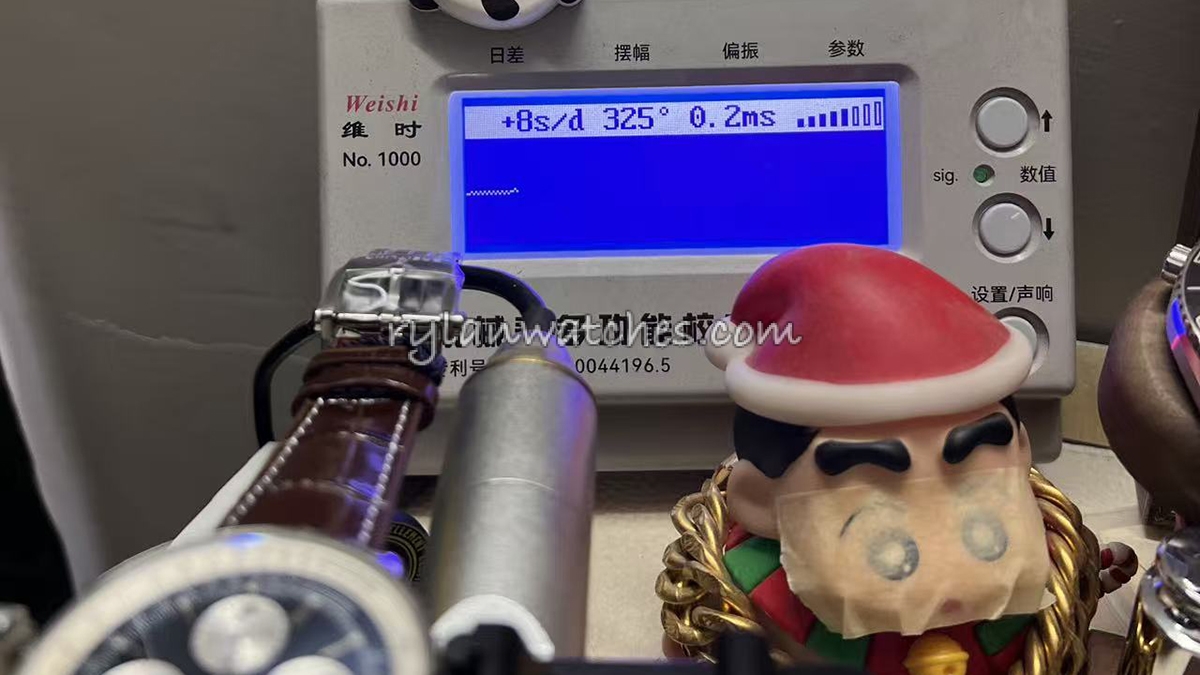
Timing accuracy is an important part of replica watch QC, but it should be understood with realistic expectations. A high-grade automatic replica watch can be suitable for daily wear when the movement is properly assembled and regulated, but it is still a mechanical watch. Unlike a quartz watch, an automatic movement depends on springs, gears, balance regulation, wrist movement, position, and general handling conditions. Small time variation is normal.
During QC, the watch may be checked to confirm that it is running and that the movement appears stable before shipping. If the watch stops quickly, runs irregularly, or shows an obvious functional issue during inspection, it should be reviewed before dispatch. However, QC does not mean the watch will keep the exact same accuracy in every situation after delivery. Mechanical behavior can change depending on how often the watch is worn, how it is stored overnight, how fully it is wound, and whether it experiences shock or magnetism.
Buyers should also understand that different movements may behave differently. Some super clone watches use higher-grade automatic movements, while others use more basic mechanical calibers depending on the model, factory version, and price level. A simple three-hand watch may be easier to regulate than a chronograph, GMT, moonphase, or skeletonized model with more visible or functional complexity. This is why accuracy should be judged together with the watch’s design, movement type, and intended use.
For daily ownership, the most practical expectation is stable usability rather than laboratory-level precision. If a watch keeps time consistently enough for normal wear, sets correctly, and does not show obvious irregular movement behavior, it can usually serve its purpose well. Small daily gain or loss is common for mechanical watches and does not automatically mean the watch is defective.
Good QC helps identify obvious timing or running problems before shipping, but it cannot remove every future variable. Buyers should avoid strong impact, magnetic environments, unnecessary chronograph use, moisture exposure, and rough crown operation. Treating the watch carefully after delivery is just as important as the inspection performed before dispatch.
Water Resistance and Care During QC
Water resistance is one of the most misunderstood parts of replica watch ownership, so it should be explained clearly in any serious QC process. Many replica watches display water-resistance markings on the dial, caseback, or product description because the original model includes those markings. However, these markings should not be treated as a guarantee that the replica watch can perform like the genuine model under real water pressure.
During QC, the watch may be checked for basic exterior condition, crown operation, caseback fit, and visible assembly consistency. These checks help confirm that the watch is properly put together before shipping, but they are not the same as professional pressure testing. Unless a watch has been specifically pressure-tested by a qualified technician, it should not be used for swimming, diving, showering, saunas, hot tubs, or prolonged water exposure.
This is especially important for dive-style watches. A Submariner-style, Seamaster-style, Panerai Submersible-style, or Superocean-style replica may look like a professional dive watch, but the visual design does not automatically mean the same water performance as the original. Crown seals, caseback gaskets, crystal fitting, pressure tolerance, and long-term seal condition can vary between models and batches.
For safer daily use, buyers should treat most replica watches as splash-resistant at most. Light exposure from careful handwashing or rain may be less concerning when the crown is fully closed, but the watch should still be dried quickly and kept away from hot water, steam, soap, salt water, and sudden pressure changes. Heat and moisture can damage gaskets, affect the movement, and create condensation under the crystal.
Water damage, moisture, condensation, and corrosion are generally not covered under warranty because they can result from use conditions outside the seller’s control. Before wearing the watch, always make sure the crown is closed securely and avoid testing water resistance yourself. For more details on coverage limits, review our warranty and exchange policy.

QC Photos and Buyer Communication
QC photos can help buyers understand the actual watch being prepared before shipment. When photos or order updates are provided, they are usually intended to show the watch’s visible condition, dial layout, case finish, bracelet or strap fit, and sometimes basic function. This gives the buyer a clearer view of the specific piece rather than relying only on product listing images or general factory descriptions.
A typical QC photo set may include the front dial view, side case view, clasp or bracelet detail, caseback, crown area, and sometimes short functional checks depending on the model. For watches with more complex designs, such as chronographs, GMT watches, skeleton dials, or tourbillon-style models, photos can also help confirm whether the main visual elements look properly aligned before dispatch.
However, QC photos should be interpreted realistically. Lighting, camera angle, reflection from sapphire crystal, zoom level, and phone camera processing can affect how the watch appears. A dial may look warmer or cooler under different light. A polished case may reflect the surrounding environment. A tiny dust mark on the outside of the crystal may look more obvious in a close-up photo than it does in normal wear. This is why QC photos are useful, but they should not be judged the same way as laboratory macro photography.
Communication during QC is also important. If there is a visible concern, the buyer can ask for clarification before the watch is shipped. In many cases, small questions can be resolved by checking another angle, confirming whether a mark is dust or reflection, or explaining how a function works. This is much easier before dispatch than after international shipping has already started.
The purpose of QC communication is not to create unrealistic expectations of a flawless museum-grade object. It is to make the buying process more transparent, reduce uncertainty, and confirm that the watch is suitable for shipment. For buyers ordering a high-grade replica watch internationally, this step can provide useful reassurance before the parcel leaves the supplier.
What QC Cannot Guarantee
A clear QC process is valuable, but it is also important to understand what QC cannot guarantee. Replica watch QC is a practical pre-shipping inspection, not an official brand certification, not a professional authentication service, and not a promise that the watch will be identical to the genuine model in every technical detail. The purpose is to reduce obvious issues before dispatch, not to remove every possible difference between a replica and an original luxury watch.
QC cannot guarantee that a replica watch will match the genuine model under expert inspection. A trained watchmaker, collector, or authentication specialist may still identify differences through movement architecture, finishing under magnification, serial verification, caseback construction, dial printing, engraving depth, bracelet tolerance, or internal components. High-grade super clone watches can look very convincing in normal daily use, but they should not be represented as genuine products.
QC also cannot guarantee long-term movement behavior under every condition. A watch may run normally before shipping, but mechanical performance can still be affected by shock, magnetism, moisture, temperature changes, winding habits, crown operation, or lack of maintenance. Automatic movements are mechanical systems, and even well-prepared watches require careful use over time.
Water resistance is another area where QC has limits. Exterior inspection may confirm that the crown, caseback, and crystal appear properly fitted, but this is not the same as professional pressure testing. Unless a watch has been independently pressure-tested, it should not be used for swimming, showering, diving, hot water, steam, or prolonged water exposure. Water damage remains one of the most common issues that QC cannot fully prevent.
QC also cannot control customs processing, carrier delays, tracking update speed, or handling conditions after the parcel leaves the supplier. A watch can be checked and packed carefully, but international delivery still depends on logistics networks, destination-country scans, customs review, and local carrier movement. This is why buyers should view QC as an important risk-reduction step, not a complete guarantee against every future issue.
What Happens After QC Is Completed?
After QC is completed, the watch moves into the final preparation stage before shipping. This usually includes confirming the model, checking the exterior condition one last time, preparing the strap or bracelet, cleaning visible surfaces when needed, and making sure the watch is ready to be packed securely. The goal is to avoid unnecessary handling once the inspection process has been completed.
Final packaging is important because replica watches are often shipped internationally. The watch should be protected from movement inside the parcel, and the packaging should be discreet enough for safe delivery. Depending on the order and destination, packaging may be adjusted to reduce unnecessary attention during transit while still keeping the watch protected from normal handling.
Once the parcel is prepared, a tracking number may be generated and provided to the buyer. In some cases, tracking information may not update immediately. This is common with international shipments because the parcel may first move through internal logistics, export processing, or carrier transfer before receiving a visible scan in the destination country. Buyers should not assume the parcel is lost simply because the tracking page does not show full movement right away.
For many international orders, tracking becomes clearer after the parcel reaches the destination country and receives its first local carrier scan. Before that point, the tracking page may show limited information, a label-created status, or a waiting-for-package message. This delay can be frustrating, but it is a normal part of some cross-border shipping routes.
After shipment, buyers can monitor delivery through the tracking page and contact support if there is an unusual delay. For more details about delivery expectations, customs-related timing, and tracking updates, you can review our shipping policy or check your order through the shipment tracking page.
Final Advice Before Buying a Super Clone Watch
Before buying a super clone watch, it is important to understand both the value and the limits of QC. A good inspection process can reduce obvious problems, confirm the watch’s basic condition, and provide more confidence before shipping. However, QC should not be confused with official brand authentication, genuine factory testing, or a promise that the watch will behave exactly like the original luxury model in every possible situation.
The best buying experience usually comes from choosing a model that fits your real lifestyle. If you want a versatile daily watch, a Submariner-style diver, Datejust-style daily watch, or Seamaster-style sport model may be easier to wear regularly. If you prefer stronger visual identity, a Daytona-style chronograph, Royal Oak-inspired model, or Richard Mille-style skeleton watch may feel more distinctive.
Buyers should also read the important support pages before ordering. The super clone watches FAQ explains common questions about payment, shipping, warranty, legality, and water exposure. The warranty and exchange policy explains what is covered and what is excluded. The shipping policy helps set realistic expectations for international delivery and tracking updates.
A replica watch QC guide is useful because it helps buyers understand what happens before dispatch and why preparation takes time. It also helps prevent common misunderstandings after delivery. A super clone watch can be a convincing and enjoyable alternative for daily wear, but it should still be treated as a mechanical replica product that requires careful handling, realistic expectations, and normal long-term care.
If you are ready to compare different models, you can browse our luxury replica watches shop or explore watches by brand through our super clone watch brands page.
Replica Watch QC Guide FAQ
What is QC for replica watches?
QC means quality control. For replica watches, it refers to the pre-shipping inspection process used to check the watch’s visible condition, dial alignment, bezel position, bracelet or strap fit, basic movement function, and overall readiness before the order is packed and shipped.
Do all replica watches need QC before shipping?
Yes, especially high-grade replica and super clone watches. These watches often include more detailed case finishing, automatic movements, chronograph functions, GMT hands, date windows, or skeletonized dials, so checking the actual watch before dispatch helps reduce avoidable problems.
Does QC mean the watch is identical to the original?
No. QC does not mean the watch is identical to the genuine model, and it is not an official brand authentication process. It is a practical inspection to confirm that the replica watch looks properly assembled, runs normally during checking, and is suitable for shipment.
Is water resistance tested during QC?
Standard QC usually checks exterior condition, crown operation, caseback fit, and visible assembly quality, but this is not the same as professional pressure testing. Unless a watch has been specifically pressure-tested, it should not be used for swimming, showering, diving, hot water, or prolonged water exposure.
What happens after QC is completed?
After QC is completed, the watch is prepared for final packing, protected for international shipping, and assigned a tracking number when available. Tracking may not update immediately and often becomes clearer after the parcel receives its first scan in the destination country.