Learning how to maintain a replica Rolex is less about aggressive cleaning and more about preventing avoidable damage. A soft cloth, a secured crown, careful storage and prompt attention to moisture or unusual movement behavior will do more for the watch than frequent polishing or unnecessary disassembly.
This guide gives you a practical care schedule for Rolex-inspired automatic watches. Because movement, plating, crystal, bracelet and water-resistance specifications vary between products, always use the specifications for your exact watch as the final reference.
Replica Rolex Maintenance at a Glance
Wipe away fingerprints, sweat and moisture with a clean microfiber cloth.
Inspect the crown, bracelet screws, clasp, crystal and caseback for visible changes.
Use water only after the individual watch has passed an appropriate pressure test.
Stop using the affected function and consult an independent watchmaker promptly.
How to Maintain a Replica Rolex Without Damaging It
Start by identifying the materials and functions of the exact watch. A steel bracelet can tolerate different care from a leather strap. A plated or coated case may react differently from bare stainless steel. A simple automatic watch is also easier to operate than a chronograph or GMT with additional controls.
Check the product page or order description for the movement, case finish, crystal, strap or bracelet and any tested water-resistance information. If the specification is missing, use the more cautious method. This prevents a generic cleaning recommendation from damaging a finish, strap or seal that was never designed for that treatment.
Keep a basic care kit with a clean microfiber cloth, a second slightly damp cloth, a soft dry brush and a padded storage surface. Do not use household polish, toothpaste, alcohol, bleach, window cleaner or abrasive paste. These products can alter coatings, attack seals or leave an uneven finish.
A Safe Cleaning Routine for the Case and Bracelet
Routine cleaning should be gentle. First remove loose dust with a dry cloth or soft brush. Wiping gritty particles directly across polished metal can create fine marks. Then use a clean microfiber cloth to lift skin oils from the case, crystal, bezel and clasp.
For an Untested Watch
- Make sure the crown is in its normal secured position.
- Brush dry debris away from the bracelet links, bezel edge and clasp.
- Wipe the watch with a dry microfiber cloth.
- For a stubborn mark, use a second cloth that is only lightly damp—not dripping.
- Dry the surface immediately and allow the watch to air-dry before storage.
Do not place the watch under a tap and do not soak it. A lightly damp cloth gives you more control around the crown, pushers and caseback.
For a Watch That Has Passed a Current Pressure Test
Follow the testing watchmaker’s instructions and the limits of the test. Even then, avoid hot water, steam and operating the crown or pushers while the watch is wet. Heat and sudden temperature changes can stress seals, while an open control creates a direct path into the case.
If the bracelet is removable and you know how to remove it without scratching the lugs, cleaning the bracelet separately is safer than exposing the complete watch to water. Otherwise, ask a watchmaker to handle it.
Leather, Rubber and Coated Surfaces
Leather should be kept away from soaking, sweat buildup and direct heat. Wipe it gently and let it dry naturally. Rubber straps can usually be wiped with a damp cloth, but cleaners and oils may change their surface. Plated, painted, PVD-style or other coated parts should never be polished with an abrasive product. When unsure, test nothing—use a dry cloth and request material-specific advice.
Polishing Scratches: Why Less Is Better
Fine marks are normal on a regularly worn watch. Repeated polishing removes material, softens edges and can blur the contrast between brushed and polished surfaces. DIY polishing can also round the bezel, lugs or bracelet edges and make the result look less precise than the original wear.
Use a plain microfiber cloth for cleaning, not a metal-polishing cloth for routine maintenance. Leave deep scratches, dents and refinishing to a professional who can identify the case material and reproduce the correct finish direction. A plated or coated component may require replacement rather than polishing.
Winding, Setting and Using the Crown Correctly
Automatic movements store energy in a mainspring and replenish it through wrist motion. If the watch stops, a few slow turns may restart it, but the correct winding direction and recommended number of turns depend on the installed movement. Do not force the crown or assume that one Rolex-inspired model operates exactly like another.
- Remove the watch from your wrist before winding or setting it; this reduces sideways pressure on the stem.
- Turn the crown slowly and stop if it becomes unusually stiff, gritty or inconsistent.
- Confirm the correct crown position before changing the time, date, GMT hand or other function.
- When movement instructions are unavailable, avoid quick-setting the date around the movement’s normal date-change period.
- Never operate a crown or chronograph pusher underwater or while the case is wet.
- After setting, return and secure the crown gently. Tight is not the same as forced.
A chronograph adds more moving parts and controls than a simple three-hand watch. Use the start, stop and reset sequence stated for the exact movement. If a pusher sticks or a hand fails to reset, do not keep pressing it. Owners comparing movement types can use the replica watch movement guide for broader service and ownership considerations.
Water Resistance and Condensation Warning Signs
Water resistance belongs to the individual assembled watch, not just the model name. Seals, crown tubes, crystals, pushers and casebacks all contribute to the result. A listing may describe an intended rating, but only an appropriate test on the actual watch can give useful current evidence.
Arrange a fresh test after the case has been opened, after a hard impact, when the crown feels different or before planned swimming. For an untested watch, avoid showers, pools, sea water, saunas and steam rooms. Soap and chemicals add another risk, while heat creates changing pressure and expansion.
Stop wearing and operating the watch. Do not use a hair dryer, oven, heater or direct sunlight, and do not repeatedly pull or turn the crown. Place the watch in a dry, protected position and contact a qualified independent watchmaker as soon as possible. Visible moisture is an urgent service issue, not a normal condition that should be allowed to “dry by itself.”
How to Store a Replica Rolex Properly
Store the watch in a clean, dry location with a stable indoor temperature. A padded watch box or soft individual pouch protects the crystal, clasp and polished surfaces from contact with jewelry, keys and other watches. Make sure the watch is dry before closing it in a case.
Keep it away from strong magnetic sources, heavy vibration and places with rapid temperature changes. If the watch suddenly gains or loses time, magnetism is one possible cause, but it is not the only one. A watchmaker can test and diagnose the movement instead of relying on guesswork.
Do You Need a Watch Winder?
A winder is optional, not a maintenance requirement. Letting an automatic watch stop normally does not mean that it has been damaged. A winder may be convenient for a watch with a complicated calendar, but continuous operation also keeps the movement running when the watch is not being worn.
If you use one, choose conservative intermittent cycles and settings appropriate to the installed movement. Do not guess the direction or turns per day from the external model name. For simple watches, safe storage and manual setting before wear are often sufficient.
When Does a Replica Rolex Need Service?
There is no universal service interval for every replica Rolex because movements, assembly quality, use and parts availability vary. A fixed promise such as “service every two years” may be too early for one watch and too late for another. Establish a baseline for your watch, observe changes and arrange inspection when symptoms appear.
| Symptom | What to do | Urgency |
|---|---|---|
| Fog or droplets under the crystal | Stop use and contact a watchmaker | Immediate |
| Crown, pusher or winding suddenly feels stiff | Do not force it; request inspection | Prompt |
| Large new change in daily accuracy | Record the pattern and have the movement tested | Prompt |
| Very short power reserve or repeated stopping | Confirm normal winding, then arrange diagnosis | Prompt |
| Loose bracelet screw, clasp or spring bar | Stop wearing until the attachment is secured | Immediate fall risk |
| Normal fine exterior marks | Clean gently; avoid unnecessary refinishing | Monitor |
Choose an independent watchmaker who is willing and able to inspect the installed movement. Explain exactly what the watch is before service and ask whether the movement can be supported, whether replacement parts are available and whether pressure testing is offered. Do not send a replica product to an original-brand service center.
A complete service may involve diagnosis, disassembly, cleaning, inspection, lubrication, reassembly, regulation and testing, but the correct work depends on the fault and the movement. Read the super clone watch service guide before arranging professional work.
Daily Habits That Extend Watch Life
Do not wear a mechanical watch for heavy lifting, construction, contact sports or work with strong repeated vibration.
Apply perfume, sunscreen and lotion before the watch and let the product dry first.
Inspect bracelet screws, spring bars and the clasp so a loose part does not become a dropped watch.
Place the watch crystal-up on a clean padded surface and keep it separate from keys and jewelry.
Avoid dashboards, heaters, steam rooms and other rapid or extreme temperature changes.
A new sound, stiff control, moisture or sudden timekeeping change deserves diagnosis before continued use.
Common Replica Rolex Maintenance Mistakes
- Assuming the watch is waterproof: appearance and marketing language do not replace a current individual pressure test.
- Using toothpaste or metal polish: abrasives can alter edges, coatings and mixed brushed-polished finishes.
- Forcing the crown: resistance may indicate the wrong position, crossed threads or a mechanical problem.
- Changing the date without movement guidance: some calendar mechanisms can be stressed during engagement.
- Running a winder continuously: convenience should be balanced against unnecessary movement operation.
- Using heat to remove condensation: visible moisture requires prompt professional attention.
- Waiting until the watch stops permanently: earlier diagnosis may prevent a smaller problem from becoming a larger repair.
- Polishing every scratch: normal wear is usually less damaging than repeated refinishing.
Care Starts Before You Wear the Watch
Good maintenance begins with accurate product information and inspection. Confirm the exact movement, functions, materials and stated testing before use. The replica watch QC guide explains what can be reviewed on the individual piece before dispatch, while the super clone watch materials guide helps distinguish the care needs of steel, titanium, ceramic and coated components.
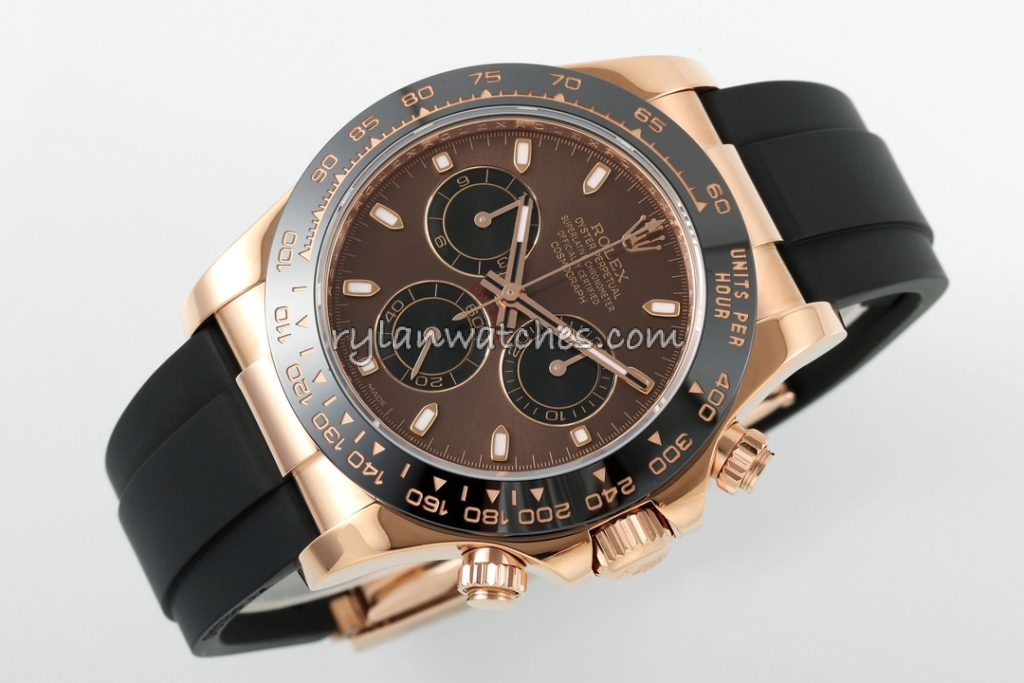
Different designs also create different maintenance priorities. A Submariner-style watch requires realistic water expectations and bezel care. A Daytona-style chronograph adds pushers and chronograph operation. A GMT-Master II-style watch adds a second-time-zone setting system. Follow the product-specific instructions instead of applying one routine blindly to every model.
How to Maintain a Replica Rolex: FAQ
How often should I clean a replica Rolex?
Wipe it with a clean microfiber cloth after sweaty, dusty or wet wear. Perform a more careful visual inspection monthly. Use water only when the individual watch has a suitable current pressure test and the cleaning method matches its materials.
Can I wash a replica Rolex under the tap?
Not unless the individual watch has passed an appropriate pressure test and the testing professional confirms that use. For an untested watch, use a dry or lightly damp cloth and avoid direct running water or immersion.
Can I shower or swim with it?
Do not assume so from the design or product title. Showers introduce heat, steam and soap. Swimming adds sustained water pressure and, in pools or the sea, chemicals or salt. Use the watch in water only within the limits of a current individual test.
How many times should I wind it?
The correct method depends on the installed movement. Use its instructions and stop if the crown feels abnormal. A universal number cannot safely describe every automatic movement sold in a Rolex-inspired case.
Is a watch winder necessary?
No. It is a convenience for some owners, not a requirement. If used, its direction and cycle should match the installed movement; otherwise, padded storage and careful manual setting are normally sufficient.
What should I do if the crystal fogs?
Stop wearing and operating the watch, keep it away from direct heat and contact a qualified independent watchmaker promptly. Condensation indicates moisture inside the case and should not be treated as normal.
How often does a replica Rolex need service?
There is no single interval for every movement and usage pattern. Arrange inspection when accuracy changes substantially, power reserve shortens, controls feel abnormal, moisture appears or the case has been opened and water testing matters.
Build a Simple Replica Rolex Care Routine
The safest answer to how to maintain a replica Rolex is straightforward: clean gently, keep untested watches out of water, operate the crown without force, store the watch separately and respond quickly to mechanical or moisture warning signs. Consistent moderate care is more valuable than aggressive polishing or unnecessary servicing.
Explore the current replica Rolex collection and check each product page for its listed movement, materials, functions and available options. Keep those details with your order so future care decisions are based on the exact watch rather than a generic model name.
Trademark notice: Replica products are independently produced and are not manufactured, authorized or endorsed by Rolex. Rolex and its model names are trademarks of their respective owner.