Super clone watch trends in 2026 are less about one dramatic breakthrough and more about better-informed comparison. Buyers are looking beyond broad labels and paying closer attention to the exact model, movement, materials, dimensions, functional layout and quality-control evidence.
This guide explains the changes that matter when comparing current super clone watches in 2026. It does not assume that every watch, factory or production batch shares the same specification. Instead, it shows which details deserve attention and how those details affect fit, appearance, usability and long-term ownership.
Exact specifications matter more than a broad quality label.
Architecture, functions and serviceability shape ownership.
Steel, titanium, ceramic and composites create different trade-offs.
Clear photographs and functional checks carry more value than slogans.
Thickness, bracelet fit and wrist balance influence daily satisfaction.
Payment, shipping, maintenance and policies are part of product value.
What Changed from the 2025 Super Clone Market?
The most useful change is not a claim that every new watch has suddenly become more accurate. It is the growing importance of product-specific information. A label such as “1:1,” “Swiss grade” or a factory name may describe a seller’s positioning, but it does not by itself confirm the movement, steel grade, crystal, water resistance or working functions of an individual watch.
That distinction matters because two watches with similar photographs may differ in case thickness, movement construction, bracelet feel or functional subdials. Even different production runs of the same reference can change. The practical 2026 approach is therefore to compare the exact watch being offered instead of relying on assumptions about an entire factory or quality category.
What “trending” means in this market
A trending model is not simply the newest or most photographed watch. It usually combines recognizable design, repeat buyer interest, wearable proportions and a configuration that can be explained clearly on the product page. Familiar dive watches, integrated-bracelet sports models, classic chronographs and cleaner three-hand designs can all trend for different reasons.
Use a trend as a starting point, not as a substitute for personal choice. A popular 44mm sports watch may be the wrong option for a smaller wrist, while a quieter 38–40mm design may deliver more daily use. The strongest trend signal is therefore not hype alone; it is the overlap between visual appeal, practical fit, understandable functions and an ownership experience the buyer is comfortable maintaining.
New buyers should begin with the broader super clone watch buying guide. Buyers deciding between general replica tiers can also review the difference between a super clone and a standard replica.
Trend 1: Exact Specifications Matter More Than Marketing Labels
In 2026, the strongest product page is not necessarily the one making the largest claim. It is the one that helps a buyer confirm the watch’s real configuration. Useful information includes the reference-inspired design, case diameter and thickness, movement type, crystal, case material, strap or bracelet, clasp, functions and available quality options.
Model-specific photographs are equally important. Buyers should be able to compare the dial printing, date window, bezel markings, hand alignment, case profile, crown, caseback and clasp. When a listing offers several quality levels or color options, the photographs and specifications should make clear which details belong to the selected variation.
Trend 2: Movement Choice Has Become a Buying Decision
The movement affects more than the sweep of the seconds hand. It determines the position and behavior of the crown, date adjustment, chronograph or GMT functions, power reserve expectations and future service options. A movement that visually resembles an original caliber may also differ internally from one designed primarily for reliability and easier maintenance.
Neither approach is automatically best for every buyer. A display-back dress watch may place more importance on visual architecture. A daily sports watch may benefit from a simpler movement that a local watchmaker can understand. A chronograph buyer should confirm whether the pushers and subdials perform the functions shown in the listing rather than assuming every indicator is operational.
The Swiss-style versus Japanese movement guide explains the major trade-offs. For any model, the seller’s written product specification should remain the source for what is actually installed.
Trend 3: Materials Are Expanding Beyond One Steel Grade
Stainless steel remains common, but current collections also include titanium, ceramic, carbon-style composites, gold-tone finishes and mixed-material cases. This variety gives buyers more design choices, but each material changes the watch’s weight, scratch behavior, appearance and repair considerations.
| Material direction | Typical appeal | What to confirm |
|---|---|---|
| Stainless steel | Familiar weight, versatile appearance and broad model availability | Listed steel grade, finishing, bracelet construction and clasp |
| Titanium | Lower weight and a more technical, muted finish | Whether the case, caseback and hardware use the same material |
| Ceramic | Strong color stability and a modern surface appearance | Which components are ceramic and how replacement parts are handled |
| Composite or carbon style | Lightweight construction and a distinctive pattern | Actual construction, surface pattern and model-specific weight |
Do not assume that every super clone uses 904L steel or sapphire crystal. Those details should be stated for the selected watch. The super clone watch materials guide provides a deeper comparison.
Trend 4: Useful QC Is Replacing Generic Quality Claims
Quality control is most useful when it helps identify the actual watch and its visible condition. A large checklist number sounds impressive, but buyers gain more from clear photographs and a few relevant functional checks than from an unexplained “30-point” or “50-point” label.
A practical pre-shipment review may cover:
- the correct model, dial color, strap or bracelet and selected quality option;
- dial, hand, date-window and bezel alignment visible in clear photographs;
- crown, winding, time-setting and date-setting behavior;
- operation of the functions specifically listed for that product;
- obvious scratches, chips, loose components or bracelet damage;
- the package contents agreed for the order.
A timing-machine result can provide useful information about a mechanical movement at the moment of testing, but it is not a permanent accuracy guarantee. Water resistance is also separate: it requires a suitable pressure test and should never be inferred solely from a dive-watch appearance or screw-down crown. The replica watch QC guide provides a focused checklist for reviewing a watch before shipment.
Trend 5: Wearability Is Competing with Visual Accuracy
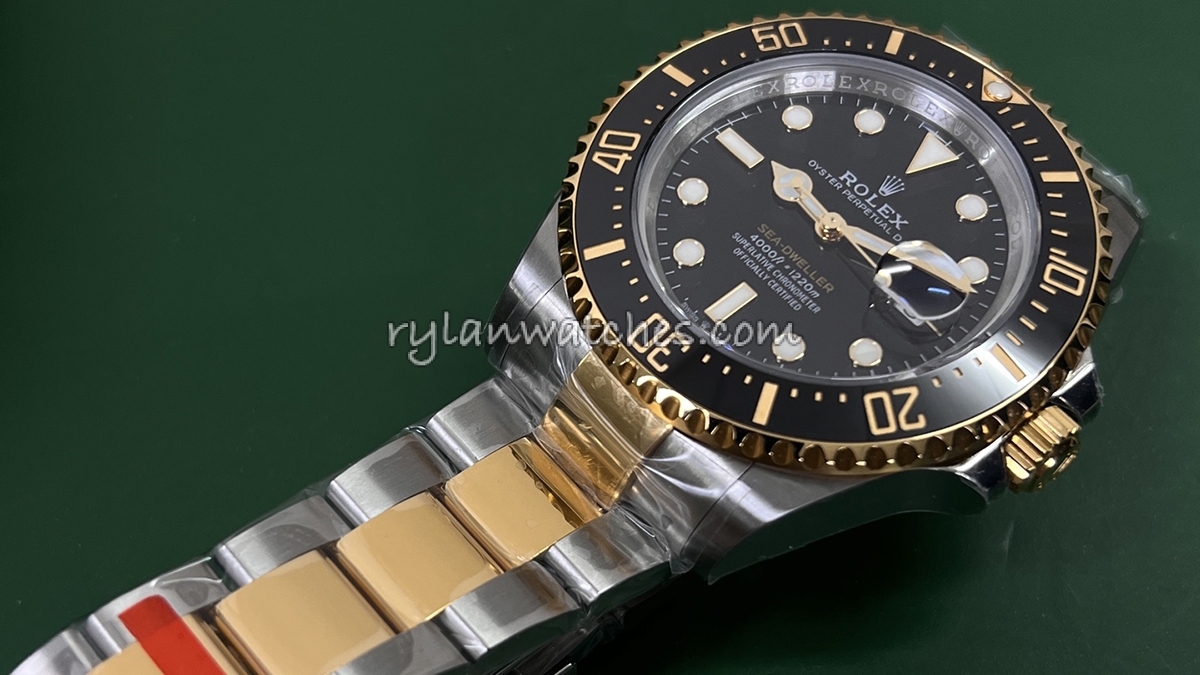
Macro photographs encourage buyers to concentrate on tiny dial details, but a watch spends most of its life on the wrist. Case diameter alone does not determine fit. Thickness, lug shape, lug-to-lug distance, bracelet taper, clasp size and total weight can make two watches with the same stated diameter feel very different.
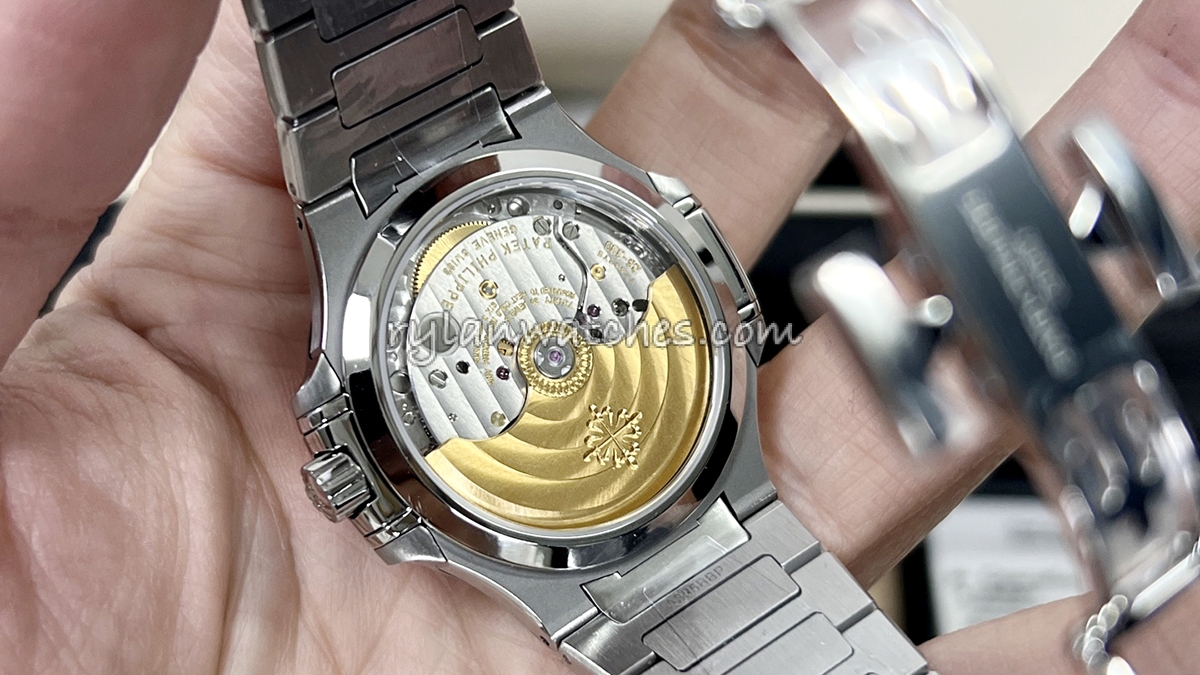
This helps explain why familiar categories continue to serve different needs. A Submariner-style watch offers a versatile sports profile, while a Nautilus-style watch emphasizes an integrated bracelet and slimmer visual line. Buyers seeking more dramatic architecture may prefer the Richard Mille collection, whereas the Cartier collection includes more formal shapes and smaller-size options.
The best 2026 choice is therefore not automatically the model that looks closest in a single photograph. It is the model whose proportions, weight, functions and design suit the buyer’s wrist and routine.
Trend 6: Ownership Support Is Part of Watch Quality
A watch can look convincing and still create a poor ownership experience if payment instructions, shipping expectations, policies or maintenance options are unclear. Buyers increasingly benefit from evaluating the complete order path alongside the product.
Before paying, review the current product description, total, selected option, shipping policy and warranty or exchange terms. If paying with cryptocurrency, verify the order, asset, network, amount and wallet address using the crypto safety guide for watch buyers. For international orders, read the customs risk guide and check the rules that apply in the destination country.
Maintenance should also influence the original purchase. Complex chronographs, GMT mechanisms and visually decorated clone movements may require different service skills. The super clone watch service guide explains how to document the watch and speak with an independent watchmaker.
Which Watch Styles Are Shaping 2026 Buying Choices?
The market is not moving toward one universal design. Instead, buyers can compare several distinct directions:
Readable dials, rotating-bezel styling and bracelets suited to frequent wear. Explore Rolex-style collections and Omega-style collections.
Case and bracelet geometry create a continuous, more refined silhouette. Compare Patek Philippe-style watches and Audemars Piguet-style watches.
Openworked layouts, tonneau cases and modern materials deliver stronger visual impact. Browse Richard Mille-style watches.
Cleaner dials, restrained proportions and leather or polished-bracelet options suit business and dress use. Explore Cartier-style watches and IWC-style watches.
How First-Time and Experienced Buyers Should Use Trends
For a first super clone watch
New buyers can use trends to reduce unnecessary variables. Start with a recognizable style, a size that suits the wrist, a clear product specification and functions that match how the watch will actually be worn. A mature three-hand, date or familiar sports layout is often easier to compare than an unusually complicated model with several displays and adjustments.
This does not mean every first watch must be simple or conservative. It means the product page should make the selected configuration easy to understand. If a chronograph, GMT, skeleton watch or mixed-material case is the preferred design, confirm the additional functions and care requirements before ordering. The first-time buyer watch guide offers a model-selection framework for that decision.
For a second or third watch
Experienced buyers can use trends to add variety rather than repeat the same purchase. If the first watch is a steel dive design, an integrated-bracelet model, aviation chronograph, formal watch or lightweight technical case can give the collection a different wearing experience. At this stage, movement architecture, material choice, bracelet construction and serviceability may matter more because the buyer already understands personal fit preferences.
A trend is most useful when it reveals a direction worth comparing. The final choice should still come from the exact model’s proportions, color, functions and expected place in the rotation.
What Buyers Should Not Assume in 2026
- “1:1” does not prove one fixed specification. The term is used broadly and should be supported by model-level details.
- A factory name does not replace inspection. Product version, batch and seller handling still matter.
- A dive-watch design does not prove water resistance. Confirm a tested rating before swimming or immersion.
- Visible subdials may not all perform the expected functions. Check the exact chronograph or calendar behavior.
- One material should not be assumed across an entire collection. Verify the case, bezel, crystal, bracelet and coating separately.
- Stock photographs do not confirm the condition of the shipped watch. Model-specific or order-specific inspection images are more useful.
A Practical 2026 Comparison Scorecard
Before choosing a model, score each candidate against the same six questions:
- Identity: Is the model, color, size and selected option clear?
- Fit: Will the diameter, thickness, lug shape and weight suit the intended wrist?
- Movement: Are the movement type and working functions explained?
- Materials: Are the case, crystal, bezel, bracelet or strap materials stated?
- Evidence: Do the available photographs and QC information support the description?
- Ownership: Are payment, shipping, customs, warranty and service expectations understood?
If one option performs well on all six, it is usually a stronger purchase than a watch supported only by a dramatic “best clone” claim. Buyers comparing their first model can continue with the best super clone watches for first-time buyers.
Frequently Asked Questions About Super Clone Watch Trends
What are the main super clone watch trends in 2026?
Current buyer priorities include clearer model-level specifications, realistic QC evidence, more attention to wrist fit, broader material choices and greater interest in movement function and serviceability. The market still supports many visual styles, so there is no single model that defines every trend.
Which watch style is best for a first-time buyer?
A versatile three-hand, date, dive or sports model with clear specifications is usually easier to compare and use. The best option still depends on wrist size, preferred design, required functions and willingness to maintain a mechanical watch.
Are complicated movements becoming more popular?
Chronographs, GMT displays, calendars and skeleton movements remain attractive, especially for buyers who value technical design. Popularity should not replace verification: confirm which functions operate, how they are adjusted and what service options may be available for the selected movement.
Do all current super clone watches use the same materials?
No. Listings may use stainless steel, titanium, ceramic, carbon-style composites, plated finishes, leather-style straps or rubber. Check the stated material for each component of the exact model rather than applying one collection-wide assumption.
Should I buy a watch only because it is trending?
No. Trends help create a shortlist, but fit, design preference, functions, product evidence, budget and ownership expectations should decide the purchase. A less fashionable watch that suits the buyer’s wrist and routine can be the better long-term choice.
Transparency, Trademarks and Responsible Buying
Replica products bearing protected branding are not manufactured, authorized or endorsed by the original watch companies. Trademark and customs rules vary by jurisdiction, and buyers should understand the laws that apply where they live and where the order is delivered. The super clone watch legality guide provides general background but is not a substitute for local legal advice.
Transparency is also relevant at resale. A replica should never be represented as an authentic watch. Keeping the order description and disclosing the watch’s nature protects future buyers and separates personal enjoyment from deception.
Super Clone Watch Trends: The 2026 Takeaway
The defining super clone watch trends of 2026 are better comparison, clearer specifications and greater attention to the ownership experience. Materials and movements remain important, but they only create value when the buyer can confirm what the selected model actually includes.
Use exact specifications, realistic photographs, functional checks, fit and after-sales considerations together. That approach is more dependable than choosing only by a factory name, quality label or claim of perfect similarity. When you are ready to compare models, browse the current replica watch collection and treat each individual product page as the source for its available options.
COMPARE CURRENT WATCH COLLECTIONS
Editorial note: Product specifications, availability, policies and regulations can change. Review the current product page and store terms before ordering. All brand names and model names belong to their respective owners and are used only to identify the designs being discussed.