1:1 super clone vs factory replica sounds like a comparison between two fixed watch grades. In practice, neither label is an independent certification. Sellers may use the same words for watches with different cases, crystals, movements, functions and quality-control standards.
The useful question is therefore not which label sounds more premium. It is whether the exact watch provides better materials, closer proportions, reliable functions and support that justify its price. This guide turns the two marketing terms into a specification-by-specification buying decision.
Usually positioned as the higher-detail tier, with more attention to proportions, finishing and movement appearance. The listing must still prove each claim.
A broad informal label often used for entry or mid-tier production. It does not identify one material, movement or quality standard.
Bottom line: compare the watch, not the badge. A clearly specified mid-tier model is a safer choice than an expensive “super clone” supported only by adjectives.
1:1 Super Clone vs Factory Replica: Side-by-Side
| What to compare | Higher-detail super clone tier | Entry or factory replica tier | Evidence to request |
|---|---|---|---|
| Case | Closer dimensions and more controlled brushing or polishing may be offered. | Generic cases or less refined transitions are more common. | Diameter, thickness, material and side-profile photos. |
| Dial and hands | Better alignment, printing and hand finishing are typical goals. | Fonts, marker spacing or date placement may be less accurate. | Straight-on, macro and illuminated photographs. |
| Crystal and bezel | Sapphire and ceramic may be listed on suitable models. | Mineral crystal, coated inserts or simpler construction may appear. | Written material specification and angled photos. |
| Movement | A model-specific or decorated movement may provide a closer layout. | Generic automatic or quartz movements are more likely. | Exact movement name, functions and timekeeping evidence. |
| Bracelet or strap | More attention may be given to articulation, clasp feel and edge finishing. | More rattle, sharper edges or simpler clasps may be accepted to reduce cost. | Clasp, end-link and wrist photos or video. |
| QC and support | The higher price should include clearer QC and better support. | Inspection and after-sales coverage may be more limited. | QC process, warranty, return and defect terms. |
Why the Grade Name Is Not Enough
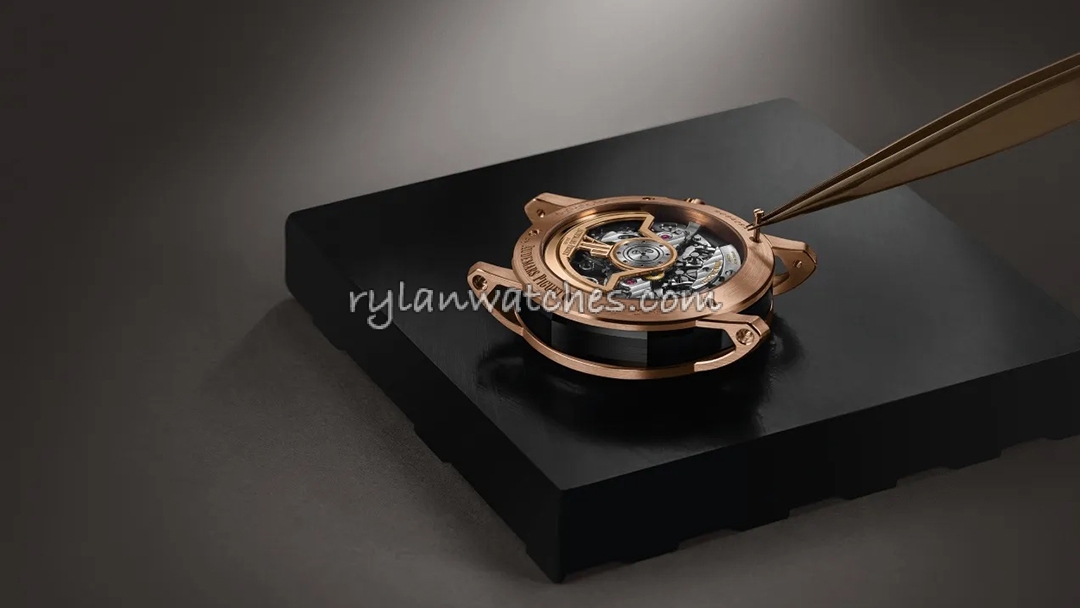
“Factory replica” does not mean every watch comes from one named factory, and “1:1” is not a measured promise that every dimension is identical to a genuine watch. These terms describe market positioning. They do not guarantee 904L steel, a Swiss movement, a particular crystal, functional complications or tested water resistance.
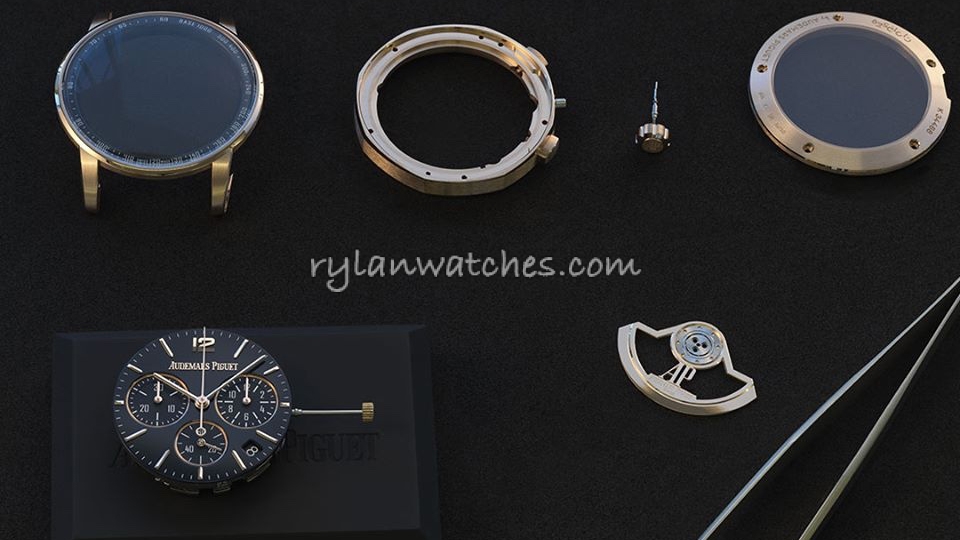
The same model can also be offered in several configurations. One version may use an automatic movement with a decorated rotor, while another uses a simpler caliber behind a closed caseback. A chronograph-style dial may have fully operating registers on one watch and a different functional layout on another. That is why the exact product page and selected option must take priority over category language.
For the underlying terminology, read super clone vs replica differences. When you are ready to compare a particular listing, use the specifications below rather than trying to identify quality from price alone.
Compare the Exterior in Three Views
A straight-on photograph shows dial balance, but it cannot reveal the complete case. Check the watch from the front, side and wrist angle. The front view should show marker alignment, date-window position, hand length, printing and bezel centering. The side view reveals thickness, crystal height, crown position and the transition between brushed and polished surfaces. A wrist view helps judge how the lugs, bracelet and clasp actually fit.
Material names should be explicit. Stainless steel grades, titanium, ceramic, sapphire and plating are different claims and should not be inferred from color or shine. The super clone watch materials guide explains what each material changes in weight, scratch behavior, appearance and cost.
Movement Layout and Movement Performance Are Different
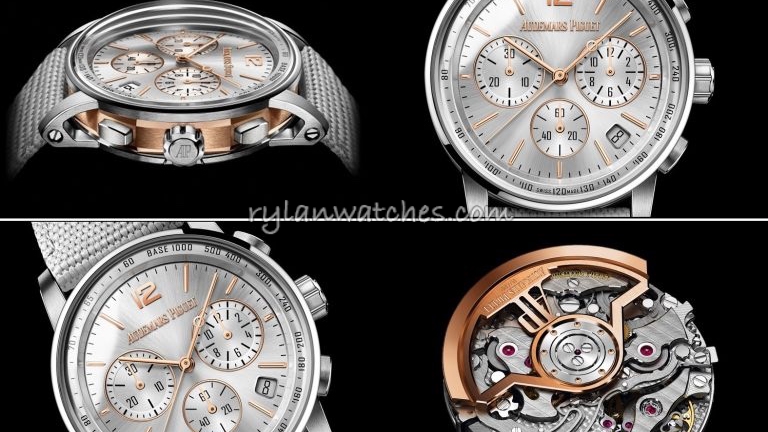
A decorated or clone-style caliber can provide the correct visual architecture beneath a display caseback. That may be important for a skeleton watch or a model whose movement is a major part of its design. It does not automatically make the movement more reliable than a simpler caliber.
Ask four separate questions: Is the watch automatic, manual-wind or quartz? Which displayed functions operate? What timekeeping evidence is supplied? Is the movement practical for an independent watchmaker to service? The comparison between Swiss-style and Japanese movements provides a fuller explanation of reliability, decoration and maintenance trade-offs.
Quality Control Should Justify the Upgrade
The strongest reason to choose a higher-priced tier is not a claim that it is “indistinguishable.” It is a better-documented watch. Before shipment, useful QC evidence can include clear photographs of the exact configuration, a timekeeping result for an automatic movement, alignment checks and confirmation that each listed function operates.
Water resistance is a separate issue. A screw-down crown or dive-watch appearance does not prove a pressure rating. Unless the exact watch has a stated and relevant test result, keep it away from swimming, showers, steam and intentional immersion.
Use the replica watch QC guide as a pre-shipment checklist. The listing should also state what the seller will do if the watch arrives damaged, differs from the confirmed configuration or develops a covered problem.
Which Quality Tier Fits You?
Case profile, dial execution, bracelet feel and movement layout matter enough that you will inspect and wear the watch closely.
You want the general design at a lower budget and accept less precise finishing or a more basic movement.
The seller cannot identify the movement, material, functions, delivered configuration or after-sales terms in writing.
Neither tier is an investment substitute for a genuine watch. Replica watches do not provide manufacturer authorization, official service access, genuine provenance or the resale market of an authentic model. They should also never be represented or resold as genuine. Laws and customs treatment vary, so review the separate guide on replica-watch legality and import considerations before ordering.
Final Buying Checklist
- Identify the exact watch: model, dial, case material, size and bracelet or strap.
- Confirm the movement: movement type, advertised functions and whether the caseback is open or closed.
- Inspect real evidence: front, side, caseback, clasp and wrist photographs—not only promotional images.
- Review QC and support: pre-shipment checks, warranty scope, return terms and the process for reporting a defect.
- Choose by value: pay more only when the documented differences matter to your ownership experience.
The most useful conclusion to the 1:1 super clone vs factory replica comparison is simple: the higher tier can be worth it when the case, dial, movement, bracelet and support are demonstrably better. The label alone is not the upgrade.
For the complete ordering process, continue with the super clone watches buying guide. To compare current styles and individual specifications, browse the luxury replica watch collection.
Trademark notice: Watches discussed in this article are independently produced replicas. They are not manufactured, authorized or endorsed by the original watch brands. Brand and collection names are trademarks of their respective owners.