Why Panerai Super Clone Watches Stand Out
Among luxury sports watches, Panerai occupies a position that is remarkably different from most mainstream brands. While many collectors immediately associate Swiss watchmaking with polished dress watches or highly detailed chronographs, Panerai built its reputation around military functionality, oversized cases, and practical underwater legibility. These characteristics have also made the brand particularly well suited to the super clone market, where structural simplicity and strong visual identity often translate into more predictable manufacturing results. For many enthusiasts, a panerai super clone watch is not simply an alternative to a genuine model, but an opportunity to experience one of the most recognizable tool-watch designs in modern horology.
One of the defining strengths of Panerai is its design philosophy. The brand has never relied on decorative complexity to establish its identity. Instead, large cushion-shaped cases, highly legible dials, and the famous crown-protecting bridge create an unmistakable appearance that can be recognized from a distance. This straightforward approach reduces the dependence on extremely delicate finishing details and allows factories to focus on proportions, case construction, and overall balance. In practical terms, that often results in more consistent visual outcomes across production batches.
The famous sandwich dial construction is another reason Panerai models stand out. Rather than relying on complicated textures or multiple decorative layers, many Panerai references use a simple two-layer dial system where luminous material shines through cut-out numerals and markers. The result is a clean, purposeful aesthetic that emphasizes readability instead of ornamentation. This design language also aligns well with the strengths of modern clone manufacturing, where maintaining consistent lume application and dial depth is generally more achievable than replicating extremely intricate decorative finishes.
Beyond aesthetics, Panerai appeals to buyers who appreciate watches as functional objects. Many owners are drawn to the feeling of wearing a professional instrument rather than a formal accessory. Large crowns, oversized hands, and bold markers create a user experience that feels mechanical and practical. Unlike watches designed primarily for display, Panerai models often become everyday companions because they are easy to read, comfortable to operate, and visually distinctive without appearing overly complicated.
Another reason for the growing interest in Panerai-inspired models is the shift in buyer expectations. As the super clone market matures, more collectors are moving away from chasing the newest releases and instead focusing on designs that provide long-term satisfaction. They value watches that remain enjoyable after months of wear, not just during the first few days after delivery. Panerai’s relatively simple architecture supports this preference by reducing unnecessary complexity and allowing attention to remain on the fundamentals that matter most: case quality, dial execution, movement stability, and overall durability.
There is also a practical advantage for buyers entering this category for the first time. Compared with highly intricate chronographs or ultra-thin luxury dress watches, Panerai references generally present fewer visual variables that require microscopic inspection. This does not mean quality control becomes less important, but it does mean buyers can evaluate the overall watch more naturally, focusing on proportions, alignment, and finishing rather than trying to verify dozens of small decorative details.
From a broader horological perspective, Panerai’s military and diving heritage continues to shape how collectors view the brand today. For readers interested in the historical background behind Panerai’s professional tool-watch identity, independent horology coverage such as Hodinkee’s Panerai articles can provide useful context on how military and diving functionality shaped the brand’s modern appeal. This historical emphasis on usability rather than decoration helps explain why Panerai remains attractive to enthusiasts who appreciate mechanical watches for their purpose as much as their appearance.
Ultimately, what makes Panerai stand out in the super clone market is the balance between bold design and practical engineering. Its oversized case profile, straightforward dial layout, and tool-watch philosophy create a platform that naturally favors consistency and everyday wearability. Rather than competing through excessive complication, Panerai succeeds through clarity and proportion. For buyers looking for a watch that feels distinctive, durable, and closely connected to its original functional roots, this combination makes the category one of the strongest choices available.
Best Panerai Super Clone Models to Consider
Choosing the right Panerai model should not begin with the question of which reference looks the most impressive. A better starting point is understanding which design family matches your wrist size, wearing habits, and tolerance for visual boldness. Panerai has a very clear design identity, but not every model delivers the same ownership experience. Some references feel rugged and modern, while others feel vintage, minimal, or more refined. This is why the best approach is to compare Panerai super clones by model family rather than treating every reference as equal.
Luminor: The Most Recognizable Panerai Choice
The Luminor is usually the strongest starting point for most buyers because it represents the visual identity people associate with Panerai most immediately. The cushion-shaped case, crown-protecting bridge, clean dial, and strong wrist presence make it instantly recognizable. From a super clone perspective, this model family also benefits from a relatively straightforward design structure. The dial is usually clean, the markers are easy to inspect, and the overall case shape is easier to evaluate through QC photos compared with more complicated chronograph or multi-scale designs.
For first-time buyers, the Luminor offers a practical balance between identity and reliability. It feels unmistakably Panerai without requiring the buyer to manage excessive mechanical or visual complexity. The main details to watch are case thickness, crown guard shape, dial printing, hand length, and strap fit. If those elements are handled well, a Luminor-style model can deliver one of the most satisfying Panerai experiences in daily use.

Submersible: Sportier, Heavier, and More Tool-Oriented
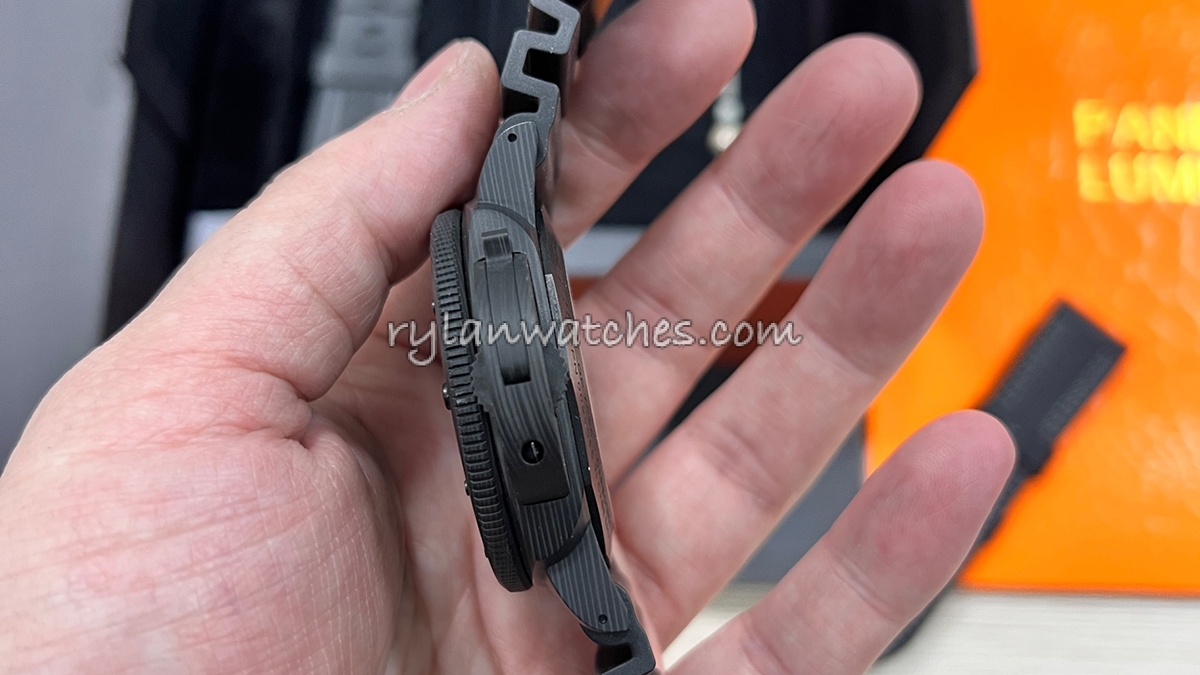
The Submersible is better suited for buyers who want a stronger diving-watch personality. Compared with the Luminor, it usually feels more aggressive, more technical, and heavier on the wrist. The rotating bezel, thicker case, and sport-focused dial layout give it a more rugged character. This makes it appealing for buyers who prefer a watch that feels substantial rather than understated.
However, the Submersible also requires closer evaluation. Bezel alignment, bezel action, case finishing, and lume consistency become more important because these details define the watch’s functional appearance. A well-executed Submersible can feel extremely solid, but a poorly finished one may look bulky rather than refined. Buyers with larger wrists or a preference for strong tool-watch styling will usually appreciate this category more than those seeking a lighter everyday piece.
Radiomir: Vintage Simplicity and Cleaner Lines
The Radiomir appeals to a different type of buyer. It removes the famous crown guard and leans into a softer, more vintage-inspired profile. Wire lugs, thinner visual lines, and cleaner dial layouts give Radiomir models a more classic feel. In the super clone market, this simplicity can be an advantage because there are fewer external components to inspect. The case shape, dial balance, and strap integration become the main areas of focus.
Radiomir models are especially suitable for buyers who like Panerai’s history but do not want the most aggressive version of the brand. They wear differently from Luminor and Submersible models, often feeling more relaxed and less industrial. For those who want a Panerai-inspired watch that works with casual clothing as well as more understated outfits, Radiomir can be a very strong choice.
The best Panerai model is therefore not the most expensive-looking or the most complicated. It is the model that matches your wrist, your style, and your expectations. Luminor is the safest all-around choice, Submersible is best for buyers who want a heavier sports profile, and Radiomir is ideal for those who prefer vintage simplicity. Understanding these differences before buying helps reduce regret and makes the final decision much easier.
Case Design and Dial Details: What Actually Matters
When evaluating a Panerai-inspired model, the most important details are not always the ones buyers notice first. Many newcomers focus on size, dial color, or whether the watch looks bold enough on the wrist. Those factors matter, but they do not determine whether the watch feels convincing over time. A strong Panerai build depends on proportion, case geometry, crown guard execution, dial depth, lume quality, and strap integration. These are the details that separate a visually acceptable watch from one that feels stable, balanced, and well-made during daily use.
The case is the foundation of the entire design. Panerai watches are known for their large cushion-shaped cases, but size alone is not enough. A case that is too thick, too flat, or incorrectly curved can make the watch feel awkward even if the dial looks accurate. The case should have a strong wrist presence without appearing clumsy. Lug shape, case-side brushing, bezel height, and edge finishing all contribute to the final impression. Because Panerai designs are visually simple, poor case proportions are easier to notice than buyers sometimes expect.
The crown guard is especially important on Luminor-style models. This single component carries a large part of Panerai’s identity. The bridge should sit cleanly against the case, the lever should close securely, and the overall shape should look purposeful rather than oversized or loose. A weak crown guard can make the entire watch feel less convincing, even if the dial and strap are well executed. For this reason, it should always be one of the first areas reviewed in photos or videos.
Dial execution is another major factor. Panerai dials appear simple, but that simplicity leaves little room to hide mistakes. On sandwich dial models, the cut-out numerals should look clean, evenly shaped, and properly aligned. The luminous layer beneath should create visual depth without looking uneven or overly thick. On printed dials, numerals and markers should be sharp, balanced, and correctly spaced. Because the layout is open and uncluttered, small printing errors can become obvious once the watch is worn regularly.
Hand length and lume consistency also matter. Panerai hands are usually broad and highly visible, so poor finishing or incorrect proportions can disturb the entire dial balance. The hands should reach appropriate positions relative to the markers, and the lume should appear consistent with the dial markers. Large differences in lume tone or brightness may not always be a deal-breaker, but they can reduce the feeling of quality.
Strap fit is often underestimated. Panerai watches depend heavily on strap character because the case is large and visually dominant. A weak strap can make the watch feel cheap, while a well-fitted leather or rubber strap can dramatically improve the wearing experience. The strap should sit naturally between the lugs, match the case size, and support the weight of the watch without feeling flimsy.
Ultimately, Panerai quality is about proportion and execution rather than complexity. A clean dial, correct case shape, solid crown guard, and comfortable strap will usually matter more than small decorative claims. Buyers who understand these details can judge a watch more confidently and avoid being distracted by surface-level descriptions.
Movement Considerations for Panerai Clones
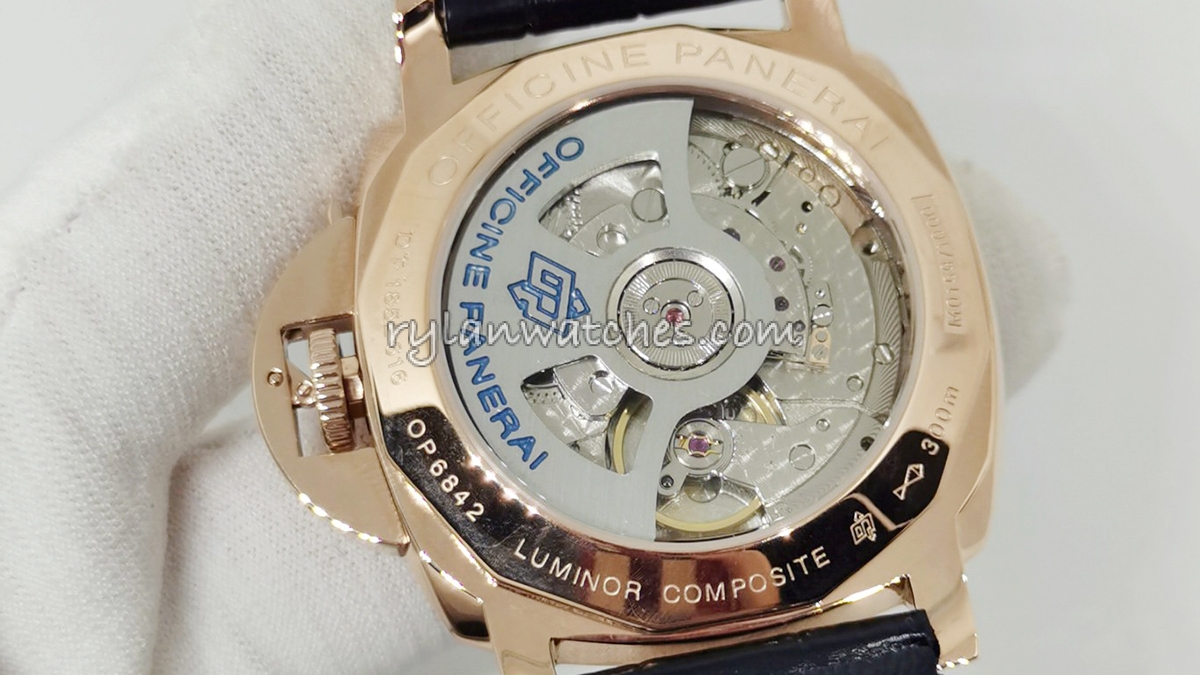
Movement selection is often one of the first topics buyers research, but it is also one of the most misunderstood. Many people assume that the movement alone determines whether a watch is good or bad. In reality, long-term reliability depends on how well the movement works together with the case, dial, hands, and overall assembly quality. This is especially true when choosing a panerai super clone watch, where the brand’s traditional focus on simple, functional design often creates advantages that are not immediately obvious.
One reason Panerai-inspired models have developed a strong reputation among experienced buyers is that many classic references are mechanically straightforward. Unlike highly complicated chronographs or ultra-thin luxury dress watches, numerous Panerai designs are based on simple time-only or time-and-date layouts. Fewer moving parts generally mean fewer potential failure points, making the overall ownership experience more predictable. This simplicity aligns well with the practical nature of the original brand and supports long-term daily wear.
Another important distinction is the difference between manual-wind and automatic configurations. Many enthusiasts appreciate manual-wind Panerai models because they reflect the historical character of the brand. Winding the watch each day creates a direct interaction with the movement and reinforces the feeling of wearing a traditional mechanical instrument. From a structural standpoint, simpler manual-wind layouts also reduce dependence on additional automatic winding components, which can help minimize unnecessary mechanical complexity.
Automatic models, however, offer convenience and are often preferred by buyers who intend to wear the watch regularly without thinking about daily winding routines. A well-regulated automatic movement can provide a stable and practical experience, particularly for those who rotate between multiple watches. The choice between manual and automatic should therefore be based on personal preference rather than assumptions about prestige. Both can perform well when properly integrated into a stable design.
Buyers should also avoid placing too much emphasis on movement labels alone. Marketing descriptions sometimes encourage the idea that one origin or one specification automatically guarantees superior quality. In practice, assembly consistency and movement regulation have a much greater impact on real-world performance. A simple movement that has been carefully installed, adjusted, and tested will usually provide a more satisfying ownership experience than a technically ambitious movement operating under unnecessary stress.
Maintenance expectations should also be considered before making a purchase. Mechanical watches are designed to operate through the interaction of many small components, and over time they naturally experience wear. A movement with a simpler structure is generally easier to inspect, regulate, and service. This practical advantage becomes more valuable during long-term ownership than many buyers realize. Instead of focusing only on technical specifications, it is worth considering how easily the watch can be maintained if future adjustments become necessary.
For first-time buyers, the safest strategy is often to prioritize stability over complexity. Panerai’s clean layouts and straightforward mechanical philosophy support this approach. Rather than chasing additional functions that may never be used, many collectors prefer a watch that delivers consistent timekeeping, comfortable daily wear, and fewer mechanical variables. This philosophy closely matches the original purpose of Panerai as a professional tool watch, where reliability mattered more than elaborate features.
Ultimately, movement choice should be viewed as part of a larger system. Case design, dial construction, assembly quality, and mechanical integration all work together to shape the final experience. When these elements are balanced correctly, the result is a watch that feels dependable not only during the first few days after delivery, but throughout regular use. For many buyers, that kind of predictable performance is far more valuable than chasing specifications that add complexity without improving everyday enjoyment.
Common Buying Mistakes New Buyers Should Avoid
Panerai designs look simple at first glance, but that simplicity can easily mislead new buyers. Because the watches are bold, clean, and highly recognizable, many people assume the buying decision should be easy: choose the case size, pick a dial color, and place the order. In reality, a strong Panerai purchase requires more careful judgment. The most common mistakes usually happen when buyers focus only on first impressions instead of considering wrist fit, case thickness, dial execution, movement practicality, and long-term comfort.
The first mistake is choosing purely by case diameter. Panerai watches are famous for large sizes, but a 44mm or 47mm case does not wear the same across every model. Lug shape, case thickness, strap angle, and wrist curvature all affect comfort. A watch that looks impressive in photos may feel oversized in daily wear if the case sits too high or the strap does not wrap naturally around the wrist. Buyers with smaller wrists should pay close attention to overall proportions rather than assuming that bigger automatically means better.
The second mistake is ignoring thickness. Panerai models often have strong wrist presence, but thickness determines whether that presence feels powerful or awkward. A thick case can look attractive in close-up images, yet become uncomfortable under sleeves or during long wear. This is especially important for Submersible-style models, where the sportier case profile can feel heavier than expected. Before choosing a model, buyers should think about when and how they plan to wear it.
Another common mistake is treating the crown guard as a minor detail. On Luminor-style models, the crown-protecting bridge is one of the most important visual and functional elements. If the guard shape is poor, the lever feels loose, or the bridge does not sit cleanly against the case, the entire watch loses confidence. New buyers often focus on the dial first, but on Panerai models, the crown guard deserves equal attention.
Many buyers also underestimate the role of the strap. Panerai watches depend heavily on strap quality because the large case needs proper support. A weak strap can make the watch feel unstable, cheap, or uncomfortable, even if the case and dial are well made. Leather straps should feel substantial without being stiff, while rubber straps should match the tool-watch character of the case. Strap fit can completely change how the watch wears.
A further mistake is assuming that more functions mean a better watch. For Panerai, the opposite is often true. The brand’s strongest appeal comes from clean utility, not excessive complication. Simple time-only or small-seconds models can deliver a more authentic and reliable experience than overly complex layouts. Buyers who chase extra functions may increase mechanical risk without gaining much practical value.
Finally, new buyers sometimes approve a watch too quickly because the overall design looks bold and attractive. Panerai’s clean layout makes flaws easier to miss if the buyer is not checking systematically. Case shape, dial spacing, hand alignment, lume consistency, and crown guard fit all deserve careful attention. Avoiding these mistakes does not make the buying process complicated; it makes it more controlled. A good Panerai choice should feel intentional, wearable, and mechanically sensible—not just visually impressive in the first photo.

What to Check Before Buying
Before buying a Panerai-inspired model, the most important step is to evaluate the exact watch being prepared for shipment, not only the product photos shown on the website. Panerai designs may look simple, but their simplicity makes proportion and execution extremely important. A strong unit should feel balanced across the case, dial, crown guard, strap, and movement. If one area is noticeably weak, the entire watch can lose the solid tool-watch character that makes Panerai so appealing.
The first area to check is case shape and thickness. Panerai cases should look bold, but not clumsy. The cushion profile should feel balanced, the bezel should sit cleanly, and the side brushing should appear even. A case that is too thick, too flat, or poorly curved may look acceptable in isolated photos but feel uncomfortable in real wear. For larger models, this becomes especially important because wrist presence can quickly turn into wrist fatigue if the proportions are wrong.
Next, inspect the crown guard carefully. On Luminor-style models, the crown-protecting bridge is one of the most important quality signals. The bridge should align neatly with the case, the lever should close properly, and the overall shape should look firm rather than loose or oversized. A weak crown guard is difficult to ignore once the watch is on the wrist, so it should never be treated as a minor detail.
Dial details also deserve close attention. On sandwich dials, the cut-out numerals should look clean and evenly shaped, while the luminous layer beneath should appear consistent. On printed dials, the numerals, markers, and logo placement should be sharp and balanced. Because Panerai dials are open and uncluttered, small printing flaws or uneven spacing can become more noticeable over time. Hand length and lume consistency should also be checked, especially on models with large luminous hands.
Movement performance is another key factor. Timekeeping does not need to be perfect, but it should be stable and reasonable. If QC materials include timing data, look for consistency rather than extreme claims. A watch with attractive finishing but unstable mechanical behavior may become frustrating after delivery. This is why QC should evaluate the watch as a complete system rather than separate visual parts.
If you are not sure how to judge these details, our Replica Watch QC Guide explains how to read QC photos and videos before shipping, including alignment, movement testing, and common issues worth checking before approval.
Finally, consider whether the watch matches your actual wearing habits. A Submersible may look powerful, but it may not be ideal if you prefer lighter daily watches. A Radiomir may look elegant, but it may not deliver the same rugged presence as a Luminor. The right choice should fit your wrist, your style, and your expectations. Buying well is not about finding the most dramatic Panerai model; it is about choosing the one that will still feel comfortable, reliable, and satisfying after the first impression fades.
Is a Panerai Super Clone Watch a Good First Choice?
For many buyers, a Panerai can be an excellent first choice in the super clone market, but only if expectations are realistic. The brand’s design language is bold, simple, and highly recognizable, which makes it easier to evaluate than many complicated chronographs or ultra-thin dress watches. A clean dial, strong case shape, and straightforward movement structure can reduce uncertainty for new buyers. This is one reason Panerai often works well as a first step for people who want a watch with strong identity without entering the most fragile or overly complex categories.
The main advantage is readability. Panerai watches are built around large numerals, broad hands, and uncluttered layouts. These elements make QC evaluation more intuitive because dial spacing, hand alignment, lume consistency, and case proportions are easier to inspect. A first-time buyer does not need to decode multiple sub-dials, small scales, or complicated decorative layers. Instead, the focus stays on fundamentals: whether the watch looks balanced, feels solid, and performs consistently.
However, Panerai is not the right first choice for everyone. The biggest consideration is size. Many models have a strong wrist presence, and buyers who prefer thin, lightweight, or formal watches may find them too bold for daily use. Before choosing one, it is important to think honestly about wrist size, clothing style, and comfort expectations. A watch can look powerful in photos but feel too large during regular wear.
Panerai is best suited for buyers who appreciate tool-watch design, military-inspired styling, and a more casual wearing experience. It works especially well for those who like leather straps, rubber straps, larger cases, and watches that feel purposeful rather than decorative. If your goal is a subtle dress watch, Panerai may not be the ideal starting point. If your goal is a distinctive daily watch with strong character, it can be a very practical choice.
Another reason Panerai can be beginner-friendly is that many references avoid unnecessary complication. Simple time-only, small-seconds, or date models usually offer a more stable ownership experience than complex chronographs. For a first purchase, this matters. A watch that is easier to inspect, easier to wear, and easier to maintain will usually create more confidence than one chosen only because it looks technically impressive.
After QC approval, buyers should also understand what happens next, including final confirmation, shipping preparation, and delivery updates. Our post-order process explains how the workflow continues after an order is placed, helping buyers understand how inspection, approval, and fulfillment fit together.
Overall, a Panerai super clone can be a strong first choice when the buyer wants bold design, straightforward mechanics, and practical daily wear. The safest approach is to start with a mature Luminor or similarly simple reference, then move into heavier Submersible or vintage-inspired Radiomir models once personal preferences become clearer. Panerai rewards buyers who value proportion, comfort, and utility over excessive complexity. When chosen with that mindset, it can deliver one of the most satisfying entry points into the super clone watch category.
Final Takeaway: How to Choose the Right Panerai Super Clone Watch
Choosing the right Panerai model is ultimately less about chasing the most dramatic design and more about understanding what makes the watch satisfying over time. Panerai has a strong advantage in the super clone market because its identity is built around clarity, proportion, and tool-watch practicality. Large cases, clean dials, sandwich construction, crown guards, and strong strap presence all create a design language that is easy to recognize and, when executed well, highly enjoyable in daily wear.
For most buyers, the safest path is to start with a model family that matches their real wearing habits. The Luminor is usually the most balanced option because it delivers the classic Panerai appearance without becoming overly complicated. It offers the famous cushion case, crown-protecting bridge, and bold dial layout that define the brand. Buyers who want a stronger sports profile may prefer the Submersible, especially if they like heavier watches with diving-watch character. Those who prefer a softer, more vintage look may find the Radiomir more suitable because of its cleaner case profile and understated design.
The most important point is not to treat all Panerai models as interchangeable. Case thickness, wrist fit, strap quality, movement structure, and QC details can completely change the ownership experience. A watch that looks powerful in product photos may feel too heavy or awkward if the proportions do not suit your wrist. Likewise, a simple-looking model can feel extremely refined if the case shape, dial execution, and strap fit are handled properly. This is why careful selection matters more than choosing the most recognizable reference.
Movement choice should also be viewed practically. A simple and stable movement is often more valuable than a complicated specification that adds risk without improving daily enjoyment. Panerai’s strongest appeal comes from functional design, not excessive complication. For many buyers, time-only, small-seconds, or date models offer the best balance between reliability and authenticity. They preserve the brand’s tool-watch character while keeping long-term ownership easier to manage.
Before buying, always evaluate the watch as a complete system. The case should feel balanced, the crown guard should look secure, the dial should be clean, the hands should align naturally, and the strap should support the watch comfortably. QC photos and videos are not just a formality; they are the final checkpoint before approval. Buyers who take this step seriously usually make better decisions and avoid many of the common frustrations associated with first-time purchases.
In the end, a Panerai super clone watch is best suited for buyers who appreciate bold design, practical engineering, and a strong wrist presence. It is not the right choice for someone who wants a thin, discreet dress watch, but it can be one of the most rewarding options for those who enjoy military-inspired tool watches with clear visual identity. When selected carefully, a Panerai-style model can deliver a confident, durable, and distinctive ownership experience that remains enjoyable long after the first impression fades.