1:1 Super Clone Watches Guide: Quality, Craftsmanship, and Buyer Insights

Introduction: Why 1:1 Super Clone Watches Attract Modern Buyers

1:1 super clone watches have become a serious consideration for buyers who admire the design language, wrist presence, and mechanical character of luxury watches but do not want to spend the price of an authentic model. For many watch enthusiasts, the appeal is not only about saving money. It is also about access. Popular luxury watches from brands such as Rolex, Patek Philippe, Audemars Piguet, Omega, and Richard Mille are often difficult to buy at retail, carry long waiting lists, or trade at strong premiums on the secondary market.

A well-made super clone watch gives buyers a way to experience the look and wearing style of these iconic designs in a more accessible form. The best examples focus on case proportions, dial accuracy, bracelet finishing, bezel feel, and movement appearance rather than simply copying a general shape. This is why buyers comparing models through a luxury replica watches collection should look beyond the product title and pay attention to the actual construction details.

At the same time, not every replica watch deserves to be called a 1:1 super clone. Quality varies widely across the market, and two watches that look similar in photos may feel very different on the wrist. Materials, movement choice, assembly quality, water resistance, and after-sales support all affect the final ownership experience.

This guide explains what 1:1 super clone watches are, how they differ from ordinary replicas, what materials and movements matter, and how buyers can judge quality before choosing a model. The goal is not to present super clones as the same as genuine luxury watches, but to help buyers understand their real strengths, limits, and practical value before making a decision.

What Are 1:1 Super Clone Watches?

1:1 super clone watches are high-detail replica watches designed to closely follow the appearance, proportions, and wearing experience of well-known luxury watch models. Compared with ordinary replicas, a true super clone usually focuses on more than the basic outline of the watch. It pays attention to case thickness, lug shape, bezel profile, dial printing, hand length, bracelet construction, clasp finishing, and movement decoration.

The term “1:1” is often used to describe a watch that aims to match the original design as closely as possible in visual structure. However, buyers should understand that this term is widely used in the market and does not automatically guarantee quality. A product title may say “1:1,” but the real quality depends on manufacturing accuracy, materials, movement choice, and quality control. This is why a detailed buying standard matters more than marketing language.

A higher-quality super clone should feel balanced on the wrist, not just look similar in a single front-facing photo. The case should have convincing proportions, the bracelet should articulate smoothly, the clasp should feel secure, and the dial details should appear clean under close viewing. On better models, even small details such as the crown shape, caseback engraving, bezel action, date window position, and rotor appearance are considered during production.

It is also important to separate visual accuracy from official authenticity. A 1:1 super clone watch may be built to resemble a famous luxury model, but it does not carry the original brand’s warranty, service record, resale value, or collector status. Buyers who understand this distinction usually have a better experience because they judge the watch by practical standards: finishing quality, movement reliability, comfort, and value for personal use.

For buyers who are still comparing basic replicas with higher-grade models, our super clone watches buying guide offers a broader overview of what to check before purchase, while the Swiss vs Japanese movement clones guide explains how movement choices can affect performance and long-term expectations.

Luxury replica watches collection with Rolex Patek Philippe and Audemars Piguet inspired styles

Why Super Clone Watches Became Popular

The popularity of super clone watches is closely connected to the modern luxury watch market. Many iconic models are no longer easy to buy at retail, even for buyers who are ready to pay the official price. Waiting lists, limited allocation, boutique relationships, and secondary-market premiums have changed the way people approach luxury watches. As a result, some buyers look for a more accessible way to experience the design and wrist presence of famous models without entering a difficult or expensive buying process.

Price is still a major factor, but it is not the only reason. A buyer may admire the clean symmetry of a Rolex Submariner, the refined sport-luxury profile of a Patek Philippe Nautilus, the architectural bracelet of an Audemars Piguet Royal Oak, or the technical boldness of a Richard Mille-style case. Owning all of these genuine watches would require an enormous budget. Super clone watches allow buyers to explore different design families, case shapes, dial colors, strap options, and complications with far less financial pressure.

This variety has made the category especially appealing to collectors who care about style rotation. A single buyer may want a daily sports watch, a dressier piece for formal settings, a chronograph for a more technical look, and a skeleton watch for visual impact. Instead of being locked into one expensive purchase, super clone watches make it possible to build a broader collection around personal taste and wearing occasions.

Another reason is practical wearability. Many owners of genuine luxury watches worry about scratches, theft, travel risk, insurance, and service cost. A super clone watch does not remove the need for care, but it can feel less stressful for daily wear because it is not treated as a high-value investment asset. This makes it suitable for buyers who want the visual experience of luxury watch design without constantly protecting a costly original piece.

For this reason, popular categories such as Rolex super clone watches, Patek Philippe clone watches, and Audemars Piguet super clone watches continue to attract buyers who want recognizable design, strong wrist presence, and a more accessible ownership experience.

Craftsmanship Behind High-Quality Super Clones

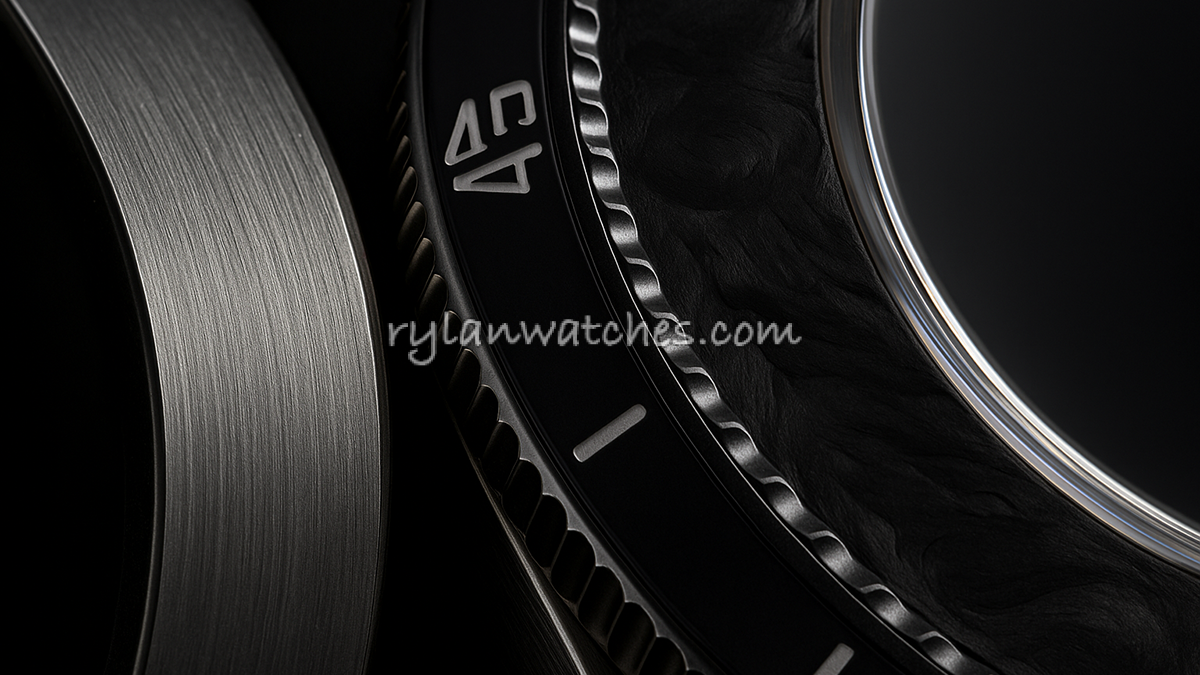
The quality of a high-grade super clone watch is usually found in the small details rather than the first impression. From a distance, many watches can look similar. The real difference appears when the case profile, bezel finishing, bracelet feel, dial texture, and movement presentation are examined more closely. A well-made super clone should feel considered from every angle, not only from the front-facing product photo.

Case construction is one of the most important areas. Better super clone watches often use precise machining to reproduce the original proportions more closely, including case thickness, lug shape, crown guard structure, bezel height, and side profile. These details affect how the watch sits on the wrist. If the case is too thick, too flat, too sharp, or poorly balanced, the watch may lose the character that made the original design appealing.

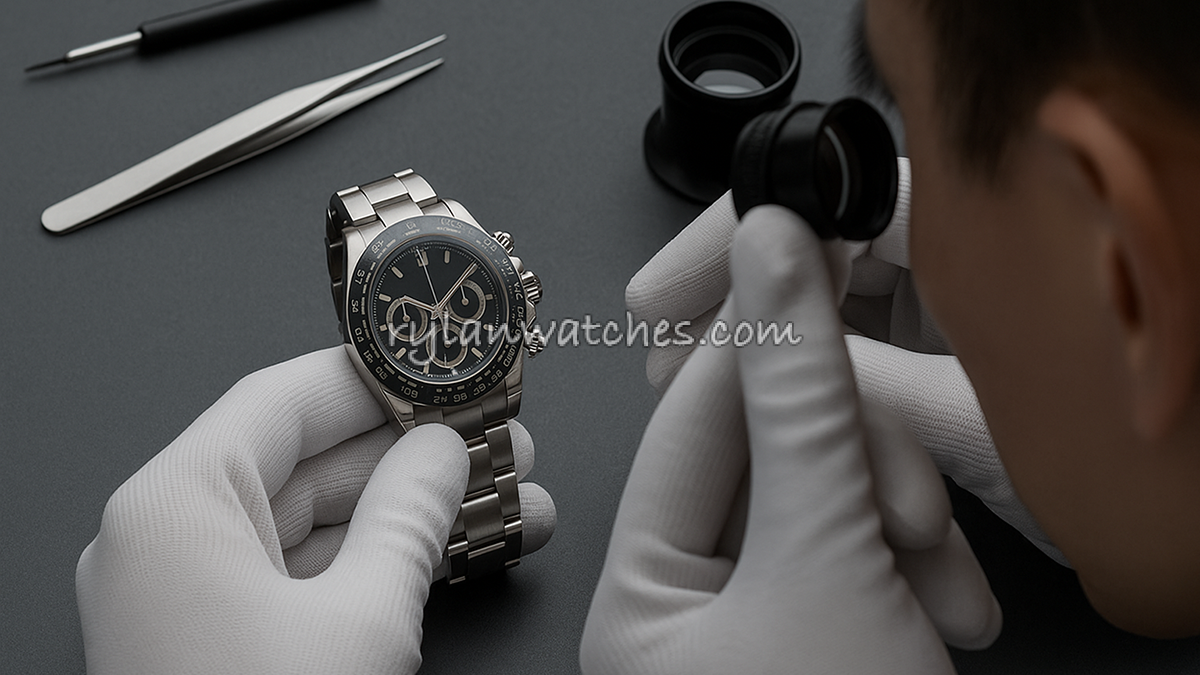
Dial finishing is another major sign of craftsmanship. Clean printing, correctly placed markers, balanced subdials, accurate date window positioning, and well-applied lume all contribute to a more convincing appearance. On watches inspired by models such as the Daytona, Royal Oak, Nautilus, Seamaster, or Santos, the dial is often where lower-quality replicas reveal their weaknesses. A good super clone should look calm, aligned, and proportional under close viewing.

Bracelet and clasp quality also matter because they shape the wearing experience. Solid bracelet links, smooth articulation, secure clasp action, clean engraving, and comfortable edge finishing can make a watch feel much more refined. Even when the watch head looks accurate, a poor bracelet can make the entire piece feel low quality. For integrated bracelet designs such as Royal Oak-style or Nautilus-style watches, this detail becomes especially important because the bracelet is part of the watch’s identity.

High-quality super clones may also use materials such as 316L or 904L stainless steel, sapphire crystal, ceramic bezels, rubber straps, or coated cases depending on the model. These materials can improve durability, scratch resistance, and overall feel, but they should still be judged realistically. The goal is not to claim that a replica equals the original brand’s manufacturing system. The goal is to understand how material choice and finishing quality affect the daily wearing experience.

Materials and Movements: What Actually Matters

When buyers compare 1:1 super clone watches, materials and movements are two of the most important factors to understand. A watch may look attractive in photos, but the real ownership experience depends on how the case feels, how the crystal performs, how the bracelet wears, and how stable the movement is over time. These details decide whether a watch feels refined in daily use or simply looks good from a distance.

For case materials, many higher-quality super clones use 316L stainless steel, while some models use 904L stainless steel to create a heavier and more polished feel. Ceramic bezels are also common on sports watches because they offer better scratch resistance and a more modern finish. Sapphire crystal is another key detail because it provides better clarity and durability than mineral glass. These materials do not make a watch equal to the genuine model, but they do improve the feel, weight, and practicality of the piece.

Bracelet and strap materials also matter. A stainless steel bracelet should feel solid, smooth, and comfortable without sharp edges or excessive rattling. Rubber straps should be flexible, well-shaped, and properly fitted to the case. Leather straps should feel balanced with the watch style rather than thin or overly stiff. For many buyers, the bracelet or strap is where quality becomes obvious because it is the part that directly touches the wrist throughout the day.

Movement choice is equally important. Some super clone watches use reliable automatic movements designed for practical daily wear, while others use decorated clone movements that are made to resemble the original caliber more closely. Chronograph models may use Asian 7750-style movements, while simpler three-hand watches may use automatic movements based on Japanese or Asian architecture. The right choice depends on what the buyer values most: visual accuracy, reliability, serviceability, or mechanical realism.

Buyers should be careful not to choose a watch based only on movement claims. A “Swiss movement” label does not automatically guarantee a better experience, and an Asian or Japanese automatic movement is not automatically poor. What matters is whether the movement is properly installed, regulated, matched to the case, and supported by the seller. For a deeper comparison, buyers can review the Swiss vs Japanese movement clones guide before deciding which movement type fits their expectations.

In the end, the best super clone watch is not always the one with the longest specification list. It is the one where materials, finishing, movement, and wearing comfort work together. A balanced watch with honest specifications and stable performance is usually a better choice than a model that relies only on exaggerated claims.

How to Judge a Good 1:1 Super Clone Watch

Judging a good 1:1 super clone watch requires more than looking at the model name or price. Many listings use similar words, but the real quality is found in proportions, finishing, movement stability, and seller transparency. A careful buyer should review the watch as a complete object: how it looks, how it feels, how it functions, and how clearly the seller explains its specifications.

Case Proportions and Side Profile

The case is one of the first areas to check. A well-made super clone should have balanced proportions, clean transitions, and a side profile close to the original design. Case thickness, lug shape, crown guards, bezel height, and caseback depth all affect the final wearing experience. If the case looks too thick, too flat, or visually heavy, the watch may lose the refined character of the model it is trying to represent.

Dial Accuracy and Visual Balance

The dial should look clean and controlled under close viewing. Buyers should pay attention to logo placement, font weight, marker alignment, date window position, hand length, lume application, and subdial spacing if the watch is a chronograph. A good dial does not need to shout for attention; it should feel balanced, sharp, and consistent. Small mistakes on the dial are often easier to notice than flaws in other parts of the watch.

Bracelet, Clasp, and Wearing Comfort

A high-quality super clone should feel comfortable on the wrist. The bracelet should articulate smoothly, the links should not feel sharp, and the clasp should close securely. For watches with integrated bracelets, such as Royal Oak-style or Nautilus-style designs, bracelet quality is especially important because it defines the whole wearing experience. A poor bracelet can make even a visually accurate watch feel disappointing.

Movement Stability and Function

Movement choice should match the type of watch. A three-hand sports watch, a chronograph, a GMT, and a skeleton model may all require different movement standards. Buyers should check whether the watch uses an automatic movement, quartz movement, decorated clone movement, or specific caliber-style movement. The movement should wind smoothly, keep reasonable time, and support the functions shown on the dial. Decorative appearance is useful, but long-term stability matters more for daily wear.

Photos, QC, and Seller Communication

Product photos should show more than one perfect front angle. A reliable listing should include case side views, bracelet and clasp details, dial close-ups, caseback images, and clear specification information. Seller communication also matters. A transparent seller should explain movement type, material details, shipping expectations, and after-sales support without relying only on vague claims. Good communication before purchase often signals a better ownership experience after delivery.

The best approach is to compare each watch against a clear standard instead of chasing the cheapest option. A good 1:1 super clone watch should offer visual accuracy, reliable wearability, comfortable finishing, and honest product information. When these elements work together, the watch is more likely to deliver a satisfying experience in daily use.

Best Super Clone Watch Categories for Beginners

For buyers choosing their first super clone watch, it is often better to start with a clear category rather than a random model. Different watch styles serve different purposes. Some are designed for everyday versatility, some feel more refined and dress-oriented, while others focus on bold visual impact. Understanding these categories helps buyers choose a watch that fits their lifestyle instead of simply following popularity.

Rolex-Style Sports Watches

Rolex-inspired sports watches are often the easiest entry point for beginners because the designs are recognizable, versatile, and practical for daily wear. Models inspired by the Submariner, GMT-Master II, Daytona, Sea-Dweller, and Datejust offer strong wrist presence without being difficult to style. A well-made Rolex-style super clone should have balanced case proportions, clean bezel action, solid bracelet construction, and accurate dial spacing. Buyers who want a dependable daily look can start with the Rolex super clone watches category.

Patek Philippe Sport-Luxury Watches

Patek Philippe-inspired designs are suitable for buyers who prefer a more refined sport-luxury feeling. Nautilus and Aquanaut-style watches are popular because they combine elegant proportions with casual wearability. These models depend heavily on case shape, dial texture, and bracelet or rubber strap integration. If the proportions are wrong, the watch can quickly lose its refined character. Buyers who want a cleaner and more understated design may explore the Patek Philippe clone watches collection.

Audemars Piguet Integrated Bracelet Watches

Audemars Piguet-style watches are best for buyers who like sharper architecture and a stronger design statement. Royal Oak and Royal Oak Offshore-inspired models are known for angular cases, exposed screws, textured dials, and integrated bracelet construction. Because these watches rely so much on finishing, buyers should pay close attention to brushing, polishing, bracelet flexibility, bezel alignment, and clasp quality. The Audemars Piguet super clone watches category is a strong choice for those who want bold wrist presence.

Omega Dive and Chronograph Styles

Omega-inspired super clones are often appealing to buyers who want a sporty but slightly less obvious alternative to Rolex-style designs. Seamaster, Speedmaster, and Planet Ocean-inspired watches offer strong variety, from dive-watch durability to chronograph heritage. These models are good for buyers who enjoy technical design details, ceramic bezels, wave dials, chronograph layouts, or steel bracelet versatility. They can work well as everyday watches while still feeling distinctive.

High quality super clone watch case dial bracelet and movement details

Richard Mille and Roger Dubuis Skeleton Styles

For buyers who prefer modern, expressive, and highly visible designs, Richard Mille and Roger Dubuis-inspired watches offer a very different experience. These watches often feature skeleton dials, tonneau or oversized cases, rubber straps, carbon-style materials, and complex visual layering. They are not as understated as classic sports watches, but they can be ideal for collectors who want something more contemporary and dramatic. Buyers interested in this direction can compare Richard Mille super clone watches and Roger Dubuis replica watches before choosing a model.

For most beginners, the safest starting point is a versatile sports watch with a clean dial, reliable movement, and comfortable bracelet. Once buyers understand what case size, weight, and style they prefer, it becomes easier to explore more complex designs such as chronographs, skeleton watches, or limited-edition colorways.

Super Clone Watches vs Genuine Watches

Super clone watches and genuine luxury watches should be understood as two very different types of purchases. A genuine watch carries official brand identity, original manufacturing, authorized warranty, service history, resale recognition, and collector value. These factors are part of what makes authentic luxury watches expensive, especially when the model comes from brands such as Rolex, Patek Philippe, Audemars Piguet, Omega, Cartier, or Richard Mille.

A super clone watch offers a different kind of value. It is mainly chosen for visual design, wrist presence, style flexibility, and accessible daily wear. A well-made super clone can deliver a satisfying wearing experience, especially when the case proportions, dial details, bracelet finishing, and movement feel are carefully executed. However, it should not be viewed as a replacement for the genuine watch in terms of brand heritage, official service, long-term investment, or resale strength.

The strongest advantage of a genuine luxury watch is legitimacy. It can be serviced through official or specialist channels, documented with papers and serial numbers, insured as a valuable item, and traded through established watch marketplaces. For collectors who care about provenance, ownership history, and long-term value, the genuine watch remains the better choice.

The strongest advantage of a super clone watch is practicality. It allows buyers to experience the design language of famous models without committing to a major financial purchase. This can be useful for people who want to test a style before buying genuine, build a varied collection, or wear a luxury-inspired design in daily life without worrying as much about scratches, theft, or depreciation.

The best way to compare the two is not to ask which one is “better” in every situation. Instead, buyers should ask what they actually want from the watch. If the goal is official brand ownership, resale value, and long-term collectability, a genuine watch is the right path. If the goal is design experience, wrist presence, and lower-pressure daily wear, a carefully chosen super clone watch may be more practical.

Common Myths About Super Clone Watches

Super clone watches are often misunderstood because the market contains many different quality levels, seller claims, and buyer expectations. Some people assume every replica watch is the same, while others believe every expensive clone must automatically be high quality. In reality, the truth is more practical. A good buying decision depends on understanding what matters, what is exaggerated, and what should be checked before purchase.

Myth 1: Every Replica Watch Is a Super Clone

Not every replica watch deserves to be called a super clone. A basic replica may only copy the general look of a luxury watch, while a better super clone focuses on proportions, finishing, movement appearance, and wearing feel. Buyers should look at case thickness, dial alignment, bracelet quality, clasp finishing, and movement details instead of trusting the product title alone.

Myth 2: Higher Price Always Means Better Quality

A higher price can sometimes reflect better materials, better movement, or more accurate finishing, but it is not a guarantee. Some sellers use inflated pricing without offering better specifications or stronger quality control. Buyers should compare actual details such as case material, crystal type, movement information, bracelet construction, and real product photos before deciding whether the price is reasonable.

Myth 3: Product Photos Tell the Whole Story

Photos are useful, but they are not enough by themselves. Lighting, angles, editing, and selective close-ups can make a watch look better than it feels in real life. Buyers should look for multiple angles, including side profile, clasp, bracelet, dial close-up, caseback, and wrist shots. Clear specifications and seller communication are just as important as attractive images.

Myth 4: Water Resistance Can Be Assumed

Water resistance should always be treated carefully with super clone watches. Even if a watch is inspired by a professional dive model, buyers should not assume it can be used for swimming, diving, hot showers, or steam exposure unless proper testing has been confirmed. For daily use, it is safer to avoid heavy water contact and keep the crown fully secured.

Myth 5: The Best Watch Is Always the Most Popular Model

Popular models are popular for a reason, but the best choice depends on the buyer’s wrist size, style preference, movement expectations, and daily use. A Rolex-style sports watch may suit one buyer, while another may prefer a slimmer Patek Philippe-inspired design, a bold Audemars Piguet-style case, or a technical Richard Mille-style skeleton watch. The right super clone is the one that fits the buyer’s lifestyle and expectations, not simply the one with the most attention online.

Understanding these myths helps buyers approach the market with clearer standards. Instead of chasing labels, hype, or the cheapest listing, buyers should focus on quality indicators, honest specifications, realistic use, and reliable seller support.

How to Choose a Reliable Source

Choosing a reliable source is one of the most important steps when buying a 1:1 super clone watch. Because quality levels vary widely, the seller’s transparency, communication, and product standards often matter as much as the watch itself. A good seller should not rely only on attractive photos or exaggerated claims. The product information should help buyers understand what they are actually purchasing.

Start by checking whether the product page includes clear specifications. Important details include case material, crystal type, strap or bracelet material, movement type, case size, dial color, bezel material, and water resistance expectations. If a listing only uses general words such as “top quality” or “best version” without explaining the construction, buyers should be cautious.

Photos are also important. A reliable seller should show the watch from multiple angles, including the dial, side profile, bracelet, clasp, caseback, and wrist view when possible. These images help buyers judge thickness, finishing, bracelet comfort, and overall proportions. For watches with visible movements or skeleton dials, caseback and movement photos are especially useful.

Communication is another key signal. Buyers should feel comfortable asking about movement details, shipping process, production time, quality checks, and after-sales support. A seller who answers clearly and realistically is usually more trustworthy than one who avoids details or promises that every watch is perfect. In this market, honest expectations are more valuable than unrealistic guarantees.

After-sales support should also be considered before purchase. Since super clone watches do not come with official brand warranty, buyers depend on the seller for basic assistance if a problem appears. Clear policies, responsive communication, and realistic support terms can make the buying experience much safer and more predictable.

At Rylan Watches, the focus is on helping buyers compare models with clearer expectations, whether they are browsing everyday sports watches, refined dress-style pieces, or bold skeleton designs. Buyers can start from the luxury replica watches collection and review each model based on style, materials, movement, and practical daily wear needs.

Final Buyer Perspective: Choose by Expectation, Not Hype

1:1 super clone watches are best understood as design-focused alternatives for buyers who want the look, wrist presence, and daily styling experience of luxury watches without paying the full price of an authentic model. They can be a practical choice for people who admire iconic watch designs, enjoy rotating different styles, or want to test how a certain case shape, dial color, or bracelet type feels before making a larger purchase decision.

The most satisfied buyers are usually those who enter the market with clear expectations. A super clone watch can offer strong visual appeal, comfortable wearability, and impressive finishing when chosen carefully. However, it should not be purchased for official brand status, long-term investment value, authorized warranty, or collector recognition. Those qualities belong to genuine luxury watches and should not be confused with the purpose of a clone.

Before choosing a model, buyers should think about how the watch will actually be used. A versatile sports watch may be better for daily wear, while a dress-style model may work better for formal occasions. A chronograph can add a more technical look, while a skeleton or tonneau-case design may suit buyers who prefer stronger visual impact. The best watch is not always the most expensive or most popular option; it is the one that fits the buyer’s lifestyle, taste, and comfort level.

Quality should always come before hype. Case proportions, dial execution, bracelet feel, movement stability, and seller transparency matter more than dramatic product claims. A good 1:1 super clone watch should feel balanced as a complete piece, not just attractive in one image. Buyers who compare details carefully are far more likely to choose a watch that remains enjoyable after the first impression fades.

Ultimately, the value of a super clone watch depends on honest expectations. If the goal is accessible design experience, lower-pressure daily wear, and broader style exploration, a well-chosen super clone can be worth considering. If the goal is official ownership, resale strength, or heritage collecting, an authentic watch remains the better choice. Understanding this difference is what turns a casual purchase into a more confident and informed decision.

FAQ: 1:1 Super Clone Watches

What is a 1:1 super clone watch?

A 1:1 super clone watch is a high-detail replica watch designed to closely follow the appearance, proportions, and wearing feel of a well-known luxury watch model. Compared with a basic replica, a super clone usually pays more attention to case thickness, dial printing, bracelet finishing, clasp details, bezel shape, and movement appearance. It should still be understood as an appearance-focused alternative, not an authentic luxury watch.

Are 1:1 super clone watches better than regular replicas?

In most cases, yes. A 1:1 super clone watch is generally made with higher attention to detail than a regular replica. Better versions may use sapphire crystal, stainless steel cases, ceramic bezels, more accurate dial layouts, and improved automatic movements. However, the term “1:1” is often used broadly, so buyers should still check real specifications, photos, movement type, and seller transparency before choosing a model.

What movement is best for a super clone watch?

The best movement depends on the watch model and buyer expectations. Some buyers prefer reliable automatic movements for daily wear, while others choose decorated clone movements because they look closer to the original caliber. Chronograph models may use Asian 7750-style movements, while simpler watches may use Japanese or Asian automatic movements. Stability, serviceability, and honest movement information are more important than marketing labels.

Can 1:1 super clone watches be worn every day?

Many 1:1 super clone watches can be worn daily if they are handled with care. Buyers should avoid heavy shocks, strong magnetic fields, hot water, steam, swimming, or diving unless the watch has been properly tested for those conditions. For most buyers, a super clone works best as a style-focused daily watch rather than a professional tool watch.

How do I choose a reliable super clone watch seller?

A reliable seller should provide clear product photos, honest specifications, movement details, material information, shipping expectations, and after-sales support terms. Buyers should avoid listings that rely only on vague claims such as “best quality” without explaining the actual construction. Good communication before purchase is often one of the strongest signs of a safer buying experience.

Shopping Cart