
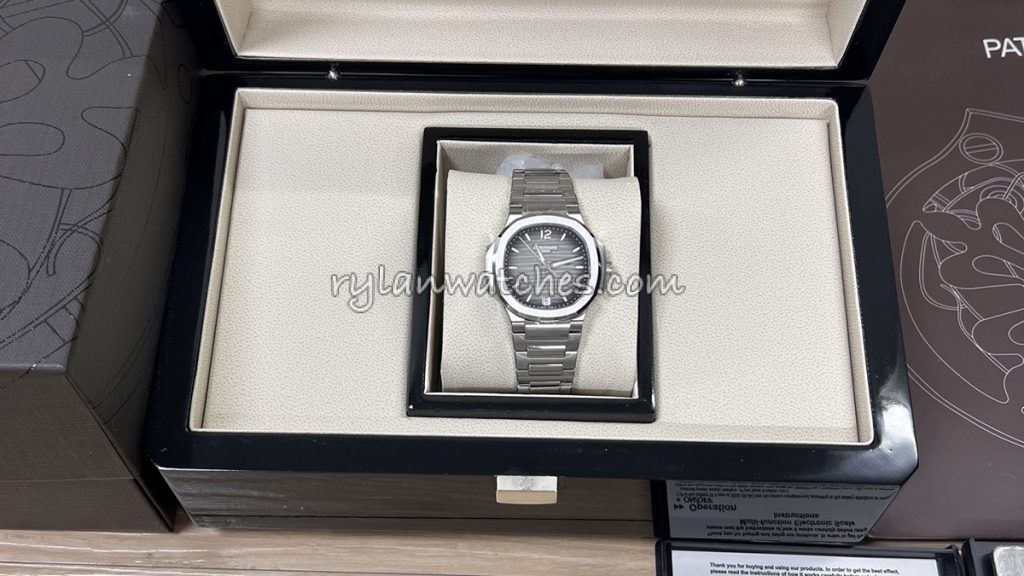
What “Trending” Actually Means in the Super Clone Market
When most people hear “trending,” they imagine hype—new releases, viral posts, and whatever looks most exciting on a screen. But in the super clone market, “trending” usually means something much more practical: repeat demand for models that deliver predictable quality under real-world conditions. For 2026, the phrase trending super clone watches 2026 shouldn’t be read as “the newest watches,” but as “the safest watches to buy right now” based on what experienced buyers are actually choosing, reordering, and recommending.
That difference matters because this market doesn’t work like genuine luxury retail. The best-performing models are rarely the ones with the flashiest specs. Instead, they’re the models that a factory can reproduce consistently—batch after batch—with stable dial printing, reliable hand alignment, clean bezel action, and movements that behave predictably after shipping and daily wear. In other words, “trending” is often shorthand for low-variance. A watch trends when the probability of receiving a good unit is high, and when QC results tend to match how the watch performs after delivery.
To understand what makes a model trend, it helps to separate three forces that drive demand in the super clone ecosystem:
- Factory maturity: Some references have been produced long enough that integration issues—hand height, date alignment, rotor clearance, case thickness, and dial seating—have been solved through repetition.
- Buyer psychology: Experienced buyers don’t “chase” novelty as often as newcomers assume. Many will pick a stable model again because the ownership experience is smoother.
- QC predictability: A model trends when it’s easy to evaluate and approve through QC. That usually means fewer hidden failure points and fewer “looks fine now, breaks later” surprises.
This is why a trend-based article should not read like a “Top 10” list built from marketing claims. In fact, the most valuable trends are often boring: iconic models that have reached a stable manufacturing groove. That’s also why movement origin alone rarely defines what trends. A Japanese movement paired with a well-integrated case can outperform a “Swiss-labeled” clone movement inside an inconsistent build. If you’re new and want a broader foundation first, the super clone buying guide can help you understand which factors matter most before you treat “trending” as a recommendation.
Trending in this space also has a time dimension. Models trend when they’ve survived multiple cycles of feedback—early batches with known flaws, later batches with refinements, and the period where the community quietly shifts from “interesting” to “dependable.” In genuine horology, trends can be influenced by brand storytelling and limited releases. In the super clone world, trends are more like engineering outcomes: what can be produced consistently, inspected reliably, and worn without constant anxiety.
So when you see “trending,” think in terms of reliability and repeatability, not excitement. Ask: has the model been stable across batches? Is QC readable? Is the factory known for process control on this reference? Those questions define real trends. Everything else—buzzwords, spec stacking, and “Swiss” labels used as persuasion—often fades quickly once buyers compare results over time.
Why 2026 Is a Turning Point for Super Clone Models
2026 is shaping up to be a turning point not because “everything suddenly gets better,” but because buyer behavior is changing. More buyers are no longer treating super clones as one-time curiosity purchases. Instead, they’re approaching them as repeat decisions: choosing stable references, rotating models, and prioritizing consistent ownership experience. That shift raises the bar for what becomes popular. The watches that win in 2026 are not the loudest—they’re the ones that reduce friction: fewer surprises after shipping, fewer alignment headaches during QC, and fewer maintenance issues after weeks of daily wear.
At the same time, factories have spent years refining a handful of high-demand icons. Many of the models that will dominate trending super clone watches 2026 are not “new.” They’re mature. They’ve been produced long enough that case geometry, dial spacing, and bracelet fit are more stable than in earlier cycles. In practical terms, that maturity shows up as small but meaningful improvements: cleaner rehaut alignment, more consistent lume application, smoother crown feel, and better tolerance matching between case components and movement installation.
There’s also a more subtle factor: QC expectations have become more standardized. Buyers now commonly request the same indicators—timegrapher readings, alignment checks, and close-ups of printing and bezel action. Sellers who run disciplined QC processes are increasingly transparent about what they check and why. This helps buyers compare models more logically and reduces the power of marketing labels. If you want to see how QC fits into the real transaction flow, our post-order process guide explains what happens from confirmation to QC approval, shipping, and after-sales handling.
Another 2026-specific shift is how “risk” is being priced. In earlier years, buyers often paid a premium for complexity—chronographs, ultra-thin cases, and heavily modified architectures—without fully understanding what those designs demand in a clone environment. Now, many experienced buyers are doing the opposite: they pay for stability, not complication. That’s one reason why classic three-hand and date models, and well-solved sport references, are likely to trend harder than fragile “spec-flex” builds.
In parallel, the content ecosystem is changing. AI summaries and search experiences reward clarity, structure, and consistent terminology. That favors educational, experience-based explanations over exaggerated claims. A trend article that explains why a model is trending—factory consistency, batch maturity, and real-world wear outcomes—will outperform shallow lists because it matches how modern search surfaces and summarizes information.
Finally, 2026 is the year to treat “trending” as a decision tool, not a scoreboard. The best way to use trends is not to chase the newest release, but to reduce uncertainty. If a model trends consistently across communities, it often means the factory integration is stable and the probability of receiving a strong unit is higher. In a market where outcomes vary by batch, that matters more than any single specification. In the next section, we’ll focus on the strongest trend signal of all: patterns—why certain model categories keep winning, and what that tells you about what to buy (and what to avoid).
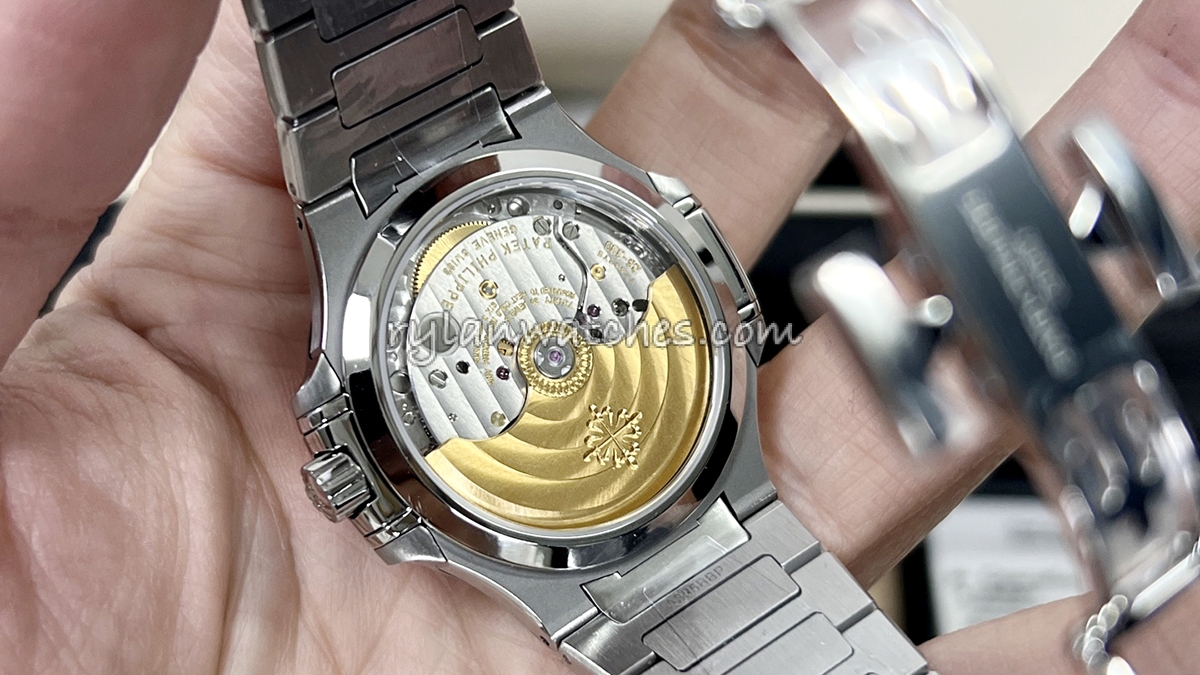
Trending Super Clone Models for 2026: Patterns, Not Hype
Instead of treating 2026 trends as a “Top 10” list, it’s more useful to understand the patterns behind what keeps winning. In the super clone market, models trend when they sit at the intersection of high demand, mature production, and predictable QC outcomes. The following categories represent the most consistent pattern drivers—meaning these are the types of watches that experienced buyers tend to select when they want stable results rather than a gamble.
1. Mature Sport Icons With Stable Integration
Sport references with long production history often trend because factories have already solved the integration details that cause problems in clone builds. Over time, recurring issues—like crown alignment, hand stack height, bezel action, and bracelet end-link fit—get refined. These watches are also easy to evaluate during QC because they don’t hide problems behind complex displays. That combination is a trend engine: repeatable builds plus readable QC.
2. Three-Hand and Date-Only Models With “Low Hidden Failure Points”
Simple does not mean basic. It often means safer. Watches with straightforward layouts allow buyers to spot misalignment, printing flaws, and date-window issues quickly. They also reduce the number of mechanical dependencies that can fail after delivery. In 2026, this category trends strongly because buyers increasingly prioritize long-term wearability over novelty. A watch that feels stable from day one tends to stay in rotation—and rotation is what drives repeat demand.
3. Models With Proven Factory Process Control
Some watches trend because the factory behind them is known for disciplined process control on that specific reference. That doesn’t mean “every unit is perfect,” but it usually means outcomes cluster closer together, with fewer extreme misses. If you want a deeper breakdown of how factories shape reliability, factory consistency is the most important lens to understand why certain models trend while others fade.
4. “Second-Purchase” Favorites
Many first-time buyers assume trends are driven by newcomers. In reality, some of the strongest trend momentum comes from experienced buyers making second and third purchases. These buyers have already learned what matters: smooth ownership experience, predictable servicing, and fewer surprises. When a model becomes a frequent “second-purchase” choice, it’s often a sign that the watch delivers real satisfaction beyond first impressions.
5. Conservative Complexity: Complications That Are Mature, Not Experimental
Not all complications are unstable. Some have matured through long production cycles and refined integration. But the difference is conservative complexity versus experimental complexity. In 2026, trends favor complications only when the architecture is well-solved and QC signals are reliable. Otherwise, complexity increases variance—and variance is the enemy of trending.
Notice what’s missing from these patterns: buzzwords. The models that trend are rarely the ones that win spec-sheet debates. They are the ones that show repeatable performance in the only place that matters: daily use after shipping. That’s why you’ll often see a “quiet consensus” form around a few model families—watches that collectors keep buying because they behave predictably, not because they generate excitement.
In the next section, we’ll get even more practical: what specifically makes these models trend while others fade. We’ll focus on concrete signals—QC readability, batch maturity, tolerance stacking, and service reality—so you can use trends as a filter for risk rather than a list to copy blindly.
What Makes These Models Trend While Others Fade
Trends in the super clone market are less about “what looks good today” and more about “what stays good after delivery.” Many models can look impressive in photos, especially under perfect lighting and selective angles. But the models that truly trend in 2026 are the ones that hold up under the unglamorous realities: shipping shock, temperature changes, daily wrist movement, imperfect winding habits, and long wear cycles. That’s why the most reliable trend signals are functional and process-driven, not aesthetic.
QC Readability: Can You Evaluate It Without Guessing?
One reason certain references trend is that they’re easy to evaluate during QC. If you can quickly confirm dial printing, hand alignment, date behavior, and bezel/crown action, you reduce the chance of approving a watch that looks fine but carries a hidden defect. “Readable QC” isn’t just convenient—it’s risk control. The more a watch hides problems behind complicated layouts, the more the buyer relies on luck.
Batch Maturity: Has the Model Been Refined Through Repetition?
Many models fade because early batches carry unresolved integration issues: incorrect dial spacing, unstable date alignment, inconsistent bezel feel, or bracelet fit problems. Mature models tend to trend because those issues have already been identified and reduced through repetition. In 2026, buyers are increasingly sensitive to “first-batch risk,” which is why stable, refined references dominate real demand patterns.
Tolerance Stacking: How Many Small Variables Can Add Up?
In clone builds, small tolerances can stack. A slight deviation in hand height, a minor case thickness mismatch, and a marginal lubrication decision can combine into friction, unstable timekeeping, or inconsistent power reserve. Models that trend tend to be those where the overall architecture is forgiving—meaning small deviations are less likely to cascade into major problems. This is also why movement choice matters most in context: the same movement can behave differently depending on how well it’s integrated.
Service Reality: Is Ownership Practical After the Honeymoon Phase?
Even a great-looking watch can fade if it becomes a maintenance headache. Models that trend in 2026 are often those with realistic service expectations: easier diagnostics, broader parts familiarity, and lower sensitivity to micro-adjustments. Buyers don’t just purchase a watch—they purchase an ownership experience. When servicing is straightforward, the watch stays in rotation and continues generating repeat demand.
Factory Discipline: Is the Build Consistent Across Units?
Ultimately, the strongest trend signal is factory discipline. A model trends when its outcomes are clustered: most units are “good enough to approve confidently,” rather than a wide spread of “some perfect, some terrible.” That’s why the idea of trending super clone watches 2026 should be understood as a pattern of consistent manufacturing results, not a popularity contest.
When models fade, it’s rarely because buyers suddenly stop liking the design. They fade because buyers get burned: inconsistent batches, hidden mechanical issues, or QC that doesn’t reflect real-world behavior. In 2026, buyers are more informed than ever—and they’re voting with repeat purchases. The winners are the models that keep delivering predictable performance even when conditions are not perfect.
Next, we’ll translate this into a simple decision framework: how to use trends intelligently whether you’re making your first purchase or choosing your next model. The goal is not to chase trends—it’s to use them to reduce uncertainty and buy with confidence.
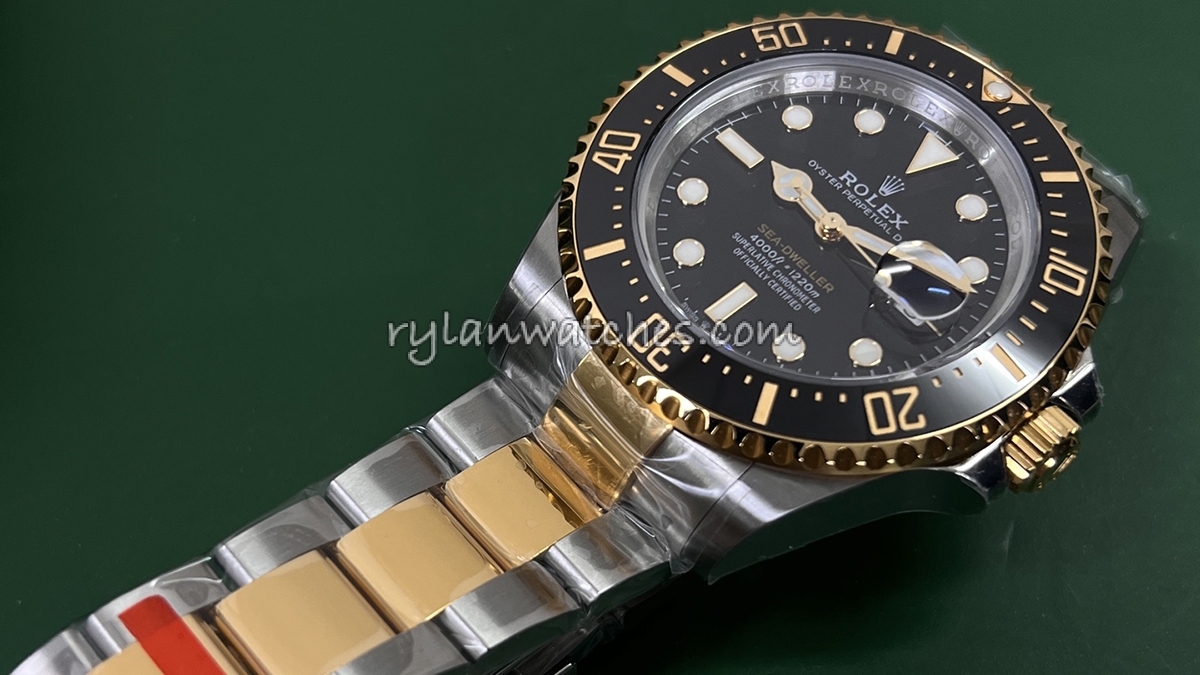
How Buyers Should Use 2026 Trends When Choosing Their First or Next Watch
Trends are useful, but only if you use them correctly. A common mistake is treating “trending” as a command: “If it’s trending, I should buy it.” A better approach is to treat trends as a risk filter. If a model is trending consistently, it often indicates three things: the factory has matured the build, QC is readable, and the ownership experience is stable enough that buyers continue recommending it. That’s exactly how you should interpret trending super clone watches 2026—as a map of where uncertainty is lower, not a list of what to chase.
If You’re a First-Time Buyer: Use Trends to Avoid Complexity Traps
Your first purchase should reduce variables. That usually means favoring models with mature production history and simpler layouts that are easier to evaluate during QC. You’re not just buying a watch—you’re learning how to judge finishing, alignment, and mechanical behavior. Starting with a model that trends because it’s stable gives you a smoother learning curve and fewer expensive surprises.
Also, don’t isolate movement choice from factory execution. If you’re still building confidence, prioritize predictable build quality and QC transparency first. If you want the clearest view into how a watch is handled from confirmation to QC approval, shipping, and after-sales support, review the post-order process guide. Understanding the process reduces anxiety, which improves decision-making.
If You’re an Experienced Buyer: Use Trends to Optimize Rotation and Value
For experienced buyers, trends can guide efficient purchases. You may already own riskier pieces or experimental builds. Trending models can serve as “anchors” in a rotation—watches you can rely on daily without worrying about hidden issues. This is also where you can selectively explore more refined movement options or slightly more complex architectures, but only when the model is mature and the factory execution is proven.
A Simple, Practical Framework
- Start with predictability: trending often signals stable batches and repeatable outcomes.
- Choose QC-readable models: you should be able to approve confidently, not guess.
- Prefer forgiving architecture: fewer hidden failure points usually means better real-world performance.
- Factor service reality: ownership is long-term, not just unboxing.
- Anchor to factory track record: the factory often matters more than labels.
Finally, remember that “trend” does not mean “perfect.” It means “more predictable.” In a market where outcomes vary by batch and assembly, predictability is a premium feature. If you want to browse your options with that mindset, exploring the current super clone collections can help you compare models while keeping your focus on stability rather than hype.
Quick takeaway: Use 2026 trends to reduce risk, not to chase novelty. For your first purchase, pick a mature, QC-readable model from a consistent factory. For your next purchase, use trends to strengthen your rotation and spend where the ownership experience truly improves.
External context: If you want a neutral, non-market perspective on why mechanical reliability often favors simpler architectures, you can explore educational horology resources like Hodinkee or technical-focused commentary at Monochrome Watches, which often explain real-world wear behavior in ways that align with how trends form in clone environments.