The most expensive super clone watch mistakes usually happen before the parcel is shipped. Buyers rely on a quality label, choose by edited photographs, skip individual QC or assume that a specification proves real-world performance. This guide identifies ten common errors and replaces each one with a practical decision rule.
The purpose is not to create fear or promise a perfect purchase. Replica watches vary by model, batch and individual piece. A good decision comes from identifying the exact watch, checking the evidence available and understanding the limits of the product and transaction.
Four Decisions That Create Most Problems
Buying a label such as “1:1” without confirming the exact model, movement and configuration.
Treating catalog photographs and seller reassurance as individual product QC.
Expecting genuine-watch certification, water testing, resale value or service support that was never stated.
Ignoring fit, movement operation, maintenance and the evidence required for warranty support.
Mistake 1: Treating “Super Clone” as a Technical Standard
“Super clone,” “1:1,” “AAA” and similar terms are commercial descriptions, not independent grades. Two watches using the same label can differ in case material, movement, crystal, bracelet construction, dimensions and finishing. The label cannot tell you whether the actual piece matches the listing.
A factory or version name is also incomplete without a date and exact reference. Production can change, sellers can use names inconsistently, and a review of one model does not prove the quality of every product attributed to the same source. Confirm that a review covers the same configuration currently offered, then use it as background information—not a substitute for the individual order evidence.
Better approach: compare measurable attributes. Record the reference-inspired model, case size and thickness, listed material, movement designation, functions, crystal, bracelet or strap, and included testing. Use the super clone vs replica comparison to understand the terminology, then return to the exact product page for the current specification.
Mistake 2: Choosing a Watch Only from Front-Facing Photographs
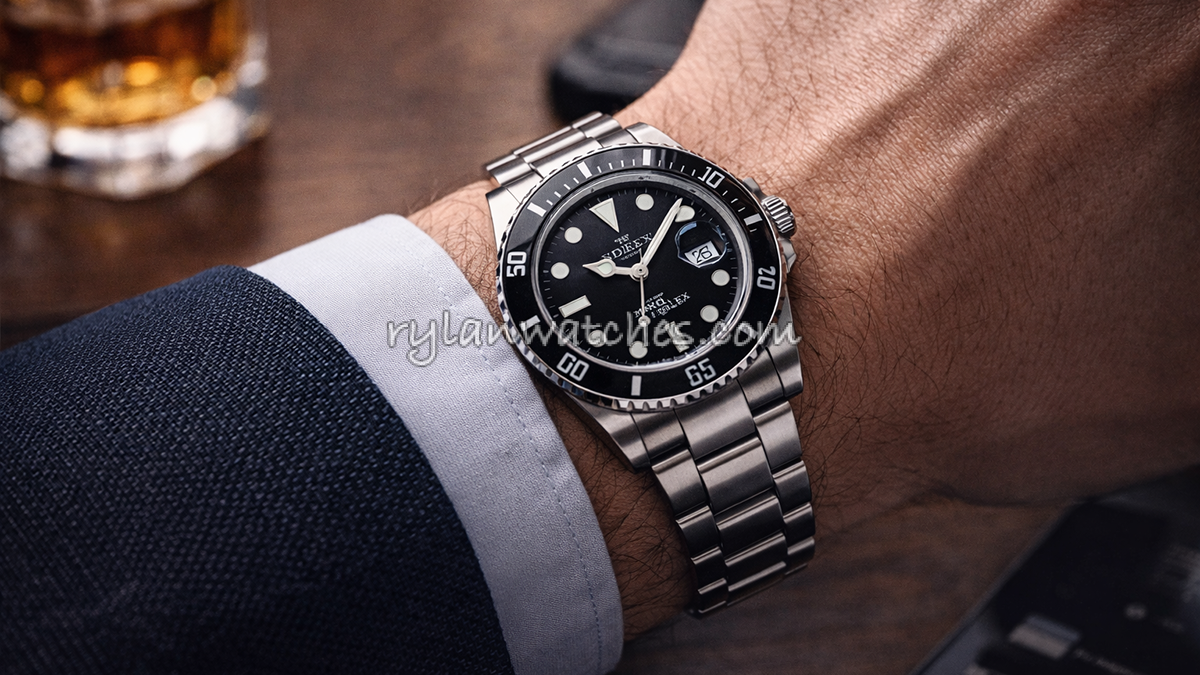
A dial can look convincing while the watch is uncomfortable. Diameter alone also fails to describe fit. Thickness, lug-to-lug length, crown or guard projection, bracelet articulation and clasp position determine how a watch sits on the wrist.
Better approach: measure a watch you already wear comfortably and compare complete dimensions. Ask for side-profile and wrist photographs when fit is uncertain. A large dive watch, integrated-bracelet sports watch and square dress watch can wear very differently even when their stated diameters are close.
Mistake 3: Assuming Written Specifications Prove Performance
A product description can identify intended materials and functions, but it does not prove the condition or performance of an individual watch. “Sapphire,” “904L,” “automatic,” “water resistant” or a named movement must be interpreted within the exact listing and supported by appropriate evidence.
Weight is not a reliable material test, and visual similarity does not confirm an alloy. A printed depth rating does not establish current water resistance. Decorative movement components may reproduce an appearance without changing the underlying architecture.
Better approach: distinguish three levels: the seller’s written specification, evidence from individual QC, and testing that requires proper equipment. Review the watch materials guide before comparing steel, ceramic-style, carbon-style or coated cases.
Mistake 4: Skipping Individual Quality Control
Catalog media can help choose a design, but it cannot reveal whether the shipped piece has a crooked marker, misaligned date, damaged clasp or wrong configuration. Even a well-reviewed version can show individual variation.
Better approach: when order-specific QC is included, match the watch to the order first. Then inspect dial and bezel alignment, date position, hands, crystal, case, crown, pushers, bracelet, clasp and visible surface condition. Confirm the operating sequence of advertised complications where evidence is available.
QC has limits. Photographs cannot prove long-term accuracy, internal lubrication or pressure resistance. Use the complete replica watch QC guide and save the approved media with the order record.
Prioritize defects by consequence. A wrong model, damaged case, non-operating function or severe alignment problem matters more than a reflection that changes dial color in one photograph. When perspective may be responsible, request one straight, well-lit image rather than rejecting the watch based on an angled shot. This keeps QC evidence-based without pretending that every tiny photographic difference is a manufacturing defect.
Mistake 5: Expecting Genuine-Watch Equivalence
A high-grade replica can reproduce design elements closely, but visual resemblance is not the same as original manufacture, certification, movement finishing, parts supply, resale value or authorized service. Expecting every detail and ownership benefit of a genuine watch creates a standard the product was not built to meet.
Better approach: decide what matters for the intended use. Some buyers prioritize dial and case appearance; others care more about a robust, serviceable movement or comfortable bracelet. Set a realistic budget for the replica itself and possible future maintenance. The article on whether super clone watches are worth the price helps separate personal value from claims of equivalence.
Mistake 6: Choosing the Most Complicated Movement Automatically
A movement that looks similar to the reference can be attractive, but more components and complications can increase operating and service complexity. A chronograph, GMT, annual-calendar-style display or skeletonized layout should be selected because the function or appearance matters—not because a complicated description sounds more prestigious.
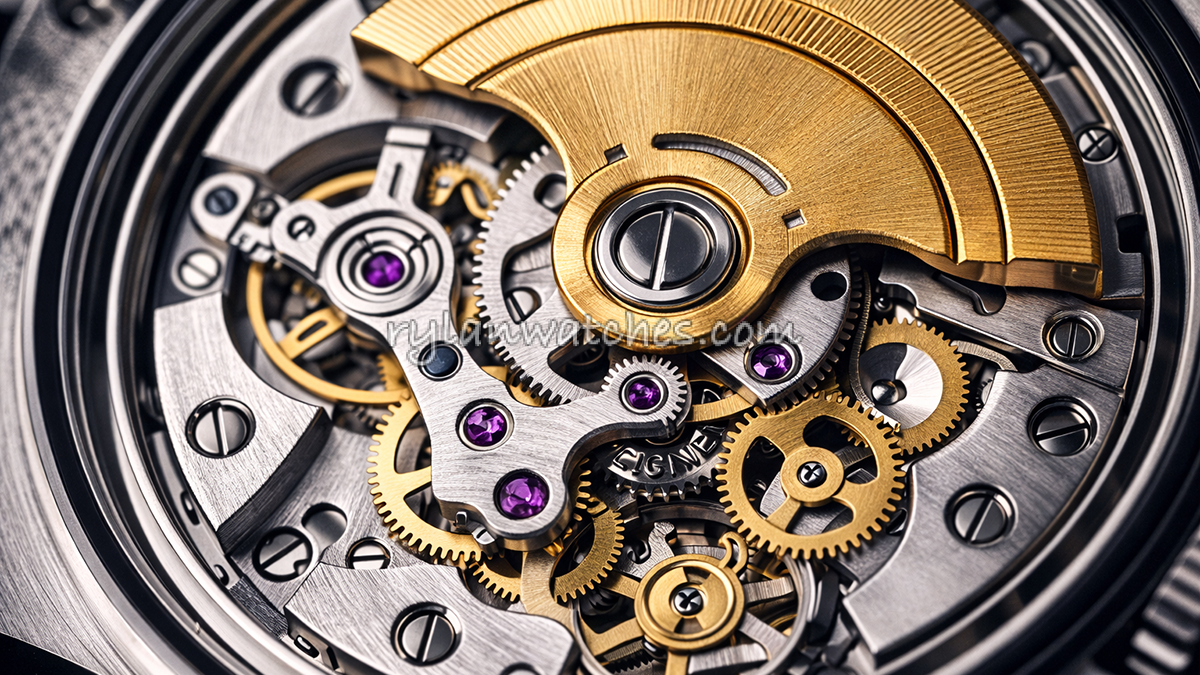
Better approach: identify the installed movement, which functions operate, the correct setting sequence and whether a competent independent watchmaker is willing to inspect or service it. Never force a crown or quick-set function when its operation is unclear. The Swiss-style vs Japanese movement comparison explains the practical ownership trade-offs without treating origin labels as guarantees.
Mistake 7: Assuming Water Resistance Without an Individual Test
Dive-watch styling, a screw-down crown and a depth marking are not proof that one finished watch can safely enter water. Gasket condition, crown seating, crystal fit, caseback closure and assembly variation all affect sealing. Steam and hot water can be particularly demanding.
Better approach: unless an appropriate current pressure test supports the intended use, treat the watch as untested. Keep it away from swimming, showers, steam and hot water. A later case opening or crown problem can change resistance, so testing is not a permanent guarantee.
Mistake 8: Ignoring the Transaction Terms
Some buyers spend days comparing dials but only minutes reading shipping, return, QC, customs and warranty conditions. This reverses the real risk. A good-looking watch does not solve an unclear payment recipient, a missing QC procedure or a warranty that provides no defined remedy.
Better approach: save the applicable terms before payment and verify the seller’s identity across the website, email, messaging account and recipient details. Understand what QC approval means, who pays return shipping, what evidence is required and which destination risks belong to the buyer.
Payment method matters as well. A card or payment provider may have conditions and exclusions; a transfer can be difficult to recall; cryptocurrency is normally irreversible. The familiar appearance of a checkout page does not guarantee recovery rights. Confirm the recipient, amount and payment status independently, and never pay a second time only because a chat message claims the first transaction failed.
Use the replica watch scam checklist, the warranty guide and the customs risk guide before treating a low price as the main decision.
Mistake 9: Modifying the Watch Before the Initial Inspection
Removing all films, resizing the bracelet, opening the case, regulating the movement or replacing components immediately can destroy useful delivery evidence and may affect the available return or warranty remedy. A buyer who discovers the wrong model after modification is in a weaker position than one who documented the sealed delivery and reported it promptly.
Better approach: record the unboxing when practical. Match the delivered watch with the order and approved QC, inspect visible condition and test normal functions gently before alteration. Read the current policy before allowing a third party to open or repair the case.
Mistake 10: Treating Maintenance as an Optional Afterthought
Mechanical watches contain moving parts, oils, seals and adjustment points. Magnetism, impact, moisture and incorrect date setting can affect performance. Wearing a problem until the watch stops can turn a small issue into a more difficult repair.
Better approach: keep the movement identification and purchase evidence. Avoid forcing controls, protect the watch from strong magnets and impacts, and address persistent timekeeping or functional changes early. Choose a repairer willing to work on the actual movement rather than assuming an authorized brand service center will accept it. The super clone watch service guide covers preparation and repair questions.
There is no responsible universal service interval for every clone movement and usage pattern. Condition, water exposure, operating symptoms and the watchmaker’s inspection matter. Keep a simple record of accuracy changes, shocks, moisture incidents and previous work; that history is more useful to a repairer than an unsupported claim about what the movement “should” need.
Super Clone Watch Mistakes: Quick Correction Table
| Risky shortcut | What can go wrong | Better decision |
|---|---|---|
| Trusting a quality label | A lower or different specification is delivered | Record exact measurable specifications |
| Choosing by dial photo | Poor fit or excessive thickness | Compare complete dimensions and side profile |
| Skipping QC | Visible defect or wrong configuration is missed | Inspect the individual piece systematically |
| Assuming water resistance | Moisture damage | Require appropriate individual testing |
| Modifying immediately | Evidence or remedy is weakened | Inspect and document before alteration |
| Ignoring serviceability | Future repair is difficult or uneconomic | Identify the movement and local repair options |
The 10-Point Ready-to-Buy Test
Before paying, you should be able to answer “yes” to each statement:
- I know the exact model, size, dial, movement, functions and strap or bracelet.
- I compared complete dimensions with a watch that fits me.
- I separated marketing labels from measurable specifications.
- I understand what individual QC will and will not prove.
- I checked how the movement and complications operate.
- I will not expose the watch to water without appropriate testing.
- I saved the shipping, return, QC and warranty terms.
- I verified the seller and payment recipient consistently.
- I will inspect and document delivery before modification.
- I have realistic expectations for maintenance and future repair.
If an important answer is missing, pause and resolve it before the payment becomes difficult to reverse. The step-by-step buying guide can fill the remaining gaps.
A “no” does not always mean the model is unsuitable. It identifies the unresolved part of the decision. A missing dimension may require a seller measurement; an uncertain function may require a demonstration; an unclear return term may require written confirmation. If the answer cannot be verified, decide whether you can accept that uncertainty rather than quietly converting it into an assumption.
A Better Purchase Comes from Better Questions
Avoiding super clone watch mistakes does not require perfection. It requires a consistent method: define the exact product, choose for fit and intended use, verify the individual piece, understand transaction terms and prepare for mechanical ownership.
Once those decisions are clear, compare the current watch collections by design, size and movement rather than by the loudest quality label. The product page should remain the source for current specifications and options.
Trademark and product notice: Replica products are independently produced and are not manufactured, authorized or endorsed by the original trademark owners. Specifications, testing, warranty and legal risks vary by product, seller and destination.